A discreet guide for South Florida full-time owners evaluating whether a safe room can be integrated into a luxury residence without compromising design, comfort, or long-term value.
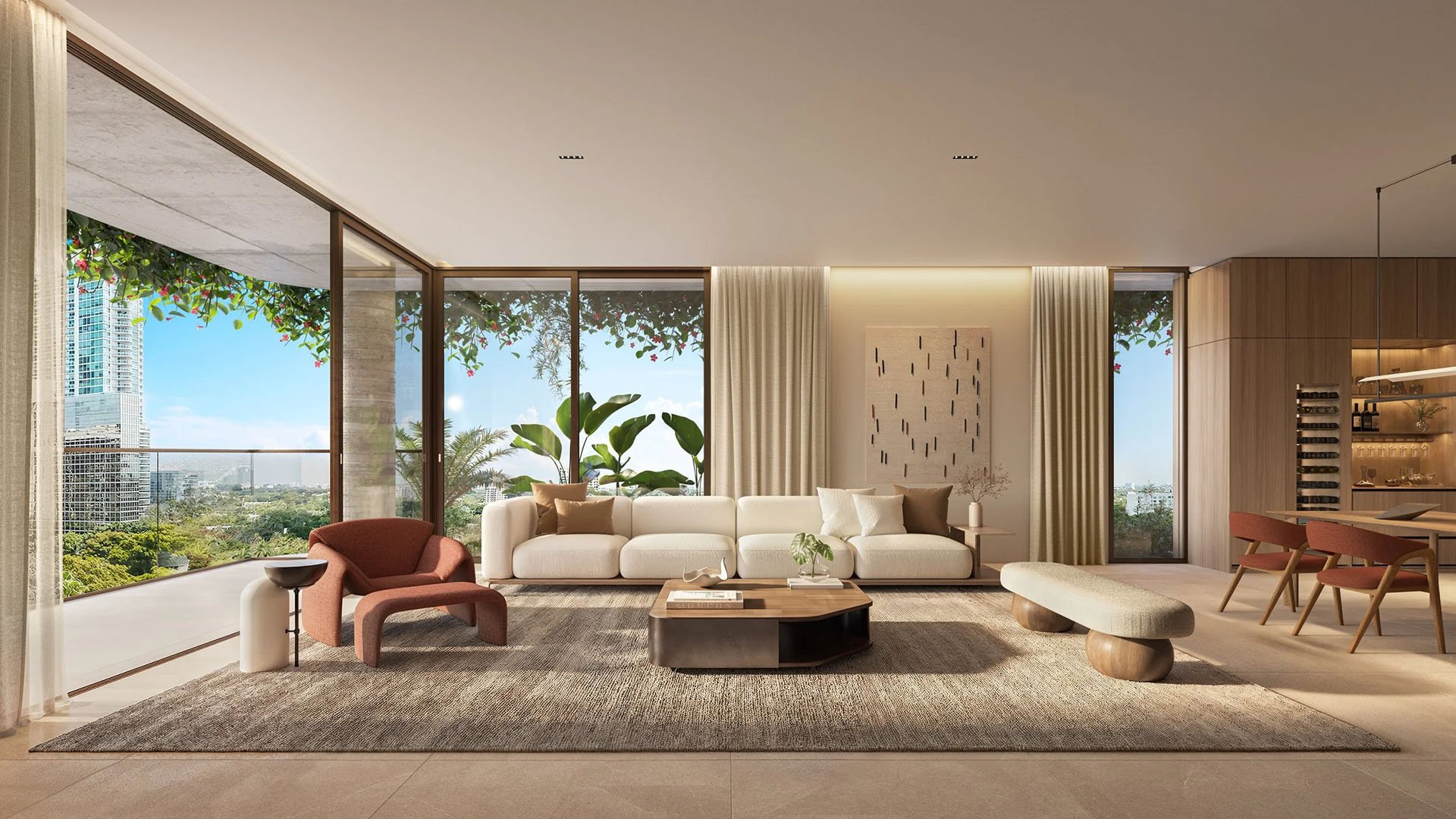
For full-time owners in South Florida, a safe room is rarely about spectacle. The strongest examples are quiet, architecturally resolved, and nearly invisible within the rhythm of the home. They do not announce anxiety. They support continuity, privacy, and composure.
Feasibility begins with a practical question: can the residence accommodate a protected space without compromising how the owner actually lives? The answer depends on structure, circulation, mechanical systems, communications, finishes, and governance. In a high-rise condominium, the issue may center on what can be modified within an existing envelope. In a waterfront estate, the conversation may broaden to perimeter strategy, service access, and how the safe room relates to bedrooms, family areas, and staff circulation.
The right approach is not to purchase a prepackaged feature and force it into the residence. It is to evaluate the home as a complete environment. A safe room must belong to the plan, not interrupt it.
The first feasibility layer is location. A room that is too remote may be difficult to reach when needed. A room that is too central may be harder to reinforce discreetly. Many owners begin by studying primary bedroom suites, interior rooms, dressing areas, offices, or service-adjacent spaces that already offer privacy and controlled access.
The second layer is structure. Reinforcement, door assemblies, wall buildup, glazing decisions, and ceiling conditions all require professional review. In a condominium, owners must be especially mindful of shared structure, common elements, fire-life-safety systems, and association approval. In a single-family home, there may be more flexibility, but feasibility still depends on the existing shell, slab, roof conditions, and any desired integration with broader security planning.
The third layer is habit. Full-time owners should ask whether the room can function in daily life. A panic-oriented space that feels sealed off, neglected, or visually awkward is less compelling than a study, wardrobe, media room, or secondary sitting area that happens to be hardened. The strongest safe-room concepts are used often enough to feel familiar.
In Brickell and other vertical neighborhoods, safe-room feasibility is often less about square footage than coordination. Elevator access, corridor location, riser placement, sprinklers, electrical routing, and acoustic impact all matter. Even a penthouse with generous dimensions may have limits if the desired modifications affect building systems or require approvals beyond the owner’s interior scope.
Owners should also consider the social nature of luxury towers. Contractors, designers, building management, security personnel, and service teams may all intersect during an alteration. Discretion becomes part of the project brief. The safest plan is often the one that requires fewer visible interventions and can be delivered within a carefully controlled construction narrative.
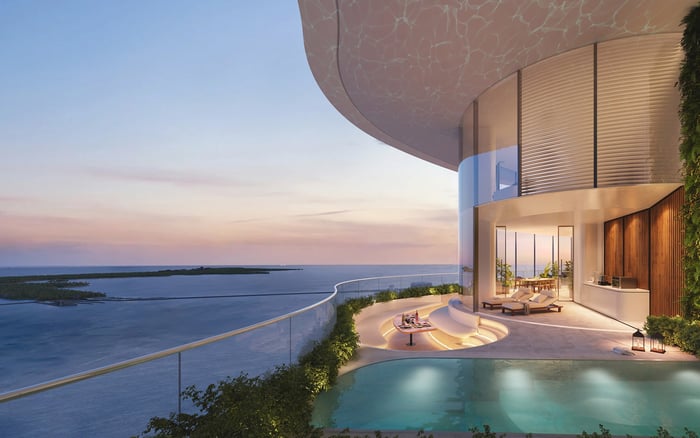
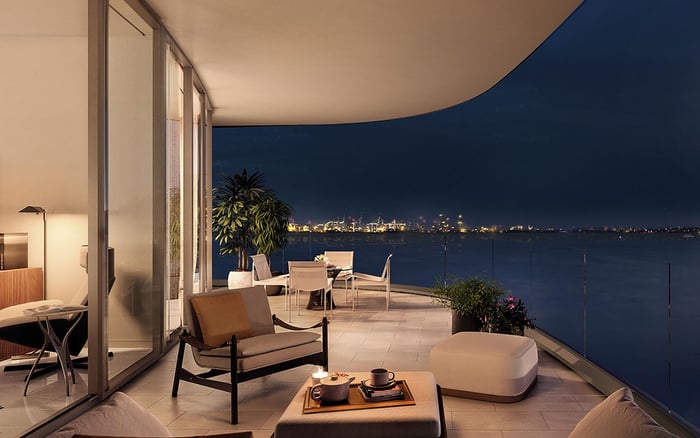
A balcony or terrace can enhance quality of life, but exterior exposure is not the same as controlled refuge. Safe-room planning usually favors interior zones with fewer openings and more predictable adjacencies. If the residence has dramatic views, the design challenge is to preserve the emotional openness of the home while creating one area of deliberate containment.
For a gated-community residence or private waterfront home, the feasibility discussion can be broader. The safe room may be one element in a layered plan that includes arrival sequence, landscape sightlines, lighting, gate protocol, guest flow, and staff procedures. The room itself is important, but it should not be asked to solve everything.
In larger homes, owners often have multiple plausible locations: a bedroom wing, a library, a wellness suite, a lower-level service area, or a discreet room near family gathering spaces. The best choice balances access, concealment, comfort, and construction practicality. A room that is convenient for the family but difficult for contractors to reinforce may require a different solution than one that appears ideal on a floor plan.
South Florida’s climate also shapes the conversation. Mechanical comfort, moisture management, backup power strategy, and material durability deserve close review. A safe room must remain usable, calm, and breathable. It should not feel like an afterthought hidden behind beautiful millwork.
A feasible safe room is not simply a hardened enclosure. Full-time owners should evaluate communications, lighting, seating, storage, power, ventilation, and the ability to remain oriented. These details determine whether the room feels composed or claustrophobic.
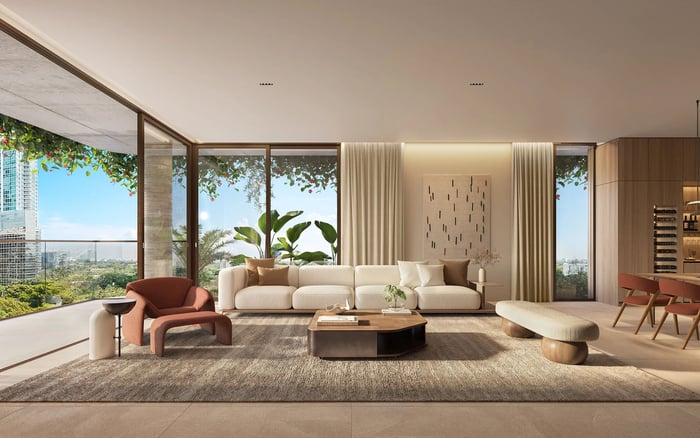
Design matters. Luxury owners are accustomed to quiet doors, exact reveals, refined hardware, balanced lighting, and materials that age well. A safe room should meet the same standard. If it sits within a wardrobe, office, or media space, the protective features should be integrated into the architecture. If it is adjacent to a pool deck or entertainment zone, the transition should remain discreet and logical.
Privacy is equally important. The fewer people who understand the full specification, the better. That does not mean excluding the necessary professionals. It means controlling information, limiting unnecessary documentation, and ensuring that every consultant involved has a clear reason to know.
Safe-room budgeting can vary widely because scope is shaped by existing conditions and desired performance. Full-time owners should resist beginning with a number borrowed from another property. A condominium retrofit, a new-build estate, and an already completed residence will each carry different constraints.
The more elegant sequence is assessment, concept, professional review, pricing, approvals, and then execution. This protects the design as well as the owner’s capital. It also avoids the common mistake of overbuilding one component while ignoring communications, daily usability, or building approval risk.
Owners considering future resale should think carefully about how the room is presented. A well-integrated protected study, wardrobe, or media room may read as a premium feature. A conspicuous bunker can feel discordant. In the upper tier of South Florida real estate, discretion often protects value better than drama.
Before committing, full-time owners should clarify who the room is for, how quickly it must be reached, how many people it should accommodate, and how it will be used on ordinary days. They should decide whether the room is part of a light retrofit, a major renovation, or a ground-up design.
They should also assemble the correct team early. At minimum, that may include an architect, structural engineer, security consultant, contractor, and, in a condominium, the appropriate building approval pathway. The objective is not to make the process complicated. It is to make the final result feel inevitable.
Safe-room feasibility is ultimately about alignment. The room must align with the building, with the owner’s routines, with the residence’s design language, and with the level of discretion expected at the top of the market.
Is a safe room realistic in a luxury condominium? It can be, but feasibility depends on building structure, systems, association approvals, and the amount of interior modification required.
Where is the best place to locate a safe room? The best location is usually accessible, discreet, and structurally practical, often near private daily-use areas rather than remote corners of the home.
Can a safe room be hidden within a normal room? Yes. Many owners prefer integrating protection into an office, dressing room, media room, or other space used in everyday life.
Does a safe room need to look fortified? No. In a luxury residence, the most compelling solutions are typically quiet, refined, and visually consistent with the surrounding interiors.
Should full-time owners plan differently than seasonal owners? Yes. Full-time owners should prioritize daily usability, comfort, maintenance access, and familiarity with the room’s function.
What professionals should be involved? Owners commonly need an architect, structural engineer, security consultant, qualified contractor, and any required building or association reviewers.
Can a safe room be added during a renovation? Renovation is often an efficient moment to study feasibility because walls, systems, finishes, and approvals are already being coordinated.
Is ventilation important? Yes. Comfort, air quality, power planning, and mechanical coordination are central to whether the room is truly usable.
Will a safe room affect resale value? A discreet, well-designed room may support value, while an obvious or poorly integrated installation can feel out of step with luxury expectations.
What is the biggest mistake owners make? The common mistake is treating the safe room as a product rather than as an architectural and operational part of the residence.
For a confidential assessment and a building-by-building shortlist, connect with MILLION.
If branded residences are on your mind — as a home or as an allocation — we would be glad to share what we are seeing, privately.
Begin a quiet conversation