South Florida’s most closely watched branded residences suggest that the next luxury threshold is not simply more amenity space, but a disciplined operating model that makes private ownership feel seamless, discreet, and consistently serviced.
South Florida’s luxury condominium market has long traded on water, light, architecture, and address. Those fundamentals still matter. Yet the newest private residential conversation is shifting toward something less visible and often more decisive: service embedded into the daily life of ownership.
The comparison between Four Seasons Residences Coconut Grove, The Ritz-Carlton Residences® Fort Lauderdale, and Waldorf Astoria Residences Downtown Miami captures a broader change in how affluent buyers evaluate value. The question is no longer simply whether a residence offers amenities. It is whether the building can operate with the precision, discretion, and consistency associated with hospitality while preserving the privacy of home.
In the South Florida vocabulary, branded residences are moving beyond the older idea of borrowed hotel privileges. The stronger model is residential from the ground up, with concierge ecosystems, staff training, lifestyle support, and repeatable owner services treated as part of the asset itself.
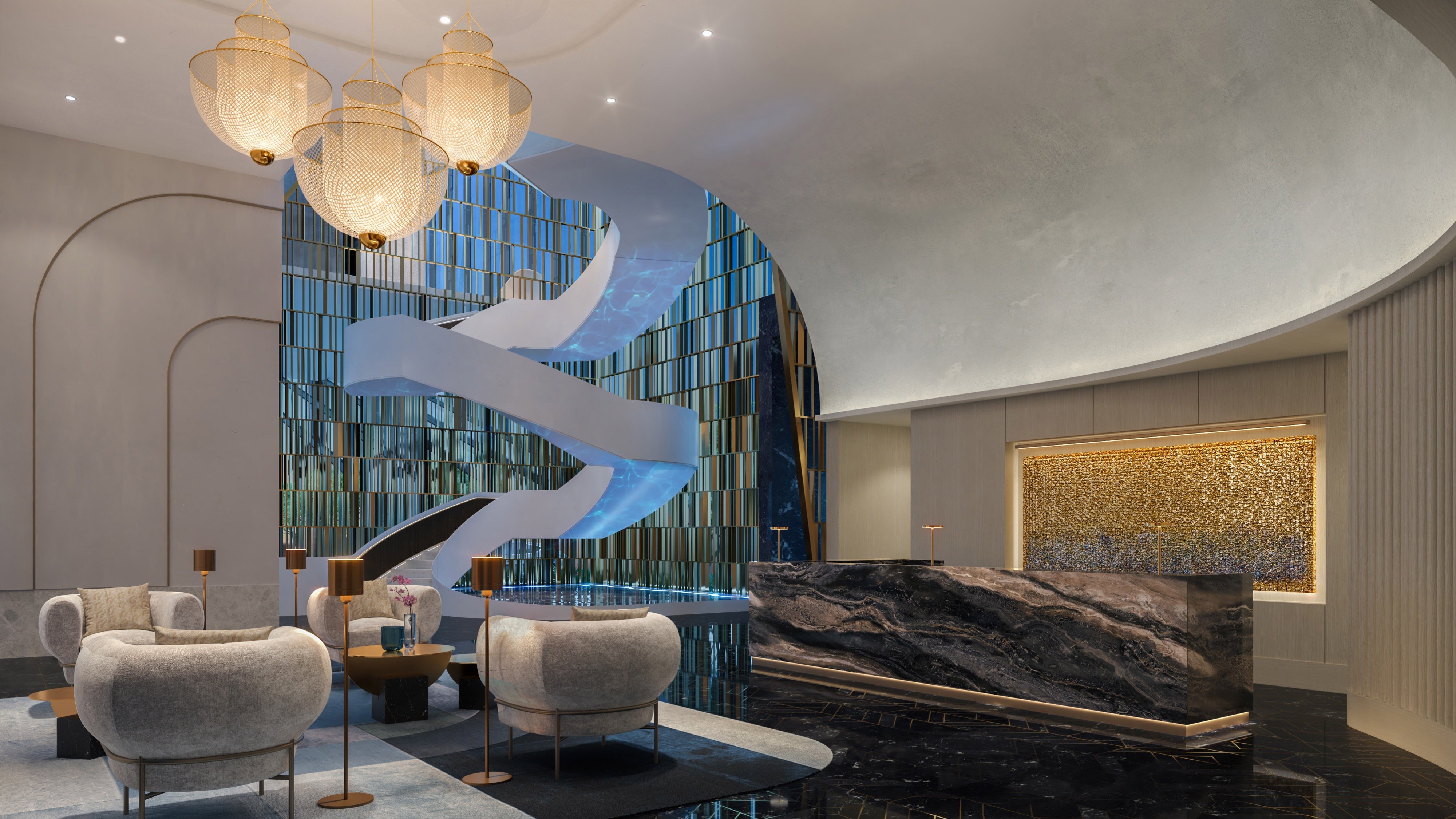
In Coconut Grove, Four Seasons Residences Coconut Grove illustrates how a hospitality standard can be adapted for long-term residents rather than transient guests. The distinction matters. Hotel service is episodic. Residential service must be personal, durable, and quiet enough to become part of the background.
For buyers drawn to Coconut Grove, the appeal is not simply a recognizable name. It is the promise of a private home that functions like a serviced sanctuary. The value proposition is emotional as much as operational: arrival feels handled, daily logistics feel lighter, and the residence becomes a place where time is protected.
This is where service becomes more than a perk. When executed well, it can support confidence in long-term ownership because the building is not relying only on finishes or views. It is relying on a managed residential experience that must perform every day.
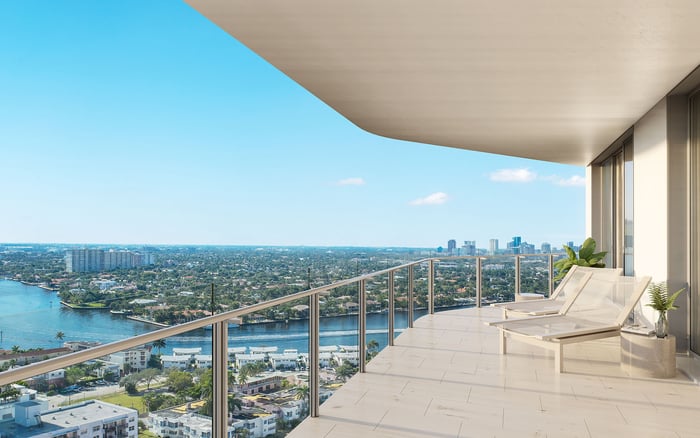
Fort Lauderdale brings a different lens. The city’s luxury waterfront market is tied to boating, beach access, privacy, and a quieter rhythm than Miami’s most urban districts. In that context, The Ritz-Carlton Residences® Fort Lauderdale helps frame the service question for coastal buyers: can branded residential living feel polished without becoming performative?
For this audience, discretion is central. A service-forward residence must avoid the atmosphere of a busy hotel lobby and instead deliver the invisible choreography of a well-run private address. The best version is not constant attention. It is readiness, memory, and restraint.
That is why Fort Lauderdale matters in the regional conversation. It shows that private residential service is not only a Downtown Miami or Coconut Grove idea. It must also translate to coastal settings where owners may expect hospitality-grade support, but with the calm and autonomy of a true residence.
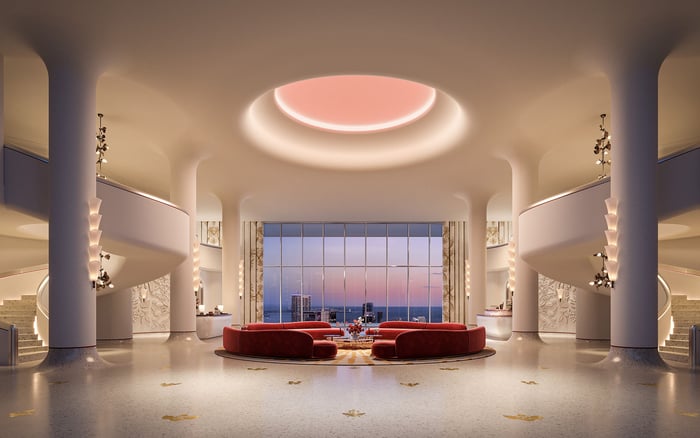
If Coconut Grove suggests sanctuary and Fort Lauderdale suggests coastal discretion, Waldorf Astoria Residences Downtown Miami represents the urban high-rise version of the same shift. Here, hospitality identity is translated into private ownership within a dense city environment.
That makes the operating model more complex. A branded tower in Downtown Miami must manage arrivals, staff protocols, resident expectations, and lifestyle support within an urban cadence. The service cannot depend on resort-style sprawl. It has to work vertically, efficiently, and consistently.
The larger lesson is that architecture alone is no longer enough to differentiate luxury inventory in Miami. Service programming is becoming as important as skyline views, design language, and neighborhood positioning. A recognized hospitality name can create attention, but the long-term test is whether the daily residential systems sustain that promise.
For South Florida buyers, the service conversation deserves the same seriousness as floor plan, exposure, and building location. A residence may market concierge service, but the real question is how deeply service is integrated into the building’s operations.
The strongest branded model depends on back-of-house planning. That includes staff culture, response protocols, privacy standards, vendor coordination, and a leadership structure capable of maintaining consistency over time. These elements are not always visible during a sales presentation, yet they can influence how a building feels years after delivery.
This also affects asset performance. In a competitive market, service can help support pricing power because it gives buyers confidence that the property is governed by a recognizable, repeatable operating standard. For primary residents, that means daily ease. For second-home owners, it means continuity when they are away. For investors, it can mean a clearer story of distinction in a crowded luxury field.
Four Seasons Residences Coconut Grove, The Ritz-Carlton Residences® Fort Lauderdale, and Waldorf Astoria Residences Downtown Miami reveal that private residential service is becoming a core pillar of luxury, not an accessory. The market is moving toward homes that are more bespoke, more brand-governed, and more operationally sophisticated.
The next generation of South Florida development will likely be judged not only by what residents can see, but by how well the building works when no one is watching. That is the quiet luxury of the branded-residence era: service as structure, privacy as design, and consistency as a form of value.
Why are branded residences so important in South Florida? They align hospitality expectations with private ownership in a market where affluent buyers increasingly value service consistency.
Is service now as important as architecture? In the upper tier, service programming is becoming a parallel measure of value alongside design, views, and location.
What does Four Seasons Residences Coconut Grove suggest about buyer demand? It points to demand for a private home that feels like a serviced sanctuary rather than a conventional condo.
How does Downtown Miami change the branded-residence model? Downtown Miami requires hospitality service to operate efficiently inside a dense vertical residential environment.
Why does Fort Lauderdale matter in this discussion? Fort Lauderdale highlights the need for discreet coastal service that supports privacy, waterfront living, and calm residential routines.
Are amenities still important? Yes, but the leading projects are increasingly judged by how amenities are supported by daily service and operations.
What should buyers ask before purchasing? Buyers should look beyond the amenity list and examine concierge depth, staffing culture, privacy protocols, and long-term management.
Can service influence resale confidence? A strong service platform can help reinforce buyer confidence because it makes the ownership experience more predictable.
Is this trend limited to Miami? No, the model is visible across South Florida, including Coconut Grove, Fort Lauderdale, and other luxury coastal markets.
What is the future of branded private residences? The most competitive buildings will likely combine architecture, privacy, and sophisticated residential operations into one coherent standard.
When you're ready to tour or underwrite the options, connect with MILLION.
If branded residences are on your mind — as a home or as an allocation — we would be glad to share what we are seeing, privately.
Begin a quiet conversation