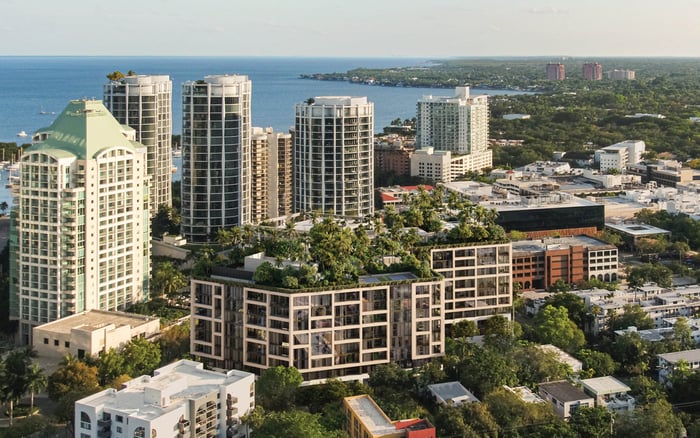
A focused buyer’s guide to comparing residential hospitality, service expectations, operating costs and ownership fit at two Coconut Grove projects.

For 2026 buyers, residential hospitality is best assessed through daily operations rather than amenity lists alone. The comparison between Four Seasons Residences Coconut Grove and The Lincoln Coconut Grove gives buyers a framework for examining how service, privacy, flexibility and ownership responsibilities may differ between projects.
The central question is not which property appears to offer more. It is which approach better fits the buyer’s expected use of a South Florida residence.
Buyers should ask who will manage the residential experience, which services are included, which are optional and how requests will be handled. They should also distinguish between hospitality language used in marketing and obligations stated in the governing documents.
A useful review covers staffing plans, access procedures, residence-management options, guest protocols and the process for resolving service issues. Any brand standards or management commitments should be confirmed through current project materials and contracts rather than assumed from a project name.
Purchase price is only one part of the ownership decision. Association budgets, service charges, reserves, insurance assumptions and optional programs can materially shape the experience of owning a luxury condominium.
Buyers should request the available budget and identify which expenses support essential building operations, which fund hospitality services and which may vary with use. They should also ask how costs could change after turnover and whether optional services are billed separately.
A primary resident may prioritize responsiveness, privacy and predictable daily operations. A seasonal owner may place greater value on arrival preparation, maintenance coordination and support while away. Buyers who expect frequent guests or changing family needs should review access rules and residence layouts with those patterns in mind.
Service is valuable when it removes recurring friction. It is less compelling when an owner pays for programs that do not match how the home will be used.
The neighborhood offers other residential concepts that can help clarify a buyer’s priorities. The Well Coconut Grove provides another point of comparison when evaluating how projects frame lifestyle and managed living.
Comparisons should remain consistent. Buyers can create a simple matrix covering management, included services, optional services, recurring costs, privacy, guest access, rental terms, pet rules and anticipated delivery provisions.
All project representations should be checked against current offering documents, budgets, contracts and written policies. Buyers should obtain appropriate legal and financial advice regarding deposits, cancellation rights, developer protections, delivery terms and post-closing obligations.
Plans and commercial terms can change. A disciplined review should separate confirmed contractual commitments from renderings, preliminary descriptions and sales discussions.
The most useful takeaway is that residential hospitality is an operating choice, not simply a design theme. Buyers comparing Four Seasons Residences Coconut Grove and The Lincoln Coconut Grove should decide how much service they want, how much autonomy they prefer and which recurring obligations fit their ownership plans.
A strong decision will connect the promised lifestyle to the documents and costs that govern it. That approach allows buyers to evaluate each Coconut Grove opportunity on practical fit rather than branding or amenity volume alone.
What does residential hospitality mean for a condominium buyer? It refers to the service and operating experience surrounding ownership. Buyers should verify exactly which elements are contractually included.
Why compare Four Seasons Residences Coconut Grove and The Lincoln Coconut Grove? Comparing them can help buyers define their preferred balance of service, privacy, flexibility and owner responsibility.
What should buyers examine first? Start with current offering documents, the proposed operating structure, available budgets and written service descriptions.
How should recurring costs be evaluated? Identify what each charge covers, which services are optional and how expenses may change after turnover.
Should buyers rely on a project’s brand or marketing language? No. Brand expectations and marketing descriptions should be tested against enforceable documents and current written terms.
What matters most for a second-home buyer? Relevant considerations may include access procedures, maintenance coordination, residence-management options and support while the owner is away.
Which rules deserve close review? Buyers should examine guest access, pets, rentals, alterations and any restrictions affecting their intended use.
How can buyers compare amenities fairly? Focus on availability, operating hours, access conditions, staffing and recurring cost rather than the number of listed amenities.
What should buyers verify if a purchase involves preconstruction? Review deposit terms, delivery provisions, change rights, cancellation language and the distinction between proposed and committed features.
What is the best next step before choosing a project? Build a side-by-side ownership matrix and review current documents with qualified legal and financial advisers.
When you're ready to tour or underwrite the options, connect with MILLION.
If branded residences are on your mind — as a home or as an allocation — we would be glad to share what we are seeing, privately.
Begin a quiet conversation