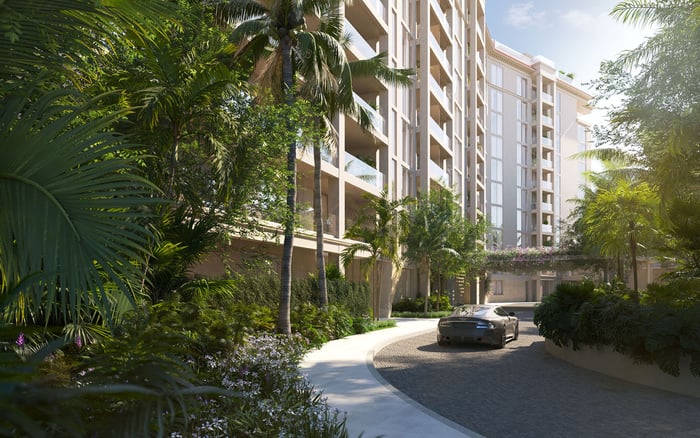
A disciplined Fisher Island offer begins with building-specific structural, reserve, budget, and assessment diligence, not a review of the residence alone.

On Fisher Island, the residence itself is only one dimension of an acquisition. Buyers must also understand the condition, funding position, and inspection cycle of the specific condominium building in which the unit is located. Those factors can materially affect carrying costs, financing, insurance review, negotiating leverage, and offer timing.
This is especially important in a community where buildings vary in age, scale, and association structure. A buyer comparing a resale opportunity with newer options such as The Residences at Six Fisher Island should avoid assumptions about the island as a whole. Every relevant document must correspond to the exact building and association responsible for the residence under consideration.
For a waterfront acquisition of this caliber, diligence should be both technical and financial. The current SIRS, milestone-inspection package, reserve balances, budget, recent financial statements, board minutes, repair contracts, and assessment records all belong in the core review file.
A Structural Integrity Reserve Study, commonly called a SIRS, is required for qualifying Florida condominium and cooperative buildings with three or more habitable stories. Buyers should verify the legal status of the specific building based on its number of habitable stories, rather than inferred height or architectural form.
That distinction matters throughout Fisher Island, including when evaluating residences at Palazzo del Sol. A multi-building association may also present different conditions by structure, so an association-level response is insufficient unless counsel confirms that the records apply to the building containing the unit.
Because statutory deadlines, funding rules, and local procedures can change, a Florida condominium attorney should confirm current requirements before contingency and deposit deadlines expire.
A SIRS estimates the remaining useful life and replacement cost of specified building components, allowing the association to plan reserve funding. Covered components include the roof, load-bearing structure, fire protection, plumbing, electrical systems, waterproofing, windows, and exterior doors.
Request the complete, current study-not a summary. Identify every component with a short remaining useful life, substantial deferred maintenance, or a large unfunded replacement cost. Then compare the recommended reserve contributions directly with actual reserve balances and the adopted budget.
The central investment question is not simply whether a SIRS exists, but whether the association’s funding plan realistically addresses the work identified. Ask whether structural reserves are fully funded and, if not, whether the likely response is higher regular assessments, association borrowing, or a special assessment.
A buyer considering Palazzo della Luna, or any other island condominium, should also ask when the next SIRS update is due. An approaching cycle may reveal new work or funding requirements soon after closing.
A milestone inspection and a SIRS answer different questions. The milestone process evaluates structural condition and safety; the SIRS addresses anticipated component work and the reserves required to fund it.
The initial milestone inspection is generally due when a qualifying building reaches 30 years, with a possible 25-year threshold for coastal buildings, followed by inspections every 10 years. It must be conducted by a Florida-licensed architect or engineer.
Phase 1 is a visual examination of habitable and non-habitable areas and major structural components for evidence of substantial structural deterioration. If Phase 1 identifies signs of such deterioration, Phase 2 is required. Any Phase 2 report therefore warrants especially close legal and engineering review.
Obtain the entire package: Phase 1, any Phase 2 report, supplemental engineering letters, repair plans, and the association’s response. Determine whether each finding has been resolved and whether the related work is completed, contracted, funded, proposed, or merely under board discussion.
If an association must complete a milestone inspection on or before December 31, 2026, the SIRS may be performed at the same time. Buyers should still review each function separately.
The latest budget should include reserve-contribution line items that can be compared with the most recent SIRS recommendations. Recent financial statements can then help counsel and financial advisers determine whether adopted contributions are actually flowing into reserves.
Special-assessment history provides essential context. It can show whether prior structural work or reserve shortfalls resulted in volatile ownership costs. Request details of every pending or approved assessment, including the total project cost, the unit’s allocated share, the payment schedule, and any seller balance remaining at closing.
Board minutes and repair contracts can reveal timing differences that a budget alone cannot. A project may be discussed but not approved, approved but not contracted, or contracted without complete funding. These distinctions merit attention whether the residence is a conventional condominium or part of a broader lifestyle consideration that includes The Links Estates at Fisher Island.
This buyer’s guide framework is not a substitute for specialist advice. It organizes the questions so that engineering condition, legal responsibility, association liquidity, and the unit’s potential share of costs can be evaluated together.
SIRS findings, milestone reports, and reserve shortfalls can expose owners to substantial shared costs. The offer should therefore allow sufficient time for legal, engineering, financial, lending, and insurance review before contingencies lapse or deposits become nonrefundable.
A sophisticated offer can also address responsibility for an approved or pending assessment, any unpaid seller balance, and access to association records. On Fisher Island, discretion and speed remain valuable, but neither should compress the review period beyond what the building file requires.
What is a SIRS? It is a structural and financial assessment that estimates the useful life and replacement cost of specified building components and informs reserve planning.
Is a SIRS the same as a milestone inspection? No. A milestone inspection evaluates structural condition and safety, while a SIRS connects anticipated component work with reserve funding.
Which buildings may be subject to SIRS requirements? Qualifying Florida condominium and cooperative buildings with three or more habitable stories are covered, subject to current legal requirements.
What should buyers compare with the SIRS? Compare its recommended contributions and replacement costs with reserve balances, the adopted budget, and recent financial statements.
Why is a Phase 2 milestone report important? Phase 2 is required when Phase 1 identifies signs of substantial structural deterioration, making its findings central to technical diligence.
What belongs in the complete milestone package? Request Phase 1, any Phase 2 report, supplemental engineering letters, repair plans, and the association’s documented response.
How should unresolved repairs be classified? Determine whether each item is completed, contracted, funded, proposed, or still under board discussion.
What special-assessment details should a buyer request? Ask for the total project cost, the unit’s allocated share, the payment schedule, approval status, and any remaining seller balance.
Why do future inspection dates matter? An approaching milestone inspection or SIRS update may identify new work and funding needs soon after the purchase closes.
Who should review the diligence file? The review may require a Florida condominium attorney, engineer, financial adviser, lender, and insurance professional working within the offer timeline.
If you'd like a private walkthrough and a curated shortlist, connect with MILLION.
If branded residences are on your mind — as a home or as an allocation — we would be glad to share what we are seeing, privately.
Begin a quiet conversation