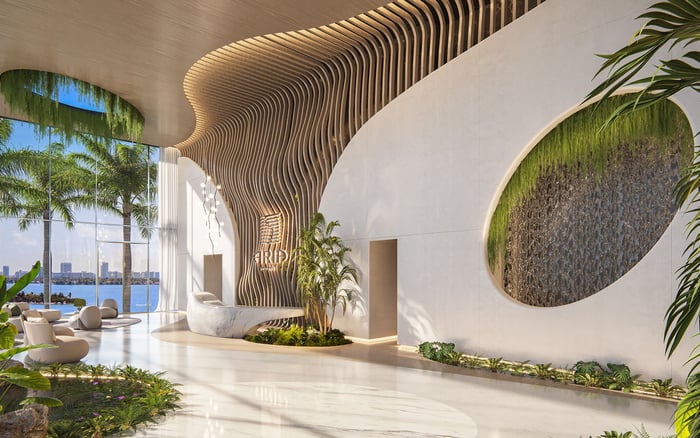
For cash buyers bringing a meaningful art collection to Midtown Miami, the key due-diligence questions extend beyond wall dimensions. Light exposure, environmental stability, enclosure quality, mechanical systems, monitoring, and outage planning should be evaluated at the unit level before closing.
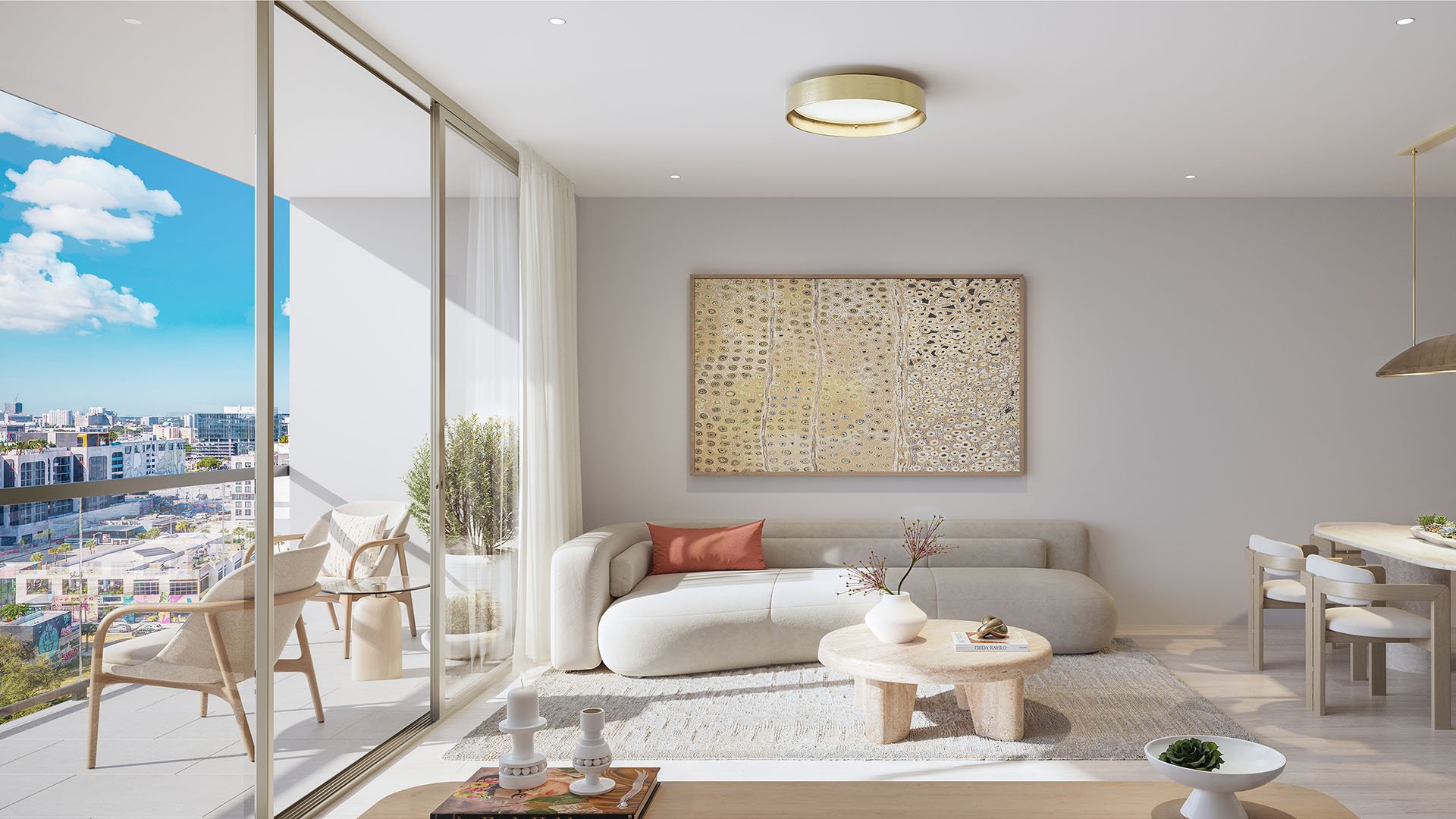
A cash buyer should not treat financing certainty as a substitute for art-specific property diligence. Before closing on a Midtown Miami residence, evaluate how the exact unit would support the collection’s display, storage, security, monitoring, and maintenance needs.
Begin with an inventory organized by material, sensitivity, dimensions, framing, mounting requirements, and intended location. A qualified conservator can help establish collection-specific parameters, while lighting and mechanical specialists can assess whether the proposed rooms and systems can support them.
Buyers comparing Midtown options with Miami Tropic Residences should apply the same review to each specific residence rather than relying on branding, renderings, or common-area presentation.
Map where direct and reflected daylight reaches proposed display walls and storage areas at different times. Review glazing, shades, films, window orientation, skylights, and any controls that affect exposure.
Do not assume that every work can occupy the same type of space. Ask a conservator to match proposed locations to the materials in the collection and identify works that need more restrictive display or storage conditions.
When considering residences such as Kempinski Residences Miami Design District, assess luminous living areas separately from enclosed collection spaces. Document which rooms are intended for display, handling, packing, photography, and storage.
Request a lighting review that records fixture type, placement, controls, and measured conditions at the artwork rather than relying on fixture labels alone. The plan should address both intensity and duration for each display or storage zone.
Confirm whether lights can be controlled independently, dimmed, scheduled, or switched off while a room is unoccupied. Review whether fixture placement creates concentrated exposure, glare, heat near objects, or shadows that complicate inspection and handling.
The appropriate lighting plan should be set for the actual collection. Keep the resulting specifications with the art inventory so that future fixture changes or interior renovations can be reviewed against the same criteria.
Ask qualified specialists to evaluate the residence’s temperature and humidity behavior against targets established for the collection. The review should cover ordinary occupancy, extended absence, equipment servicing, and interruption scenarios.
Request available equipment schedules, control sequences, sensor locations, maintenance records, and environmental trend data. Determine whether the proposed art room has dedicated conditioning or shares systems with spaces that have different operating demands.
For an art-oriented comparison that includes Frida Kahlo Wynwood Residences, keep the analysis unit-specific. Confirm what can be measured, monitored, maintained, and documented in the residence under consideration.
Review the proposed storage room as a complete enclosure. Have the appropriate professionals inspect walls, doors, windows, ceilings, penetrations, adjacent rooms, and the pathways used to move art into and through the residence.
Establish who receives alerts, who can access the unit when the owner is away, and what actions are authorized if conditions move outside the collection’s approved parameters. Also review equipment maintenance, sensor calibration, condensate management, and any proposed backup arrangements with the relevant specialists and building representatives.
When comparing Midtown with EDITION Edgewater, use the same written checklist for each unit. This makes differences in room configuration, controls, documentation, access, and modification requirements easier to identify.
Before the inspection period ends, assemble the collection inventory, proposed placement plan, light measurements, environmental targets, equipment information, monitoring protocol, maintenance responsibilities, and emergency contacts. Record unresolved questions and assign responsibility for obtaining written answers.
Review proposed mounting, electrical, shading, storage, and mechanical work with qualified advisers and the parties responsible for approving alterations. The closing decision should reflect both the residence’s present condition and the feasibility of any work required for the collection.
Does a cash purchase eliminate art-specific due diligence? No. Buyers should still evaluate the residence’s lighting, environmental systems, storage configuration, monitoring, access, and maintenance plan.
Who should help define conditions for a collection? Engage a qualified conservator to establish collection-specific parameters, then use appropriate lighting and mechanical specialists to evaluate the residence.
Should every artwork follow the same display plan? No. Organize the review by material, sensitivity, dimensions, mounting requirements, and intended location.
What should a daylight review cover? Review direct and reflected daylight, glazing, shades, films, window orientation, skylights, and the controls available in each proposed zone.
What should buyers request for electric lighting? Request fixture details, control information, placement plans, and measurements taken at the proposed artwork locations.
How should climate control be evaluated? Compare measured temperature and humidity behavior with collection-specific targets established through qualified conservation guidance.
What monitoring information matters during an absence? Confirm sensor locations, alert recipients, access authority, response steps, maintenance responsibilities, and the availability of trend records.
Why inspect the proposed storage-room enclosure? The review should identify how walls, doors, windows, ceilings, penetrations, adjacent rooms, and art-movement paths affect the proposed plan.
What belongs in an art-specific closing file? Include the inventory, placement plan, measurements, environmental targets, equipment details, monitoring protocol, maintenance assignments, emergency contacts, and unresolved questions.
What is the best way to shortlist comparable options for touring? Start with location fit, delivery status, and daily lifestyle priorities, then compare stacks and elevations to validate views and privacy.
To compare the best-fit options with clarity, connect with MILLION.
If branded residences are on your mind — as a home or as an allocation — we would be glad to share what we are seeing, privately.
Begin a quiet conversation