A disciplined framework for evaluating wellness amenities, healthcare access, operating obligations, and long-term usability before an all-cash Miami purchase.
An all-cash purchase can simplify financing, strengthen negotiating posture, and give a buyer greater control over timing. It should not compress the investigation of the residence, its building systems, or the surrounding care network. In the Miami Design District, where architecture and hospitality command attention, the more consequential questions are often operational: What is available every day? Who manages it? What does it cost? How reliably does it support the owner’s routine?
This is especially important when wellness and medical proximity influence the purchase. Neither should remain an abstract selling point. A cash buyer should translate each into a personal use case, then verify it through documents, physical inspection, and direct questions to the appropriate professionals.
For buyers approaching the area through buyer’s guides, the central principle is simple: speed at contract should never become speed through diligence.
“Wellness” can describe markedly different experiences. One buyer may prioritize quiet, daylight, outdoor space, and sleep. Another may focus on private training, recovery, spa rituals, or convenient appointments. A third may need an environment that supports aging in place or a second-home routine with minimal setup.
Begin with a written hierarchy. Divide desired features into essential, frequently used, and optional. Then determine whether each feature is private, shared, reservable, staffed, complimentary, or separately charged. Confirm operating hours, guest rules, age restrictions, reservation limits, cancellation policies, and whether outside practitioners may enter or use designated spaces.
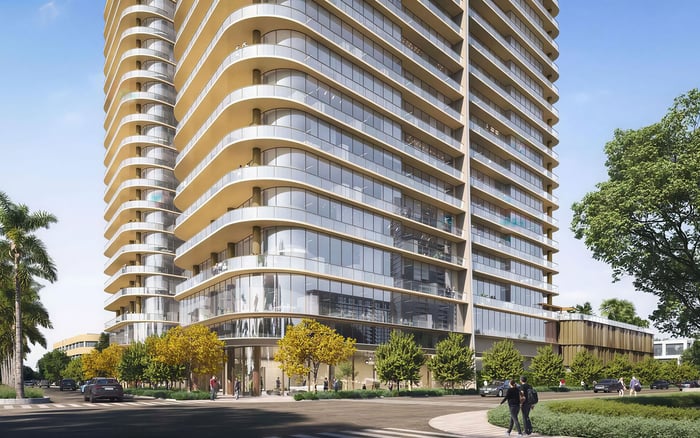
The same framework can guide an initial review of Kempinski Residences Miami Design District and Miami Tropic Residences. Project materials are starting points for questions, not substitutes for current governing documents, specifications, and written disclosures.
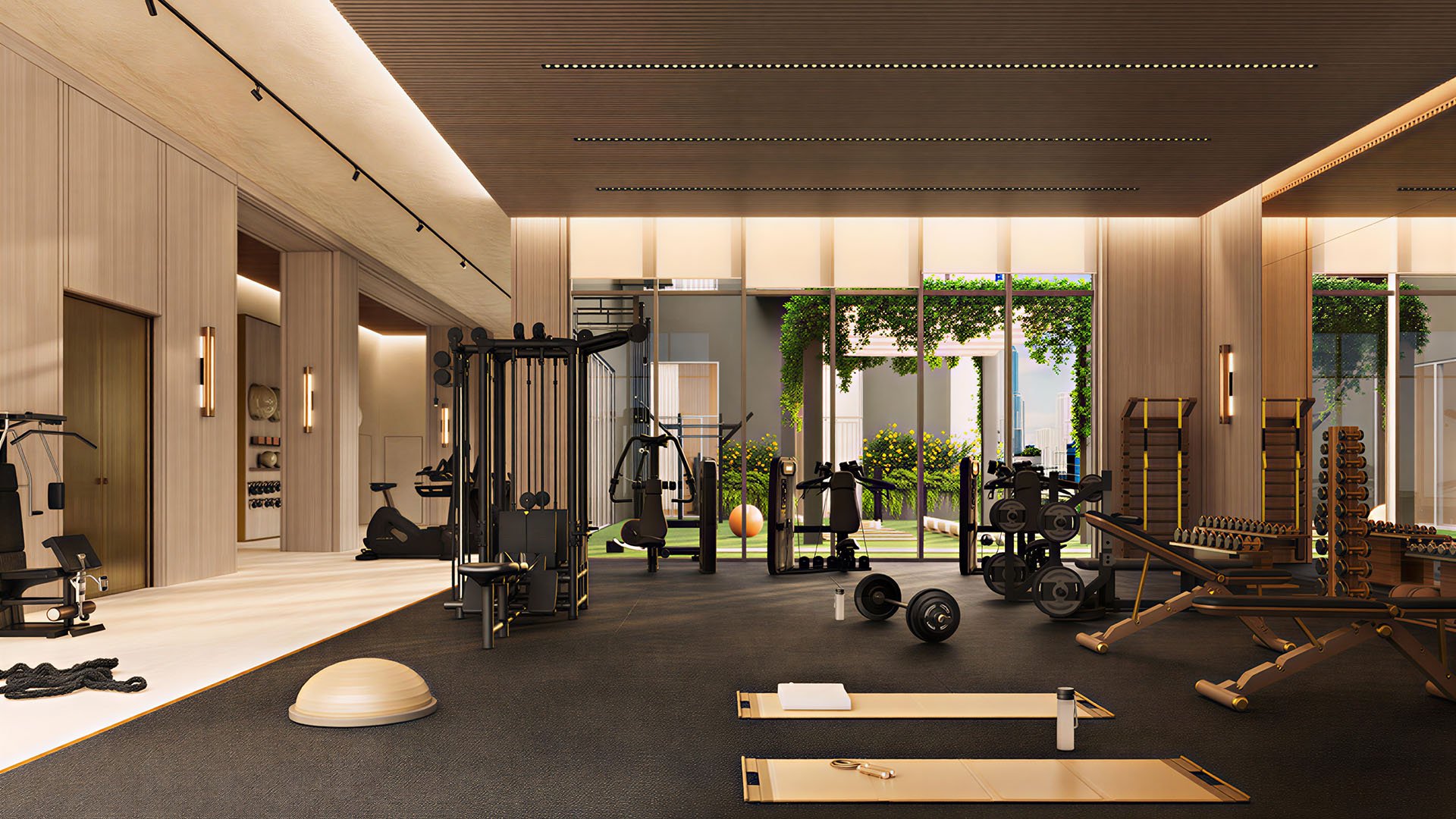
A serene rendering does not reveal how an amenity will perform at peak demand. Examine capacity, circulation, privacy, acoustics, ventilation, cleaning protocols, equipment replacement, and the route from the residence to the space. A beautiful room that is difficult to reserve or uncomfortable to reach may offer little practical value.
For a completed property, visit during the hours when you expect to use it. Observe noise, occupancy, temperature, lighting, and staff presence. For new construction, request the latest plans and written descriptions, then identify which elements are contractual, which may change, and which depend on third-party operators.
A useful comparison can include wellness-forward positioning beyond the immediate neighborhood. House of Wellness Brickell and The Well Coconut Grove may help buyers refine the questions they bring back to a Design District search. The objective is not to choose one label over another, but to distinguish a coherent lifestyle proposition from a collection of attractive spaces.
A nearby medical address represents only one aspect of access. The relevant measure is the complete journey from the residence to the specific care a household expects to use. That journey may include elevator time, vehicle retrieval, traffic variability, parking, building access, and the availability of a driver or companion.
Test likely routes at realistic times rather than relying on a single estimated journey. Distinguish routine care from urgent needs, specialist visits, rehabilitation, pharmacy access, and services that may come to the residence. Buyers who divide their time among multiple homes should also consider how records, prescriptions, follow-up appointments, and local support would be coordinated.
Medical proximity is personal. The appropriate destination for one household may be irrelevant to another. Discuss care requirements with qualified medical professionals, and ask legal counsel how privacy, access, and authorization should be handled for family members, staff, or representatives.
Cash removes a lender’s underwriting layer, not the building’s financial obligations. With qualified advisers, review the association budget, reserves, insurance, pending work, assessments, litigation, service contracts, and projected amenity operating costs. Determine who bears the expense when specialized equipment reaches the end of its useful life or when a branded service changes.
Rules matter equally. Confirm policies governing personal trainers, therapists, nurses, household employees, deliveries, pets, guests, and extended absences. If a wellness routine depends on a particular practitioner or device, obtain written clarity on access, storage, power, noise, installation, and insurance requirements before closing.
Broader comparisons may also be useful. A buyer considering Brickell, the Design District, and Miami Beach can use The Ritz-Carlton Residences® Miami Beach to frame questions about service style, privacy, and the relationship between the residence and shared facilities-without assuming that one operating model suits every household.
Create a single file containing the purchase contract, amendments, current plans, specifications, association documents, insurance information, inspection findings, written amenity policies, and a schedule of recurring expenses. Keep verbal representations separate unless and until an authorized party confirms them in writing.
Then score each property across five categories: residence quality, wellness utility, care access, operating confidence, and long-term adaptability. Weight each category according to the household’s actual priorities. The strongest choice is not necessarily the property with the longest amenity menu. It is the residence whose private spaces, shared services, rules, costs, and location work together with the least friction.
Does an all-cash offer reduce the need for due diligence? No. It changes the financing structure, but the buyer should still investigate the property, association, insurance, rules, condition, and contractual obligations.
What should a buyer verify about a wellness amenity? Verify its scope, location, capacity, hours, staffing, reservation system, guest rules, fees, maintenance plan, and status within the governing documents.
Is a branded wellness concept enough to support value? Branding alone is no substitute for useful design, consistent operations, sound finances, and amenities that suit the owner’s routine.
How should medical proximity be evaluated? Test the complete route to the specific care relevant to the household, including building exit time, transportation, traffic, parking, and arrival logistics.
Should buyers rely on estimated drive times? Treat them only as an initial reference. Test routes when appointments or urgent trips are most likely to occur.
Why do amenity rules matter before closing? Rules determine whether guests, trainers, caregivers, therapists, and household staff can access spaces as the owner expects.
What deserves extra attention in a pre-construction purchase? Focus on contractual documents, change rights, final specifications, operating assumptions, projected costs, and the distinction between renderings and binding commitments.
How can a buyer assess long-term amenity quality? Review reserves, maintenance responsibilities, service contracts, replacement planning, and the building’s process for funding future work.
What should a part-time owner prioritize? Prioritize dependable arrival, residence oversight, access permissions, service coordination, security, and straightforward reactivation of the home after an absence.
When should professional advisers become involved? Involve legal, inspection, tax, insurance, and medical professionals early enough for their findings to shape contract terms and the final decision.
For a confidential assessment and a building-by-building shortlist, connect with MILLION.
If branded residences are on your mind — as a home or as an allocation — we would be glad to share what we are seeing, privately.
Begin a quiet conversation