For a Paris-based buyer, the choice between cash and portfolio financing is less about a universal preference than about liquidity, timing, currency exposure, and the intended life of the property. A disciplined comparison should begin before an offer is written and continue through closing.
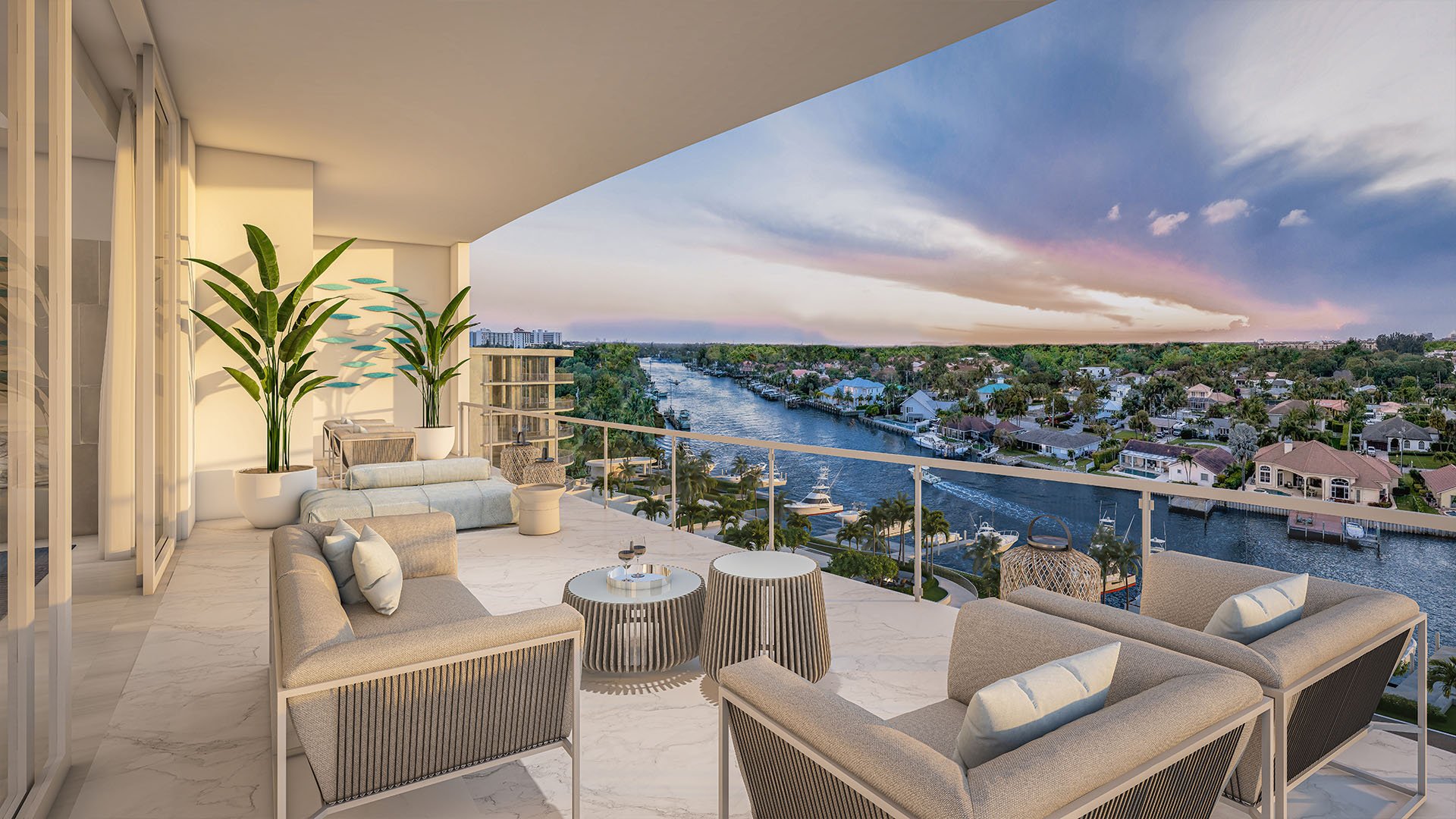
For a Paris-based buyer, choosing between cash and portfolio financing for a Palm Beach Gardens residence is not simply a question of affordability. It is a capital-allocation decision shaped by liquidity, execution, currency, ownership structure, and the intended hold period.
Cash can create a direct path from contract to closing, but it also concentrates more capital in a single asset. Portfolio financing can preserve investable liquidity, yet it introduces underwriting, collateral requirements, and another institution into the transaction. Neither route is inherently superior. The appropriate choice is the one that remains coherent after the purchase-not merely on signing day.
This Buyer's Guides perspective is especially relevant when evaluating a Second-home or an Investment whose carrying plan must work across borders. Buyers considering The Ritz-Carlton Residences® Palm Beach Gardens can use the property decision as the starting point, then test how each funding route affects flexibility beyond closing.
A cash strategy removes financing approval from the acquisition timeline. This can simplify the buyer’s internal process by focusing the principal questions on proof of funds, transfer logistics, due diligence, and closing readiness.
The trade-off is concentration. Capital committed to the residence is no longer immediately available for other opportunities, reserves, renovation, furnishing, or unexpected obligations. A disciplined cash plan therefore distinguishes between the purchase price and the full post-closing liquidity requirement.
Cash buyers should not treat speed as a substitute for diligence. Inspection, title review, insurance planning, association document review where applicable, and professional advice remain central. The advantage of cash is control over funding mechanics-not permission to compress every other decision.
For buyers comparing Palm Beach Gardens with the broader Palm Beach market, Palm Beach Residences offers a useful geographic counterpoint. The funding method should follow the selected property and personal strategy rather than dictate location prematurely.
Portfolio financing generally involves borrowing against eligible financial assets rather than relying solely on conventional property underwriting. Its strategic appeal lies in preserving liquidity: a buyer may be able to complete the acquisition while keeping more capital invested or available for other priorities.
That flexibility comes with conditions. Collateral values can change, borrowing costs can move, and lender requirements can affect timing. The buyer must understand which assets support the facility, what circumstances could trigger additional collateral needs, and how repayment would work if markets or personal plans changed.
The critical comparison is not simply cash versus debt. It is the expected role of the retained portfolio weighed against the cost, risk, and operational demands of borrowing. That analysis should include a less favorable scenario, not only the preferred outlook.
A residence such as Forté on Flagler West Palm Beach may belong to a different lifestyle and capital conversation than a Palm Beach Gardens purchase. West Palm Beach comparisons can clarify whether preserved liquidity is intended for diversification, future property needs, or simply optionality.
The residence’s intended use should shape the funding decision. A long-hold personal home may justify a different liquidity profile from a property that could be sold as family needs evolve. A Waterfront setting may also call for a more detailed reserve plan for ownership costs, even when the acquisition itself is fully funded.
Buyers should prepare two written capital maps. The cash version should show the full amount leaving the portfolio, remaining liquid reserves, currency-conversion timing, and post-closing commitments. The financed version should show collateral, borrowing-cost assumptions, repayment sources, lender milestones, and the effect of adverse market movements.
Both comparisons should use the same property, closing date, and ownership assumptions. Otherwise, the apparent winner may reflect inconsistent inputs rather than a stronger strategy. When exploring alternatives such as Mandarin Oriental Residences, West Palm Beach, buyers should rerun both maps rather than carry over conclusions from another residence.
Paris buyers should align the funding decision with their legal, tax, banking, and estate-planning advisers before entering a binding timetable. The objective is not to let structure delay the search, but to ensure the offer reflects a plan that can close.
Currency deserves its own line in the decision model. If assets, income, and future obligations are denominated in different currencies, the purchase method can alter when conversion occurs and how much flexibility remains afterward. Buyers should obtain advice tailored to their circumstances rather than assume that a favorable purchase structure in one jurisdiction will produce the same result in another.
Operational preparation matters as well. Funds-transfer procedures, document execution, lender review, and closing coordination should be mapped in advance, particularly if the buyer expects to travel. A clear division of responsibility among advisers can reduce duplication and prevent late changes.
A practical choice can be tested against five questions: How much liquidity remains? What could delay closing? What happens if financial markets weaken? How will the facility be repaid? Does the structure still suit the buyer’s estate and family plans?
Cash often favors simplicity and independence from lender conditions. Portfolio financing often favors liquidity and optionality. The better strategy is the one whose risks are understood, whose timeline is credible, and whose post-closing position is intentional.
Is cash always more attractive to a seller? Not necessarily. Terms, timing, contingencies, and confidence in execution can all shape how an offer is viewed.
Does a cash purchase eliminate due diligence? No. Property, title, insurance, association, and contractual reviews remain important regardless of funding.
What is the principal appeal of portfolio financing? It may preserve liquidity by using eligible financial assets within a borrowing arrangement.
What is the central risk of portfolio financing? Changes in collateral values, borrowing costs, or lender requirements can alter the original plan.
Should currency be evaluated separately from financing? It should be modeled alongside financing because conversion timing can affect liquidity and execution.
Can a buyer switch from financing to cash before closing? That depends on the contract, available funds, lender process, and professional guidance.
How much liquidity should remain after a cash closing? The amount is personal and should reflect carrying costs, improvements, reserves, and wider obligations.
Does intended use affect the decision? Yes. A personal residence, Second-home, or Investment can require a different liquidity and exit plan.
When should advisers become involved? Ideally before an offer, so ownership, funding, tax, estate, and closing considerations can be coordinated.
What is the best final test? Compare both routes under a delayed closing and a less favorable financial scenario.
If you'd like a private walkthrough and a curated shortlist, connect with MILLION.
If branded residences are on your mind — as a home or as an allocation — we would be glad to share what we are seeing, privately.
Begin a quiet conversation