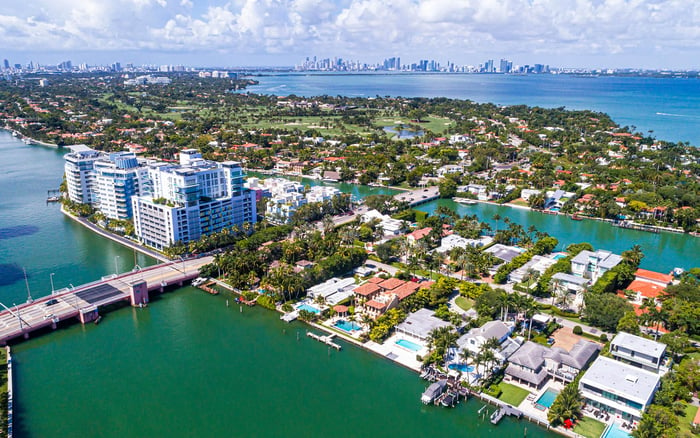
A disciplined due-diligence framework for evaluating wind coverage, flood exposure, deductibles, and condominium insurance documents before a Miami Beach cash closing.
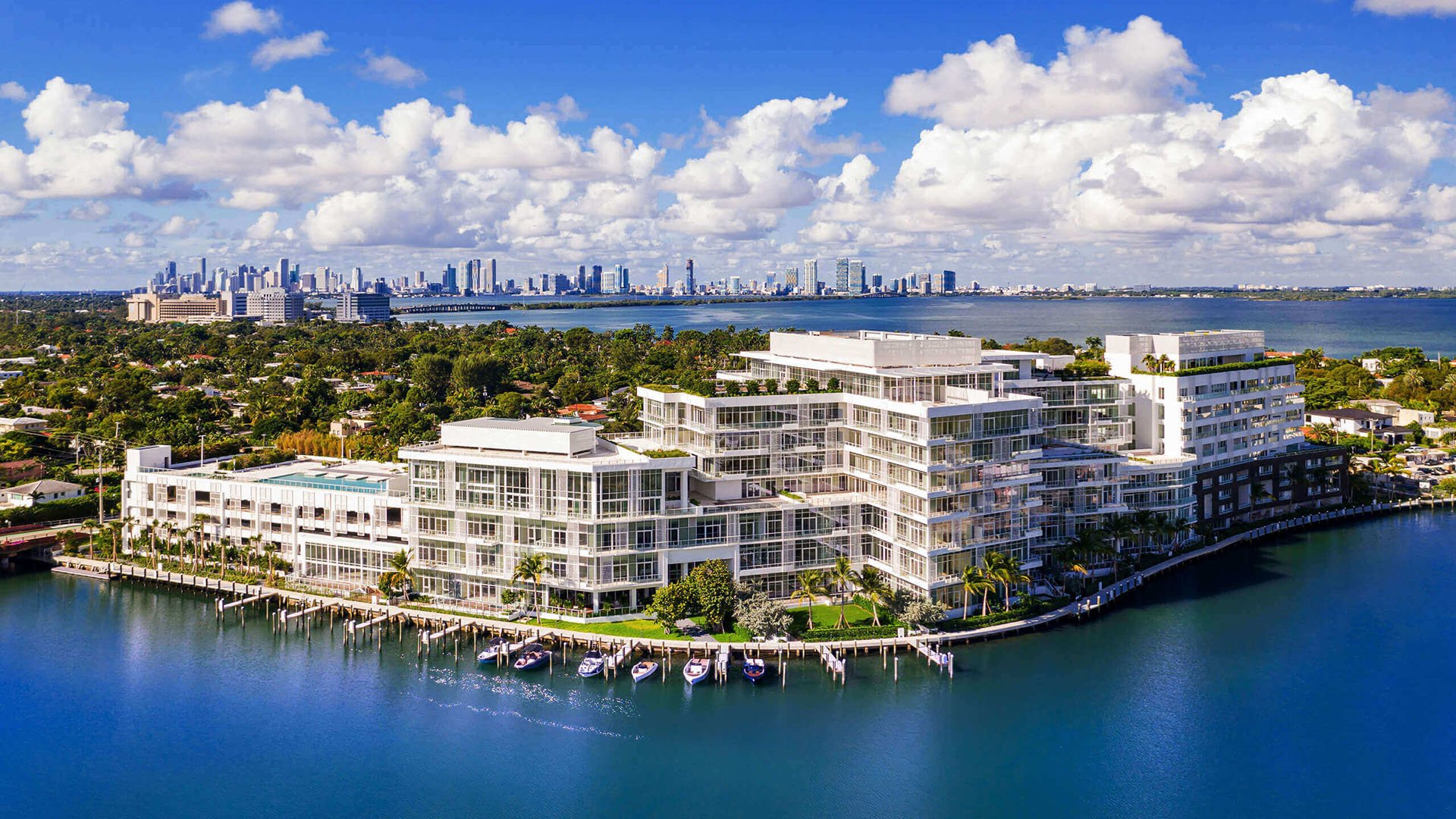
A cash acquisition can streamline a Miami Beach transaction, but it does not eliminate wind, water, or building-level risk. Without a lender imposing insurance conditions, the buyer must set the standard for diligence. That requires more than securing a premium indication shortly before closing.
The more meaningful objective is to understand how the residence, the building, and the buyer’s tolerance for retained risk align. This entry in MILLION’s Buyer's Guides treats insurance as part of asset selection, alongside privacy, design, service, and long-term stewardship.
For a Waterfront or Oceanfront residence, the inquiry should begin early enough to inform negotiations. A cash buyer can choose to accept, transfer, or reduce risk, but that choice should be deliberate and documented.
Structure the review around three connected files: the property, the insurance, and the ownership structure.
The property file should include available elevation or flood information for the specific parcel or condominium, the condition of openings and exterior elements, prior improvements, and any documentation relevant to resilience. A prestigious address or recent renovation should not be treated as a proxy for safety.
The insurance file should place proposed unit coverage alongside the condominium association’s coverage. Ask the insurance adviser to identify what each policy is intended to cover, what it excludes, which deductibles may apply, and which documents remain outstanding. Obtain the actual forms and endorsements available for review rather than relying solely on a premium summary.
The ownership file should reflect the intended use. A primary home, Second-home, and Investment property can present different practical considerations involving occupancy, personal contents, renovations, staff access, and periods of vacancy. Those details belong in the underwriting conversation before coverage is bound.
A flood-zone designation is an important screening input, not a complete property narrative. Buyers should confirm that the information under review corresponds to the correct property and ask qualified advisers how it relates to the residence, parking, storage, mechanical areas, and access.
In a condominium, the private unit represents only one part of the exposure. A buyer considering The Perigon Miami Beach or 57 Ocean Miami Beach should follow the same principle that applies to any Miami Beach building: separate unit-level questions from association-level questions, and never substitute a general location description for a property-specific review.
Flooding should also be distinguished from wind-driven damage in discussions with advisers. Similar weather events can raise different questions under different documents. Precise terminology helps prevent assumptions about what a policy is intended to address.
The headline premium is only one component of insurance economics. A deductible defines the amount of loss a buyer may retain before applicable coverage responds, subject to the policy’s terms. Request a plain-language schedule of each relevant deductible, together with an example of how it could apply to the contemplated residence.
For a condominium, determine whether an event could create both unit-level costs and association-level consequences. Review the governing documents and current insurance materials with counsel and an insurance professional to understand how responsibilities may be allocated. Never assume that an association policy eliminates the need for personal coverage or liquidity.
A sophisticated buyer can then reserve capital accordingly. The central question is not whether a deductible appears large or small in isolation, but whether the retained exposure remains acceptable when combined with interior finishes, collections, temporary accommodation, and possible building assessments.
Insurance comparisons are meaningful only when the inputs are comparable. Request proposals with aligned limits, deductibles, occupancy assumptions, and coverage objectives. A lower premium may reflect a different structure rather than a better outcome.
This discipline matters when comparing distinct Miami Beach propositions such as Shore Club Private Collections Miami Beach and The Ritz-Carlton Residences® Miami Beach. A project link may begin the property search, but current documents for the specific residence and association should guide insurance diligence.
Create a one-page matrix for each candidate. Include proposed coverage, principal exclusions, deductibles, association coverage reviewed, open underwriting conditions, and estimated cash reserves. For an Investment analysis, keep insurance assumptions visible rather than subsuming them within a broad operating-cost figure.
Before the inspection period or other contractual review window expires, assign responsibility among counsel, the insurance adviser, the property inspector, and the condominium-document reviewer. Each professional should understand the intended ownership structure, occupancy, renovation plans, and closing timetable.
Before funds are released, confirm that the buyer has received the final coverage documents expected for closing, understands any unresolved conditions, and has a plan for uninsured or self-insured exposure. Cash provides negotiating flexibility. Used strategically, it also creates an opportunity for a more exacting review.
Does a cash buyer need to consider insurance? Yes. Without lender requirements, the coverage and risk decisions remain with the buyer.
Is a flood zone enough to evaluate flood exposure? No. It is an initial input that should be considered alongside property-specific information reviewed with qualified advisers.
Should a condominium buyer review the association’s policy? Yes. Compare the association materials with the proposed unit policy and identify potential gaps or overlaps.
Are wind and flood coverage interchangeable? No. Discuss them separately, and ask the insurance adviser to explain how each proposed policy addresses the relevant causes of loss.
Why do deductibles matter to an all-cash buyer? They help define the loss the owner may retain and the liquidity that should remain available.
Can two similar residences carry different insurance terms? Yes. Proposed terms can depend on property-specific and ownership-specific details, making a tailored review essential for each candidate.
When should insurance diligence begin? Begin during property evaluation, early enough for the findings to inform negotiations and the closing decision.
What should be included in a building comparison? Compare aligned coverage assumptions, deductibles, exclusions, association materials, and unresolved underwriting items.
Should planned renovations be disclosed? Discuss renovation plans with counsel, the insurance adviser, and the association before closing or beginning work.
Who should participate in the final review? The team may include counsel, an insurance professional, an inspector, and a condominium-document specialist suited to the transaction.
For a confidential assessment and a building-by-building shortlist, connect with MILLION.
If branded residences are on your mind — as a home or as an allocation — we would be glad to share what we are seeing, privately.
Begin a quiet conversation