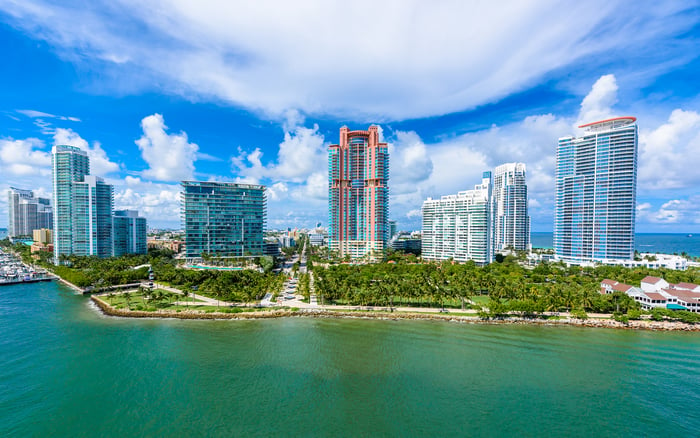
For cash buyers, arrival design deserves the same scrutiny as views and finishes. Private elevator language, resident circulation, valet choreography, and service access should all be tested before a Miami Beach purchase becomes unconditional.
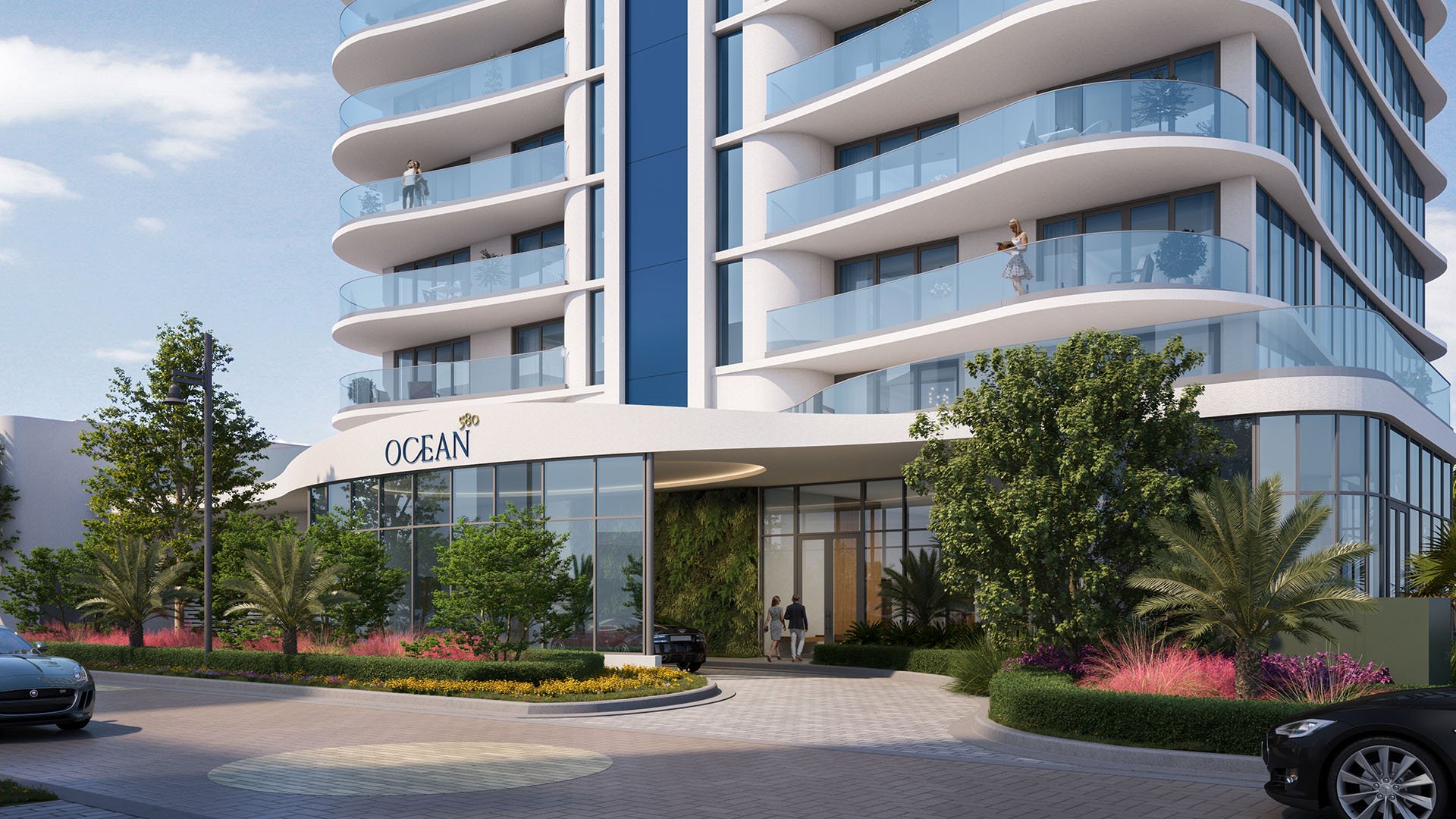
A cash purchase can simplify financing, but it does not simplify the building. In Miami Beach, two operational details deserve particular scrutiny before an offer becomes unconditional: what “private elevator access” actually means and how the valet performs when the property is busy.
Both shape privacy, convenience, and the tenor of daily life. They also sit at the intersection of design, architecture, and building operations. A beautiful lobby cannot compensate for an awkward curbside handoff, just as an impressive elevator door cannot reveal who else can enter the car, where service personnel circulate, or how guests reach the residence.
The essential principle is simple: evaluate the complete journey, not merely the interior.
“Private elevator” is not a sufficiently precise diligence term. Buyers should determine whether the elevator car is dedicated to one residence, shared among a limited number of homes, or simply opens into a private vestibule. These are materially different arrangements.
Request the relevant plans and written building information, then compare them with an in-person demonstration. Determine how access credentials work, whether guests require authorization, and what happens during a move, delivery, maintenance visit, or emergency. The inquiry should also encompass any door, corridor, or service route connecting the vestibule to common areas.
Pay equal attention to the moment the elevator opens. Is there a lockable foyer? Can another elevator user reach it? Does the residence door sit beyond a shared landing? Privacy should be understood as a sequence of controlled thresholds, not a marketing phrase.
For context, buyers may compare the arrival experience across Miami Beach candidates such as The Perigon Miami Beach and The Ritz-Carlton Residences® Miami Beach, while independently verifying the current configuration and rules for any specific residence.
Valet quality is not merely a matter of courtesy. It is a circulation system encompassing residents, guests, deliveries, ride-share vehicles, service providers, and staff. The most revealing question is not how the porte cochère looks when empty, but how movement is managed when several arrivals overlap.
During a tour, follow the entire route. Note where residents relinquish their vehicles, where passengers wait, how keys or digital requests are handled, and whether retrieved cars obstruct incoming traffic. Ask how guest arrivals are identified, where large vehicles pause, and whether deliveries use the same approach.
Cash buyers should also examine contingency procedures. What is the retrieval process if technology is unavailable? How are keys secured? What options exist when valet demand rises? Confirm the answers through current documents and direct observation rather than assumption.
This matters especially for a waterfront lifestyle, where residents may move repeatedly between home, beach, dining, and social commitments. A polished arrival should feel discreet even when the building is active. Shore Club Private Collections Miami Beach and Five Park Miami Beach can be included in a broader comparison, with each property’s current procedures evaluated on their own terms.
A quiet weekday appointment offers only a partial picture. If access permits, visit near a busier arrival period and again during a calmer interval. Observe queuing, staff communication, pedestrian separation, guest handling, and the transition from vehicle to elevator.
Bring real-life scenarios to the inspection. Consider an airport departure with luggage, a dinner involving several cars, a household employee arriving independently, or a delivery requiring service access. Buyers of high-floor residences should also ask what happens when an elevator is reserved, under maintenance, or serving a move.
The goal is not to find a building without friction. It is to understand where friction appears, how consistently the staff resolves it, and whether the operating model suits the household.
Without a lender imposing its own timetable, a cash buyer controls more of the diligence process and should use that flexibility carefully. The contract should allow appropriate time for counsel and advisers to review condominium materials, access arrangements, parking or valet terms, house rules, and any provisions governing elevators, guests, deliveries, and service circulation.
For resale opportunities, compare current practice with governing documents and inquire about known operational changes. For new construction, distinguish between illustrative material and obligations contained in executed documents. In either case, request written clarification when a feature materially influences the decision.
Parking rights and valet service should not be treated as interchangeable concepts. Establish what, if anything, is assigned, limited, separately controlled, or subject to rules and charges. Apply the same discipline to elevator access: identify the legal or operational basis for exclusivity rather than relying on the impression created during a presentation.
Before closing, repeat the arrival sequence from curb to residence. Test credentials, guest authorization, elevator call procedures, foyer access, and the route for luggage. Confirm whom the household should contact when assistance is needed, and retain the current instructions.
The most refined Miami Beach purchase is not defined by a single amenity. It is defined by how architecture, staffing, rules, and circulation work together every day.
Does paying cash remove the need for condominium due diligence? No. Cash changes the financing structure, not the need to review access, parking, valet, and building rules.
Does private elevator access always mean a dedicated elevator car? No. It may describe a private landing or restricted opening, so the exact configuration should be verified.
What should a buyer test during an elevator demonstration? Test resident credentials, guest authorization, foyer security, call procedures, and any alternate or service route.
Why visit the valet during a busy period? Peak activity reveals queuing, communication, vehicle staging, pedestrian conflicts, and the consistency of the staff response.
Should valet procedures be confirmed in writing? Yes. Written clarification is prudent when vehicle access or retrieval materially affects the purchase decision.
What should buyers ask about guest arrivals? Ask how guests are identified, where they wait, who authorizes elevator access, and how multiple cars are handled.
Do deliveries normally follow the resident elevator route? Procedures vary. Confirm the designated entrance, elevator, scheduling requirements, and authorization process for each building.
What happens if an elevator is unavailable? Ask about alternate access, maintenance protocols, communication, and how privacy is preserved during the interruption.
Is a private foyer automatically part of the residence? Not necessarily. Review the governing documents and plans to understand its status, control, and maintenance responsibility.
What should be repeated at the final walk-through? Recheck the entire curb-to-residence journey, including valet handoff, credentials, elevator operation, and foyer access.
For a confidential assessment and a building-by-building shortlist, connect with MILLION.
If branded residences are on your mind — as a home or as an allocation — we would be glad to share what we are seeing, privately.
Begin a quiet conversation