Cash can simplify a luxury condominium purchase, but it cannot neutralize sponsor, construction, contract, amenity, or association risk. Key Biscayne buyers should underwrite the parties and documents behind the presentation.
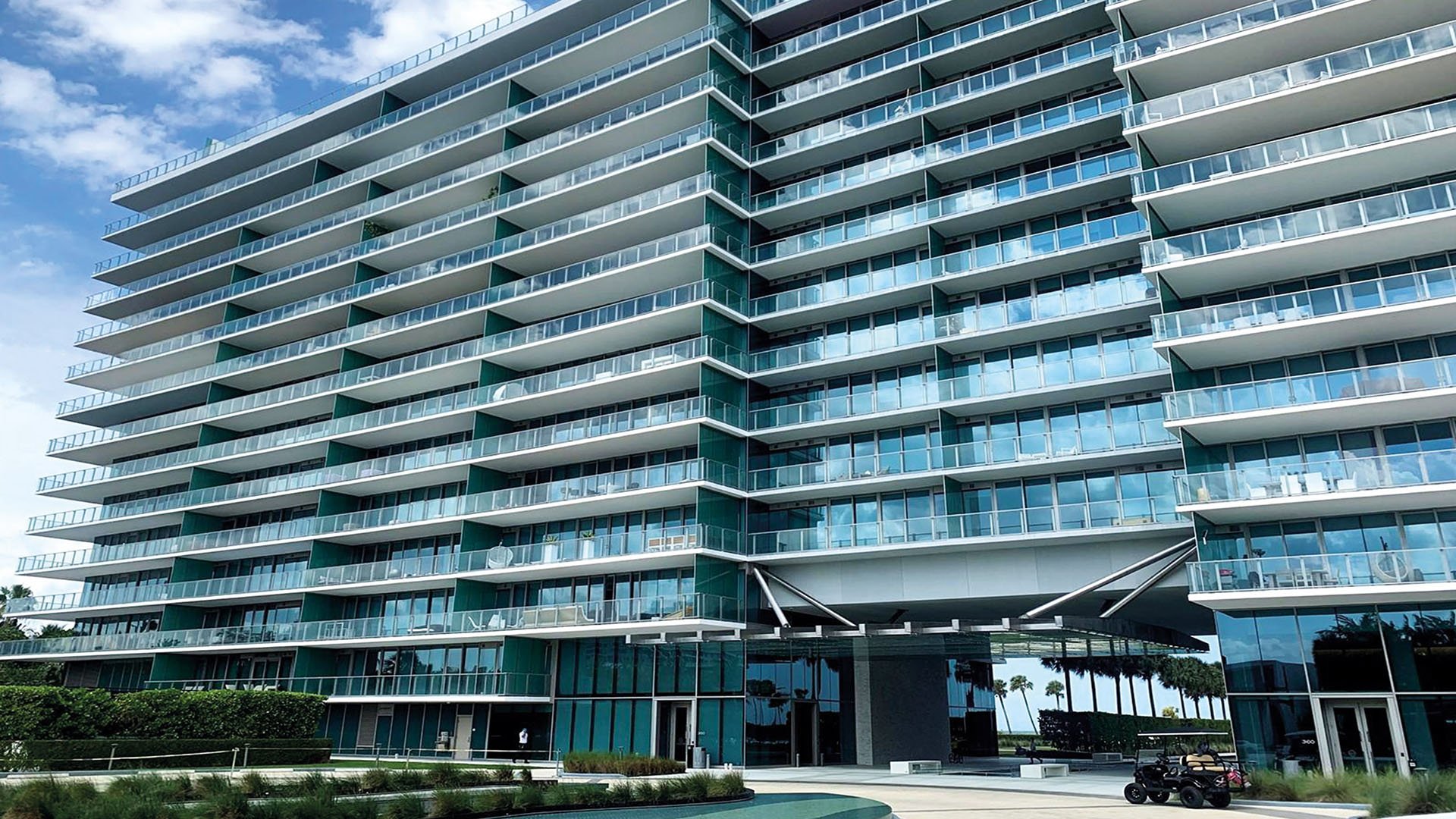
A cash acquisition in Key Biscayne can be exceptionally clean. There is no lender underwriting the collateral, no appraisal contingency to negotiate, and often greater certainty for the seller. Yet these advantages reduce transaction friction; they do not address the more consequential risks embedded in a luxury condominium.
Construction can run late. Materials or workmanship can become disputed. Amenities may open after the residences, operate differently from the presentation, or remain unfinished. Sponsor-era decisions can shape reserves and association finances long after closing. Cash gives a buyer greater control over financing, but it also removes a second institutional review that might otherwise prompt additional questions.
For a Key Biscayne buyer, this is not simply a pre-construction concern. The same discipline applies to a resale in a recently delivered building, a waterfront redevelopment, or an established property governed through multiple association layers.
Developer track record should be examined as a chain of responsibility. The branded project, legal seller, landowner, development affiliate, general contractor, guarantor, vendors, and condominium association are not necessarily the same entity. A prestigious name may define the design language or service promise without guaranteeing construction or contractual performance.
Review prior projects for original delivery expectations, actual completion, pauses in work, post-turnover defect claims, association litigation, amenity shortfalls, and contractor performance. Sales velocity and visual polish answer different questions.
The experience at Aston Martin Residences Downtown Miami illustrates the range of issues that can surface after a celebrated launch. Owners and the association have alleged defects, incomplete promised features and services, and improper use of association funds. The tower was also completed years after its original expected date, following a construction pause linked to a subcontractor bankruptcy. These allegations and disputes are not a substitute for final findings, but they identify the categories a buyer should investigate.
The same lens belongs on completed trophy properties. Litigation involving One Thousand Museum Downtown Miami concerned an allegedly unlawful sponsor-era vote to waive reserve funding. The lesson is not to judge a building by a single dispute, but to understand how early governance decisions may affect later capital planning.
A contractual completion date should be compared with observable milestones: demolition, permits, site activity, vertical construction, and any unresolved ownership or entitlement issue. The outside date matters, but so do extension rights, force majeure language, notice requirements, and the buyer's remedy if the schedule becomes implausible.
Three buyers at EDITION Edgewater sued to recover approximately $2.5 million in deposits, alleging that a summer 2028 substantial-completion deadline was impossible because meaningful construction had not begun. The redevelopment also depended on the existing Biscayne 21 property, where holdout owners resisted termination and demolition for years. A court later ordered the gutted building restored to habitable condition after its windows and air conditioning had been removed.
That history demonstrates why deposit recovery may not be automatic. A buyer who believes delivery has become unrealistic may still need to pursue an anticipatory-breach claim. New-construction underwriting should therefore examine both the promised calendar and the legal path to exit.
Renderings communicate ambition. Binding documents allocate risk. Cash buyers should confirm completion deadlines, extension powers, deposit remedies, warranties, reserve provisions, termination rights, and the precise treatment of amenities in the purchase agreement, declaration, prospectus, budgets, and exhibits.
The review should determine whether a marina, club, concierge offering, transportation service, or private-access feature is a binding obligation, a planned element, or a program subject to change. This distinction is especially important when considering lifestyle-led properties such as Oceana Key Biscayne or branded offerings elsewhere in South Florida. The connection between marketing language and enforceable delivery should always be explicit.
Contractor relationships also merit scrutiny. Buyers at The Estates at Acqualina Sunny Isles sued a developer affiliate over alleged construction problems amid disputes involving delay, quality, and payment between the developer and general contractor. Even when a sponsor has substantial resources, execution depends on the broader project team.
Key Biscayne's established condominium landscape adds another dimension: governance can span master and sub-associations. Key Colony's master association, which covers 1,179 units, has litigated against Emerald Bay, one of its constituent buildings. A buyer should identify which entity controls shared infrastructure, how expenses are allocated, what voting rights attach to the residence, and whether litigation could affect access, budgets, or assessments.
Building-level diligence should include engineering materials, reserve studies, insurance claims, special assessments, warranties, liens, lis pendens, construction records, meeting minutes, budgets, and pending litigation. Local building records can also reveal construction dates and recorded disputes. Any potential issue should be tested against the primary governing and transaction documents that determine the buyer's position.
Entitlement risk deserves equal attention. Terra and Fortune International paid a record $205 million for a Key Biscayne waterfront site planned for 56 ultra-luxury residences, while a nearby penthouse owner challenged project approval based on alleged insufficient notice. Prominence and capitalization do not make neighbor or approval disputes irrelevant.
The strongest cash position is not the fastest signature. It is the ability to separate brand equity from legal responsibility, compare the schedule with physical progress, and price unresolved risk before funds become difficult to recover.
For readers of buyer's guides, the practical standard is straightforward: verify what must be delivered, by whom, by when, with what extensions, and under what remedy. That approach preserves the discretion and certainty that make cash compelling while treating delivery and governance as investment variables rather than afterthoughts.
Does paying cash eliminate condominium delivery risk? No. It removes lender and appraisal contingencies, but delays, defects, litigation, unfinished amenities, and governance issues remain.
What is the first developer-track-record check? Compare original delivery expectations with actual completion across prior projects, then review post-turnover claims, litigation, and amenity performance.
Is a luxury brand responsible for construction? Not necessarily. Identify the legal seller, developer affiliate, contractor, guarantor, property owner, and any entity controlling the association.
How should buyers evaluate a promised completion date? Compare it with permits, demolition status, visible construction activity, contractual outside dates, and the seller's extension rights.
Can a buyer automatically recover a deposit after a delay? Not always. The contract may require specific notice or remedies, and a disputed future delay can lead to anticipatory-breach litigation.
Should advertised amenities be treated as guaranteed? Only when binding documents clearly establish the obligation, timing, operating terms, and available remedy for non-delivery.
What should be reviewed in a completed building? Examine engineering reports, reserves, insurance claims, assessments, warranties, meeting records, association finances, and pending litigation.
Why do master associations matter in Key Biscayne? They may control shared infrastructure, budgets, and voting matters separately from the individual building's association.
Are lawsuit allegations proof of developer liability? No. Allegations are not final findings, but they can identify issues requiring document review, technical advice, and legal analysis.
Who should advise a cash condominium buyer? A buyer should consider independent Florida condominium counsel, technical inspectors or engineers, and financial advisers suited to the transaction.
For a discreet conversation and a curated building-by-building shortlist, connect with MILLION.
If branded residences are on your mind — as a home or as an allocation — we would be glad to share what we are seeing, privately.
Begin a quiet conversation