Cash eliminates financing contingencies, not waterfront due diligence. Fort Lauderdale buyers should examine the property, marine edge, insurance options, storm procedures, association responsibilities, and annual operating plan before closing.
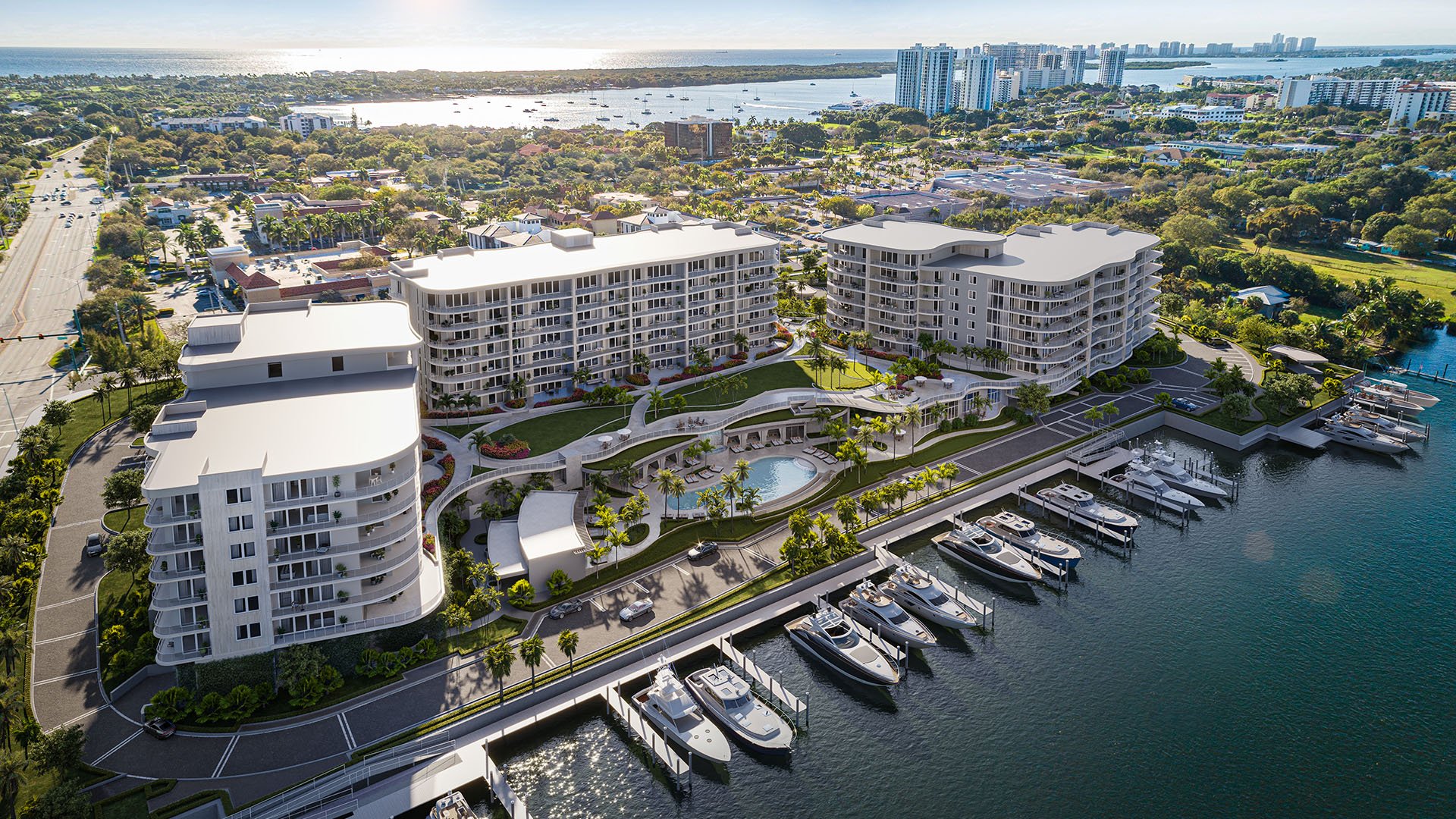
A cash purchase can make a Fort Lauderdale closing feel elegantly simple. Yet the absence of a lender does not answer the questions that matter most at the water’s edge. The buyer must still determine whether the residence, its marine infrastructure, its insurance options, and its storm plan align with the intended style of ownership.
For an estate, condominium, or second home, a disciplined approach centers on four themes: physical condition, water exposure, operating responsibility, and financial capacity. This buyer’s guide framework is not about predicting every scenario. It is about knowing who must act, what they must protect, and which costs remain with the owner.
Waterfront value is inseparable from the condition and usability of the shoreline. The inspection scope should therefore extend beyond interiors, finishes, and appliances. Ask qualified professionals to examine the seawall or other edge condition, dock components, drainage, exterior openings, roof, lower-level spaces, electrical equipment, mechanical systems, and any visible signs of prior water intrusion.
A boat slip also warrants its own diligence. Confirm dimensions, access, ownership or use rights, maintenance obligations, utility arrangements, and any approvals relevant to the buyer’s vessel plans. The central question is not simply whether a dock exists, but whether the complete marine setup suits how the owner expects to arrive, depart, provision, and secure a vessel.
Direct title, survey, boundary, permit, and access questions to the appropriate legal and technical advisers. Cash buyers may move quickly, but speed should follow clarity, not replace it.
A polished storm plan assigns decisions before they become urgent. Determine who will install protective systems, secure terraces and outdoor furniture, prepare vessels, check pumps or drainage, protect valuable interiors, and document the residence’s condition. If the property will be vacant, confirm how authorized vendors can enter and who can make time-sensitive decisions.
The plan should also cover the period after severe weather. Establish who may inspect the home, photograph conditions, coordinate temporary protection, communicate with insurers, and authorize immediate work. Keep current inventories, key contacts, policy information, and property instructions accessible away from the residence.
For a condominium, request the building’s current procedures and clarify the division between association and unit-owner responsibilities. Buyers considering Four Seasons Hotel & Private Residences Fort Lauderdale or Auberge Beach Residences & Spa Fort Lauderdale can apply the same principle: evaluate the residence together with the building’s governance, access protocols, staffing model, and emergency communication process.
Insurance review belongs early in the evaluation, even when no lender sets the timetable. Ask a qualified insurance adviser to assess available property, flood, wind, liability, contents, marine, and other coverage appropriate to the specific home. Pay close attention to exclusions, deductibles, valuation methods, documentation expectations, and responsibilities assigned to the owner.
Do not evaluate premiums in isolation. Consider the cash required if several obligations arise at once, including a deductible, temporary protection, interior work, vessel needs, or an association assessment. The objective is a resilient liquidity plan, not merely a policy file.
In a condominium, review the association’s coverage alongside the proposed unit policy, and ask counsel and insurance advisers to identify possible gaps. When comparing The Ritz-Carlton Residences® Fort Lauderdale with St. Regis® Residences Bahia Mar Fort Lauderdale, examine each property’s documents rather than assume that service, insurance, reserve, or storm procedures are interchangeable.
A refined residence requires an equally refined operating plan. Model routine maintenance, marine servicing, landscaping, pest control, security, inspections, association charges where applicable, insurance, and a contingency reserve. For owners who live outside Broward for part of the year, local oversight may be as important as any physical feature.
Before closing, create a concise responsibility matrix. Identify the owner’s attorney, insurance adviser, inspector, marine specialist, property manager, vessel contact, and preferred repair vendors. Record who holds keys, who can approve spending, and how the owner will receive updates. Cash becomes an advantage when paired with preparation, supporting decisive action without sacrificing scrutiny.
Does paying cash eliminate the need for an inspection? No. A cash buyer should define an inspection scope appropriate to the residence, waterfront edge, dock, and critical systems.
Should the seawall be reviewed separately from the home? Ask a qualified professional whether the shoreline condition warrants a dedicated review beyond the general property inspection.
What should I verify about a private dock? Confirm its physical condition, dimensions, access, use rights, maintenance obligations, utilities, and suitability for the intended vessel.
When should insurance be considered? Begin during diligence so coverage options, exclusions, deductibles, and documentation needs can inform the purchase decision.
What belongs in a storm plan for an occasionally occupied home? Include vendor access, protective-system installation, outdoor-item storage, vessel preparation, documentation, inspections, and spending authority.
How should condominium buyers assess storm readiness? Review current building procedures and clarify what the association handles and what remains the unit owner’s responsibility.
Are association documents important in a cash purchase? Yes. They can help advisers evaluate governance, budgets, reserves, insurance arrangements, use restrictions, and owner obligations.
What cash reserve should an owner keep available? Set the amount with financial and insurance advisers after considering deductibles, temporary protection, repairs, and other property-specific exposures.
Who should oversee the residence when the owner is away? Select a trusted local professional with defined access, communication duties, vendor authority, and clear limits on emergency spending.
What is the most useful pre-closing document for the buyer? A concise responsibility matrix can organize advisers, vendors, access instructions, insurance contacts, and decision authority.
When you're ready to tour or underwrite the options, connect with MILLION.
If branded residences are on your mind — as a home or as an allocation — we would be glad to share what we are seeing, privately.
Begin a quiet conversation