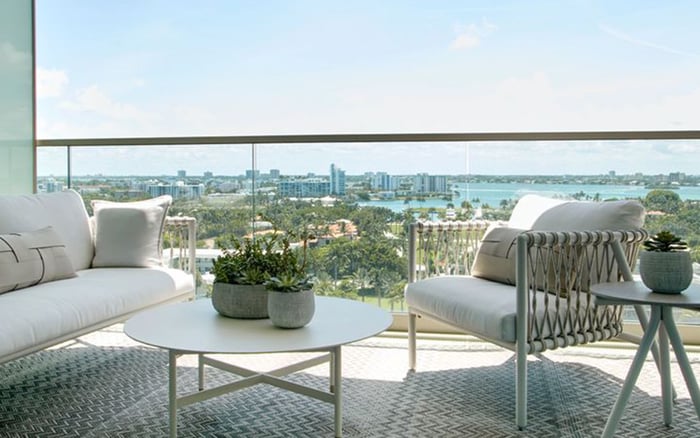
For a seasonal condominium purchase in Bal Harbour, the ownership structure, borrower qualifications, and building eligibility require distinct attention. A current questionnaire and supporting association documents help buyers evaluate financing today and the options available to a future purchaser.

A seasonal residence in Bal Harbour should be comfortable to own, not merely compelling to visit. For buyers taking title through a trust or entity, that distinction begins before closing: the lender must evaluate the proposed ownership arrangement, the borrower’s qualifications, and the condominium project itself. Approval of one does not establish approval of the others.
Whether the search includes Oceana Bal Harbour or another address, request the building’s underwriting documents early. A successful neighboring sale, a strong household balance sheet, or a description of the condominium as warrantable cannot replace the buyer’s lender reviewing current project information.
The objective is to understand what can be financed, under which ownership structure, and on what terms before contractual protections expire. No project mentioned here is being characterized as currently warrantable or non-warrantable.
Give the lender the specific proposed ownership structure rather than asking generally whether it lends to trusts or entities. Ask whether that arrangement is permitted for the intended loan and seasonal use, what documentation is required, and whether it changes underwriting, title requirements, or pricing.
A trust and an LLC are not interchangeable for financing purposes. Have counsel and the lender coordinate the proposed title arrangement before committing to a purchase structure. Request written clarification of any unresolved conditions.
For a buyer considering Rivage Bal Harbour, the question is not simply whether financing is available. It is whether the selected lender can support this buyer, this ownership vehicle, and this project under the intended loan program. Keep those inquiries separate: a favorable assessment of personal finances is not complete approval.
The condominium questionnaire is a building-underwriting tool. It gathers association information needed for project review, but it must be read alongside the underlying documents. An earlier questionnaire can provide background; it should not replace current information and an updated lender assessment.
Ask the association or its management representative to coordinate the following package with the lender:
A recent completed questionnaire. Confirm which form the lender requires, whether the responses are current, and which supporting items remain outstanding.
The current annual budget and latest reserve study. Compare reserve contributions with recommended funding, anticipated capital expenses, and planned assessments. Ask the lender to identify the applicable requirements rather than relying on a universal reserve percentage.
Master insurance documents. Have the lender review applicable property, windstorm, flood, liability, and fidelity coverage, including limits and deductibles. The presence of a policy does not establish its acceptability.
Special-assessment and delinquency information. Identify current and planned assessments, their purposes, and owners’ payment status. Read these alongside the budget to understand how obligations will be funded.
Litigation disclosures. Pay particular attention to cases involving structural integrity, safety, or construction defects. The lender should assess their significance rather than treat every pending case alike.
Recent board minutes. Look for discussions of major repairs, insurance difficulties, and potential assessments that require follow-up or supporting documentation.
Applicable structural inspection reports and repair updates. Establish what work is necessary, its status, and how it will be funded. Deferred maintenance and safety concerns warrant explicit lender review.
Read these records together. A reserve recommendation, a repair discussion, and an assessment may describe different parts of the same financial obligation. Ask the lender to reconcile material discrepancies before treating the file as complete.
Request an ownership breakdown showing units held by a developer, investor, or other single owner. Concentrated ownership can affect project eligibility, but the relevant requirements must be confirmed for the selected financing program. A single numerical rule cannot replace that review.
Also request occupancy and rental-use information that distinguishes primary residences, second homes, and investment units. Seasonal ownership should not automatically be treated as rental ownership. Describe your intended use accurately and ask the lender how it will be evaluated.
For buyers extending their search to Surfside and Arte Surfside, maintain the same distinctions rather than assuming nearby buildings share an underwriting profile. Ask about nonresidential space, short-term rental arrangements, and hotel-related operations. These features can raise eligibility concerns, but their significance belongs in the lender’s project assessment-not in assumptions based on an address or presentation.
A warrantable condominium meets applicable agency project criteria; a non-warrantable project does not. This is a financing classification, not a complete verdict on the residence’s desirability or suitability for a particular household.
Non-warrantable does not necessarily mean unfinanceable. Portfolio and specialized condominium lenders may offer alternatives. Those alternatives can change the purchase economics, potentially requiring a larger down payment or carrying a higher interest rate. Neither adjustment should be assumed to follow a fixed formula.
Request the lender’s own project assessment and an explanation of unresolved issues. Distinguish missing information from a documented eligibility problem, then ask what additional evidence or alternative financing would be needed. Another purchaser’s closing does not establish that the same terms, ownership structure, or project decision will apply to you.
Discuss with counsel a contract condition addressing acceptable condominium-project underwriting, not merely approval of the buyer’s finances. Coordinate the document request, lender review, and follow-up within the contingency period.
Before the relevant deadline, seek clarity on three points: acceptance of the trust or entity, completion of the borrower review, and the lender’s project decision. If any remains conditional, ask what must still be satisfied and whether the resulting loan terms remain acceptable. A document package is useful only if there is time to act on its contents.
Cash removes the need for a purchase mortgage; it does not remove a future buyer’s financing constraints. In Bal Harbour and Surfside, a non-warrantable project can direct purchasers toward larger-down-payment or portfolio financing, potentially narrowing resale demand. That possibility deserves consideration without implying a predictable price discount or premium.
Today’s eligibility is not permanent. Changes in reserves, insurance, litigation, or building condition can affect later financing, while resolving deficiencies may improve access. Preserve the underwriting package and continue monitoring material association developments during ownership.
For a considered approach to your next seasonal residence, explore MILLION.
If branded residences are on your mind — as a home or as an allocation — we would be glad to share what we are seeing, privately.
Begin a quiet conversationNo. The lender also evaluates the condominium project’s eligibility, and the proposed trust or entity structure requires separate confirmation.
It collects association information for building underwriting. The lender should evaluate its responses alongside current supporting documents.
It can provide background, but your lender should review current information. Another buyer’s successful closing does not establish approval for your transaction.
Do not assume they do. Ask whether the lender permits your specific structure and whether it changes underwriting, title requirements, or loan terms.
Request the current annual budget, latest reserve study, and assessment and delinquency information. Compare anticipated capital costs with proposed funding.
Provide master insurance documents for applicable property, windstorm, flood, liability, and fidelity coverage. Limits and deductibles also require review.
Not automatically. Project information should distinguish primary residences, second homes, and investment units, and you should describe your intended use accurately.
Portfolio and specialized lenders may offer alternatives. These loans may require larger down payments or carry higher rates, depending on the transaction.
Discuss a condition covering acceptable condominium-project underwriting with counsel. Arrange the document review early enough to address unresolved issues during the contingency period.
Future purchasers may need financing, and restricted options can narrow resale demand. Eligibility can also change as reserves, insurance, litigation, and building conditions evolve.