A buyer-focused editorial on how Brickell’s next generation of luxury residences is moving beyond views and floor plans toward brand identity, service culture, wellness language, and long-term lifestyle value.
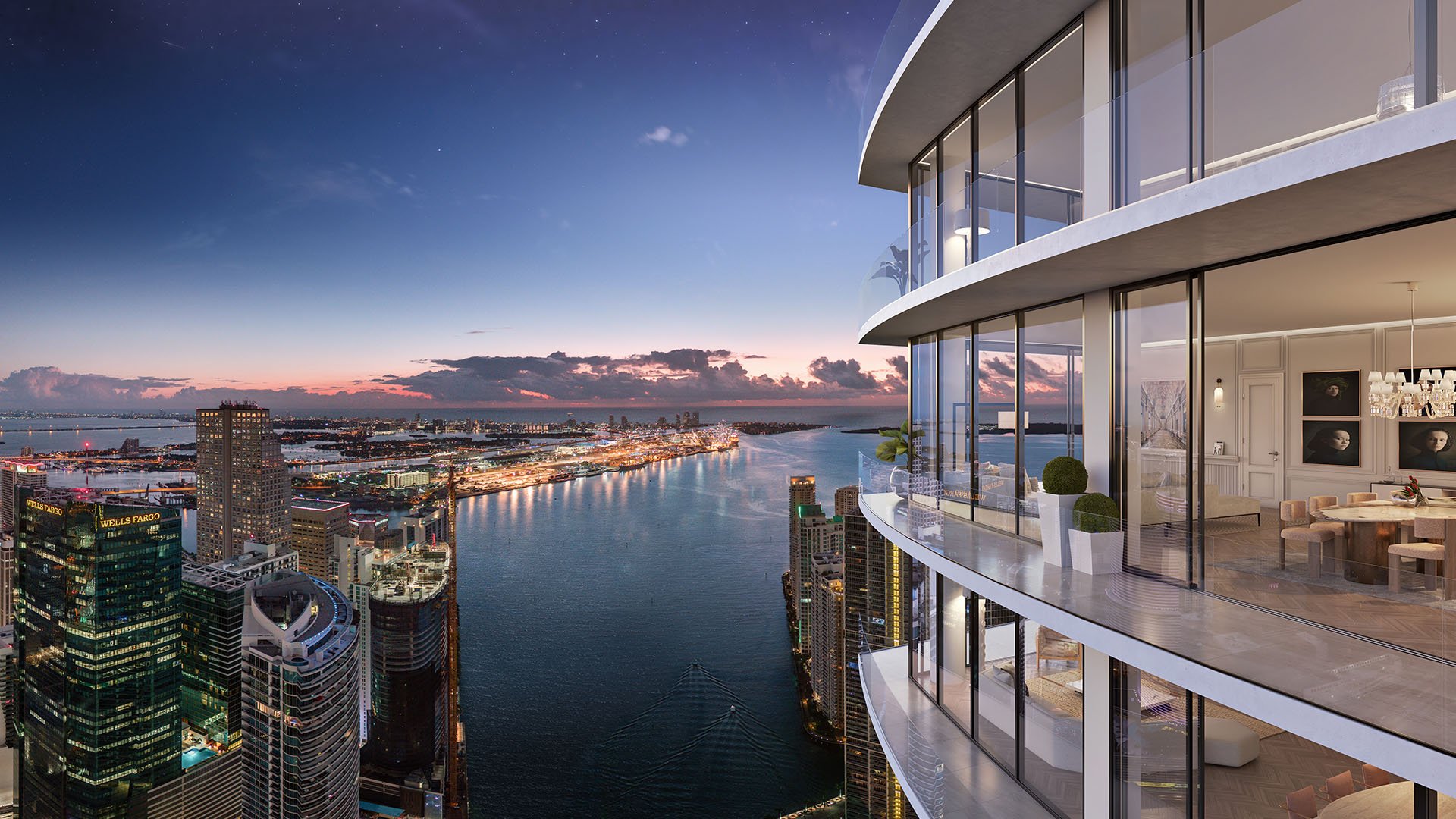
In South Florida’s ultra-prime condominium market, design-forward ownership no longer means selecting the most dramatic lobby or the highest glass balcony. It means buying into a complete residential point of view, one that connects architecture, interiors, amenities, service, and identity into a coherent daily experience.
That is why the conversation around Baccarat Residences Brickell matters. It frames Brickell not simply as a vertical financial district with water views, but as a global lifestyle neighborhood where brand, atmosphere, and private service are increasingly part of the ownership equation. In that context, names such as House of Wellness Brickell and Viceroy Brickell point to the broader language buyers now encounter: wellness, hospitality, curation, and lifestyle clarity.
For the discerning buyer, the question is not whether a residence is branded or design-led. The more important question is whether that identity is substantive enough to shape daily life, and resilient enough to support long-term desirability.
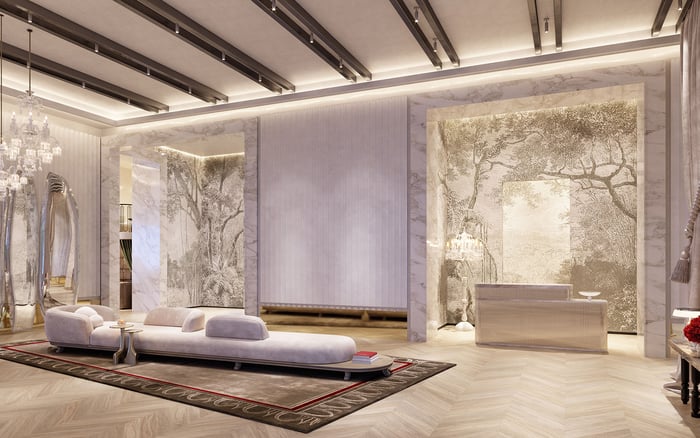
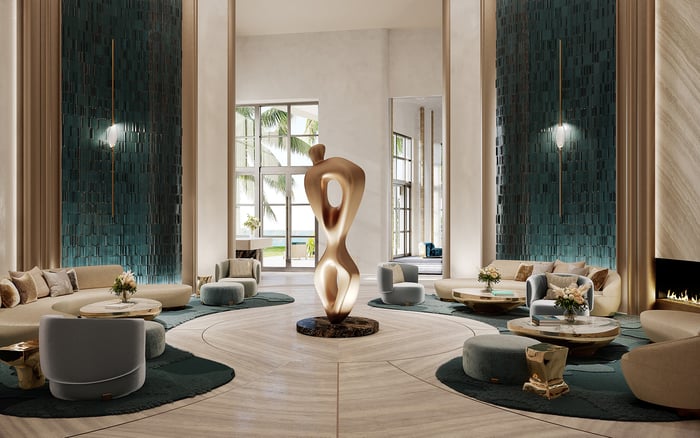
Baccarat Residences Brickell is the strongest example of this shift because its identity is not presented as a detachable label. The brand’s crystal heritage gives the project a narrative that can influence how owners interpret light, materiality, arrival, entertaining, and service. In a market where many towers compete through height, views, and amenity volume, Baccarat suggests a different proposition: the residence as an extension of a luxury house’s sensibility.
That distinction matters. A brand deeply associated with craft and sensory refinement can become part of a home’s perceived value. It can affect how buyers understand the lobby, read the interiors, experience hospitality-style service, and explain the residence to guests or future buyers. In this model, design is not only visual. It is emotional, atmospheric, and social.
This is where Brickell’s evolution becomes especially relevant. Once understood primarily as Miami’s financial core, Brickell is now also a lifestyle address for global residents who expect walkability, dining, service, wellness, and cultural access. Baccarat Residences Brickell reflects that transition because it treats ownership as a curated environment rather than a conventional high-rise purchase.
For a high-net-worth buyer, a luxury condominium is increasingly evaluated as a system. The private residence is one layer. The building’s arrival sequence is another. Amenities, service rituals, social spaces, wellness programming, and brand associations create the rest of the experience.
This is why Brickell’s competitive skyline has become fertile ground for distinctive residential identities. 888 Brickell by Dolce & Gabbana, The Residences at 1428 Brickell, and St. Regis® Residences Brickell all sit within a buyer landscape where differentiation is not optional. Each name enters a market in which affluent owners compare not only location and views, but the feeling of arrival, the promise of service, and the clarity of the residential identity.
That does not mean every brand or concept carries equal weight. Sophisticated buyers should look beyond name recognition and ask whether the building’s architecture, interiors, amenities, and operations reinforce the same idea. When the concept is seamless, branding can clarify value. When it is superficial, it can feel like decoration.
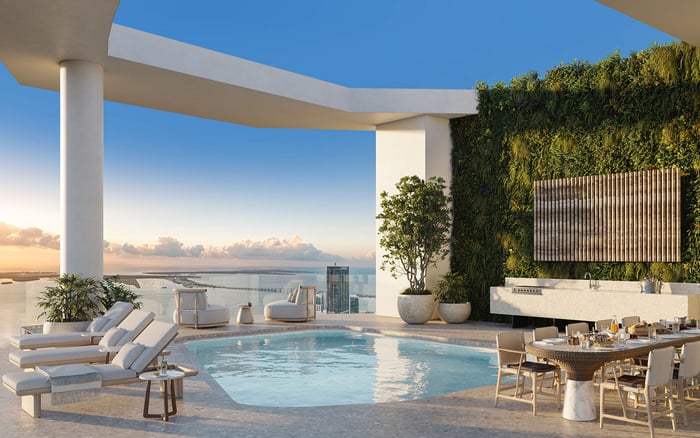
The appearance of wellness and hospitality language in Brickell’s luxury conversation is not incidental. It reflects a wider South Florida priority: homes that support restoration, privacy, entertaining, mobility, and service without requiring owners to compromise on design. The best projects understand that a residence is no longer simply where an owner sleeps between flights. It is where routines are managed, guests are hosted, work is conducted, and health is protected.
House of Wellness Brickell and Viceroy Brickell, as names within this conversation, show how strongly the market is moving toward concepts that promise more than a floor plan. One invokes wellbeing as a primary lens. The other carries hospitality associations. Without relying on specifics, their presence in the same buyer discussion as Baccarat points to the changing vocabulary of ownership.
For buyers, this vocabulary should be tested carefully. Wellness should be visible in planning, privacy, circulation, outdoor access, and amenity usability. Hospitality should be evident in service culture, operational quality, and the ease with which daily needs are anticipated. Design-forward ownership is not a mood board. It is the disciplined alignment of concept and execution.
Investment in this segment is rarely about a single feature. Views matter, but they are not the full story. Floor height matters, but it is not enough. The more meaningful long-term question is whether a building can remain distinct as new supply enters the market.
Branded residences can help answer that question when the brand is globally recognizable and deeply integrated into the ownership experience. Baccarat Residences Brickell illustrates how a luxury identity can become a value signal in a crowded skyline. It gives buyers a shorthand for quality, mood, and lifestyle, while helping a developer separate the project from more generic competitors.
Still, buyers should separate durable identity from novelty. A strong design-forward residence should be able to age gracefully because its concept is rooted in materials, service, spatial quality, and emotional resonance. It should not depend solely on marketing language. In South Florida, where new towers continually reset expectations, the most resilient properties are often those with a clear point of view and enough operational discipline to sustain it.
The most practical approach is to begin with lifestyle, then test the building against it. A frequent traveler may prioritize service, lock-and-leave ease, and a strong arrival experience. A local owner may care more about wellness, entertaining, parking flow, and privacy. A collector may be drawn to architecture, finish quality, and the cultural associations of the brand.
In Brickell, these preferences increasingly lead buyers toward residences that feel authored rather than assembled. Baccarat Residences Brickell makes the case for brand heritage as a residential asset. House of Wellness Brickell and Viceroy Brickell add to the broader theme that buyers are now weighing specialized concepts alongside location. The result is a more mature luxury market, one where ownership is defined by how a building lives, not simply how it photographs.
For South Florida’s most selective buyers, that may be the central lesson. The next generation of luxury ownership is not just about having a beautiful address. It is about choosing an address with a worldview.
What is design-forward ownership in Brickell? It means evaluating a residence by its complete lifestyle concept, including architecture, interiors, amenities, service, and identity.
Why is Baccarat Residences Brickell important to this discussion? It shows how a global luxury brand can shape the perceived value and atmosphere of a residential tower.
Does branding matter in luxury real estate? Branding can matter when it is integrated into design, service, and daily experience rather than used as a surface-level label.
How has Brickell changed for luxury buyers? Brickell has evolved from a conventional financial district into a more global lifestyle neighborhood with strong residential appeal.
Should buyers prioritize views or lifestyle programming? Views remain important, but the strongest ownership decisions also consider service, wellness, privacy, and long-term identity.
What should buyers ask about wellness-focused residences? They should ask whether wellness is reflected in planning, amenity usability, privacy, and the way daily routines are supported.
What should buyers ask about hospitality-focused residences? They should look for evidence of service culture, operational quality, and an ownership experience that feels effortless.
Can a branded residence support resale appeal? A well-executed brand identity can help a building remain distinct, especially in a competitive skyline with many luxury options.
Is every branded tower equally compelling? No. Buyers should judge whether the brand is meaningfully connected to the architecture, interiors, amenities, and services.
What is the key takeaway for South Florida buyers? The most compelling new luxury residences are selling a complete way of living, not just a private unit in a tower.
If you'd like a private walkthrough and a curated shortlist, connect with MILLION.
If branded residences are on your mind — as a home or as an allocation — we would be glad to share what we are seeing, privately.
Begin a quiet conversation