A buyer-focused look at how condominium and marina association documents can clarify bridge-clearance realities for South Florida waterfront ownership.
For South Florida waterfront buyers, bridge clearance is often reduced to shorthand: fixed bridge, no fixed bridge, deep water, ocean access. In a luxury transaction, that language is not enough. Association documents can reveal how a building, community, or marina actually governs waterfront access, dock rights, vessel limitations, and the daily friction between a prized residence and the waterway it promises.
Bridge clearance is not only a measurement. It is a usability question. A yacht may fit under a span on one tide and feel impractical under another. A sport boat may clear easily, while a tower, radar arch, hardtop, antennas, or outriggers can change the entire calculation. For a buyer focused on Waterview living, the view is only part of the story. The route from dock to open water may matter just as much.
The association declaration, bylaws, marina rules, dock assignment exhibits, plats, surveys, architectural guidelines, and meeting materials can each hold a different piece of the clearance puzzle. Some documents define who may use slips. Others address vessel length, beam, draft, height, storage, lifts, fueling, guest docking, insurance, maintenance obligations, or approval requirements.
A Boat-slip may be deeded, assigned, licensed, leased, or controlled by a separate association. That distinction matters because a residence with a water view and a residence with reliable vessel access are not the same asset. A buyer should understand whether dock use transfers automatically, requires consent, carries waitlist exposure, or may be changed by future association action.
For Resale buyers, older documents may include language drafted before today’s larger tenders, elevated center consoles, and sophisticated day boats became common in luxury ownership. For new development buyers, draft documents may be polished, yet still require careful reading. The goal is not merely to confirm that a slip exists, but to determine whether the governing documents support the intended vessel and lifestyle.
Association documents may not always state a single bridge-clearance number. Even when they do, buyers should avoid treating that number as the complete answer. The more valuable reading is contextual: what routes are contemplated, what vessels are permitted, whether the association distinguishes between docked height and navigational height, and whether restrictions appear in marina rules rather than the main declaration.
Practical language often appears in unexpected places. Insurance requirements may hint at operational expectations. Architectural rules may address lifts, davits, canopies, and dock alterations. Rules on commercial use can affect chartering or crewed operations. Guest-docking provisions can matter for an owner who hosts visiting vessels. Maintenance responsibilities can reveal whether seawalls, pilings, power pedestals, or dock surfaces are individual or common obligations.
If bridge clearance is central to the purchase, the buyer’s review should also account for the vessel itself. The stated height from waterline to highest fixed point is more useful than a brochure description. Removable antennas, fold-down towers, dinghy storage, and hardtop modifications can all affect whether the route feels effortless or conditional.
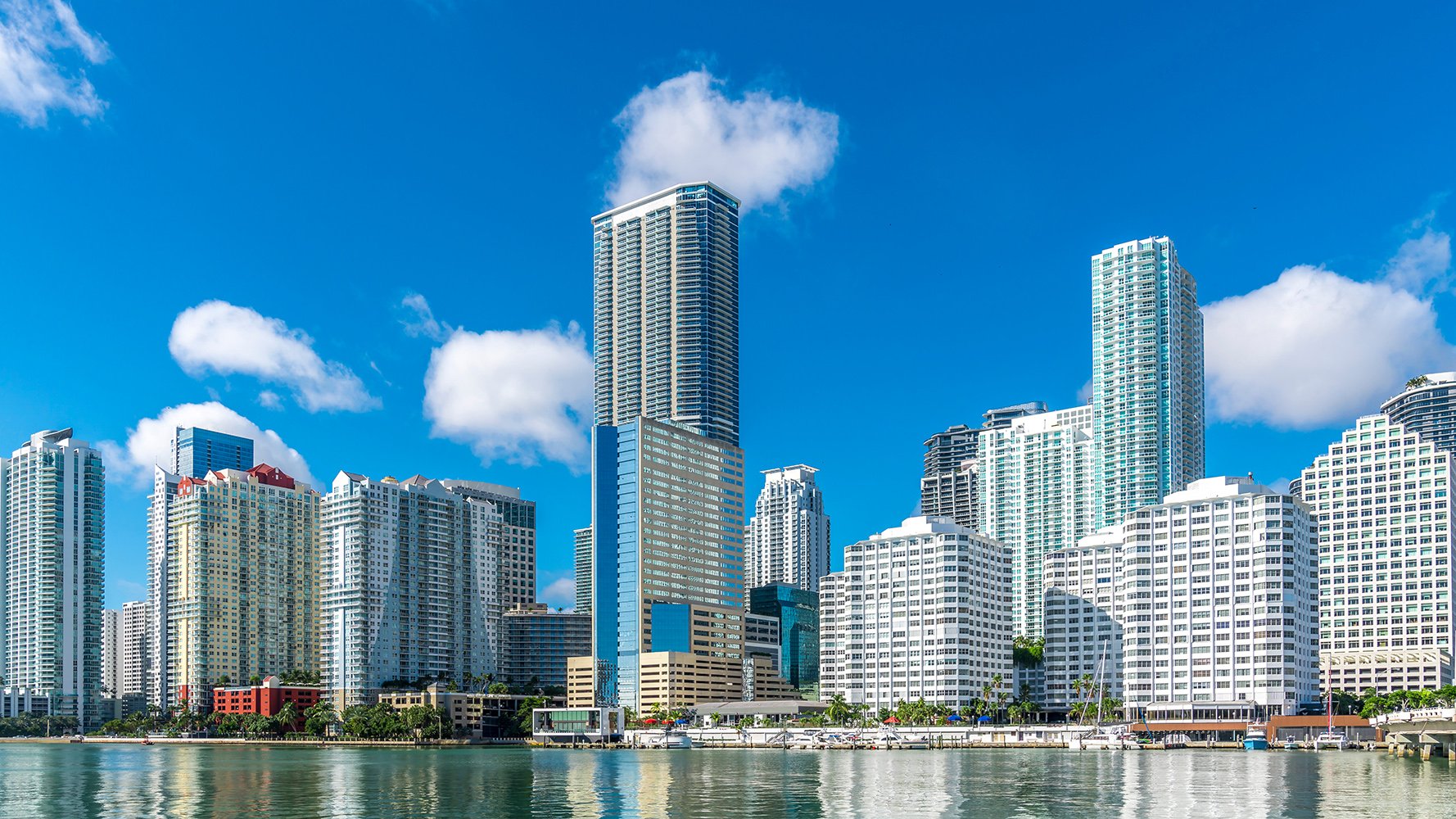
Waterfront ownership varies sharply across South Florida. In Aventura, canal systems, intracoastal routes, and marina-oriented communities can make vessel access a core component of value. In Brickell, the appeal may be more urban and skyline-driven, yet buyers still scrutinize dockage, launch access, and the relationship between a residence and Biscayne Bay. Along Miami Beach, Bay Harbor, Fort Lauderdale, Boca Raton, and Palm Beach corridors, the difference between protected water, bridge-controlled water, and direct ocean access can shape buyer psychology.
The most refined buyers ask disciplined questions early. What is the practical route from the slip to open water? Are there bridges, locks, restricted channels, or speed zones? Does the association place height limits on vessels independent of the bridge condition? Are lifts permitted, and if so, who approves them? Does the building maintain marina infrastructure, or does a separate entity control it?
These are not merely technical questions. They influence the rhythm of ownership. A second-home buyer may want instant, low-friction boating during short visits. An Investment buyer may care about future liquidity and whether the next purchaser sees the same dockage as an asset or a compromise. A full-time resident may focus on predictability, maintenance standards, and the quiet governance of the waterfront environment.
The best document review balances skepticism with restraint. A clause limiting vessel size does not automatically mean bridge clearance is a problem. A generous slip assignment does not automatically mean the route is effortless. The refined approach is to assemble the full picture, then confirm it through professional review, vessel specifications, and physical inspection.
Buyers should be attentive to undefined terms. Words such as yacht, boat, vessel, watercraft, slip, dock, lift, and marina can carry different meanings across documents. A declaration may be broad, while rules and regulations provide the operational limits. An exhibit may show a slip, while another agreement controls its transfer. A board policy may fill gaps not obvious in the recorded materials.
The quiet risk is assumption. Waterfront marketing often emphasizes lifestyle, but association documents define the rights that survive closing. A beautiful terrace, private elevator, and cinematic bay exposure are compelling. Yet if the owner’s boating expectations depend on informal practice rather than documented rights, the purchase is less secure than it appears.
Start with the residence contract package, then isolate every waterfront-related document. Review the declaration and amendments first, followed by bylaws, rules, marina or dock agreements, slip maps, surveys, insurance provisions, budgets, reserve references, and recent meeting materials. The sequence matters because a right granted in one document may be limited in another.
Next, compare the governing language with the actual vessel profile. Identify height, length, beam, draft, fixed equipment, removable equipment, and operational needs. If the vessel is not yet selected, buyers should still define an intended category. The difference between occasional tender use and regular offshore boating can change which documents matter most.
Finally, treat verbal comfort as secondary. A manager, neighbor, or seller may provide helpful context, but durable confidence comes from written rights, professional interpretation, and observable conditions. In luxury real estate, the most elegant outcome is not merely buying on the water. It is owning with clarity.
Do association documents always state bridge clearance? No. They may address vessel limits, dock rules, or marina rights without stating a precise clearance figure.
Why is bridge clearance important for a condominium buyer? It affects whether a vessel can move comfortably between its slip and open water, which can influence lifestyle and value.
Is a Boat-slip the same as a deeded property right? Not always. A slip may be deeded, assigned, licensed, leased, or governed by separate marina documents.
Can a building restrict vessel height even if the bridge allows passage? Yes. Association rules may impose vessel limits that are independent of navigational conditions.
Should buyers rely on a seller’s statement about clearance? Seller context can be useful, but buyers should verify rights, restrictions, and vessel fit through documents and inspection.
What documents are most relevant to Marina use? Declarations, amendments, dock agreements, slip maps, marina rules, insurance provisions, and meeting materials are all relevant.
Does Waterview value depend on dock access? Not always. Some buyers prioritize the view, while others require practical and documented vessel access.
Why does Resale due diligence matter for older waterfront buildings? Older documents may not reflect the size and equipment of many modern luxury vessels.
How does bridge clearance affect Investment thinking? It can influence future buyer demand, especially among purchasers who consider boating access essential.
What should an Aventura or Brickell buyer ask first? Ask how the governing documents define dock rights, vessel limits, transferability, and the practical route to open water.
When you're ready to tour or underwrite the options, connect with MILLION.
If branded residences are on your mind — as a home or as an allocation — we would be glad to share what we are seeing, privately.
Begin a quiet conversation