Art Basel Miami Beach 2026 offers Downtown Miami buyers a practical lens for evaluating entertaining readiness, from wine receiving and climate controls to documented backup power and usable storage.

A beautiful room is only part of a successful evening. For Downtown Miami buyers envisioning dinners around Art Basel Miami Beach 2026, the more revealing questions arise before guests arrive: who accepts the wine, where perishables wait, which rooms have independent climate control, and what stays powered if electricity is interrupted. The fair is an occasion to examine these details-not proof that any condominium delivers them.
The public fair runs December 4-6, from 11 a.m.-6 p.m. Invitation-only VIP Preview Days are December 2-3, with a vernissage celebration on December 3. Public admission should not be confused with preview access. Buyers planning to entertain across those dates should distinguish their own gatherings from each guest’s access arrangements.
The fair takes place at the Miami Beach Convention Center in South Beach, not Downtown Miami. That distinction matters to the hosting plan: coordinate transportation and arrival windows rather than treating the residence and fair as one destination. Plan an evening at home around guests’ actual schedules, not simply the public closing hour.
Wine receiving warrants a specific conversation with management. Ask whether staff may accept alcohol, what identification or authorization is required, and whether the resident must be present. Establish who is responsible from arrival at the building through delivery to the residence. A general package policy does not answer a specific wine-delivery question.
Next, clarify holding conditions. Is temperature-controlled holding available, and does it cover wine as well as other perishables? What happens if a delivery arrives after receiving hours? Can the owner authorize a representative, and how is that instruction recorded? The goal is a documented sequence-not an assumption that a staffed lobby resolves every handoff.
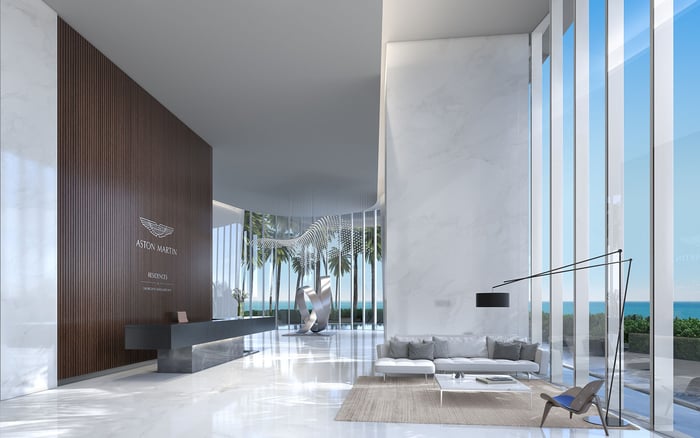
For a buyer considering Aston Martin Residences Downtown Miami, direct these questions to the relevant management and sales representatives without presuming any particular service. Apply the same diligence to catering access: confirm vendor entry, delivery windows, service-elevator arrangements and the route from receiving to the kitchen before organizing an event.
A comfortable living room does not establish suitable conditions for every bottle or artwork. Request HVAC maintenance records and verify the residence’s actual zoning. Identify which spaces can be controlled separately, where the controls are located, and whether the intended wine-storage area has dedicated equipment rather than relying on the surrounding room.
Walk the proposed display and storage locations with the appropriate specialists. Ask them to assess shades, nearby glazing, air distribution and leak detection in relation to the collection. Do not substitute a universal temperature recommendation for advice specific to the wine, artwork and installed systems. The goal is a clear account of what the residence can maintain and what requires adjustment.
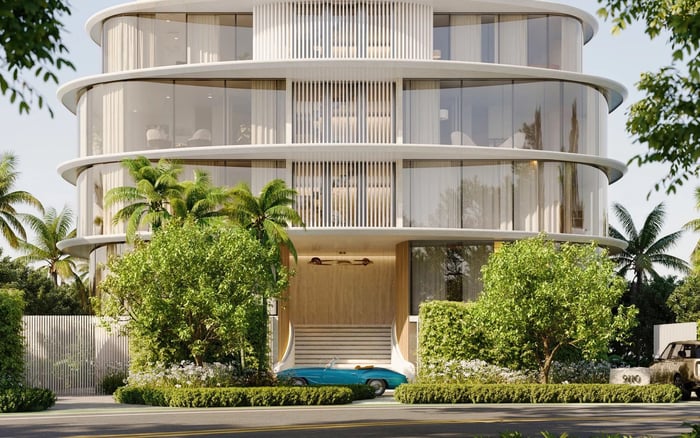
When reviewing One Thousand Museum Downtown Miami, bring the same unit-specific questions to the inspection. Verify equipment, controls and maintenance responsibility for the home under consideration. A project name cannot establish whether an individual residence’s systems suit a buyer’s collection or entertaining routine.
The phrase “backup generator” should begin an inquiry, not end it. Obtain written generator specifications and a clear statement of unit-level circuit coverage. Ask separately about private refrigeration, wine-storage equipment, air conditioning, lighting and outlets. Never assume building backup includes every appliance or comfort system inside a residence.
Ask management to distinguish shared building functions from private-unit loads. Then have the relevant professional identify which equipment connects to supported circuits. Request any operating limits or conditions in writing. This turns a broad reassurance into information that can guide both purchasing and hosting decisions.
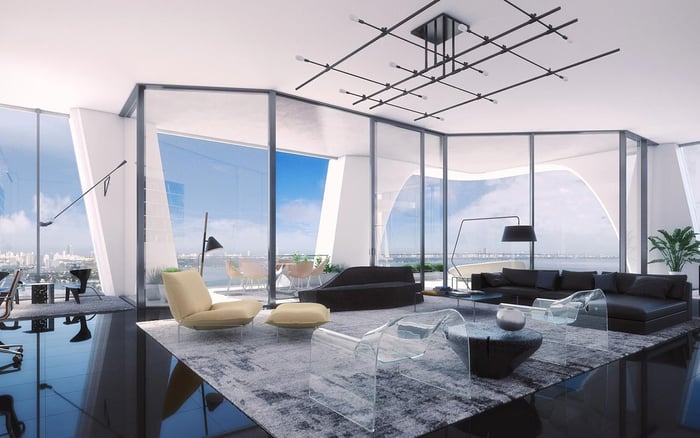
Apply that review to any residence under consideration at Waldorf Astoria Residences Downtown Miami, without treating the project’s identity as confirmation of coverage. Where documentation describes planned systems, distinguish those commitments from equipment already available for inspection. The question remains precise: what would stay operational inside this particular home?
A kitchen’s visual scale is not the same as its hosting capacity. Assess refrigerator and freezer space against a proposed menu, allowing for catered dishes and beverages. Review the ice maker, beverage storage and pantry separately. A cabinet or appliance count reveals less than an inspection of what each can actually accommodate.
Glassware and linens deserve equal attention. Consider where clean items are stored, where used pieces wait, and whether the kitchen can support preparation while guests are being served. Identify catering-staging space that does not consume the dining surface or interrupt circulation. Resolve these layout questions during a viewing rather than leaving them to the evening itself.
For buyers evaluating Casa Bella by B&B Italia Downtown Miami, a useful exercise is to trace one dinner from delivery through cleanup on the specific floor plan. Locate cold storage, preparation, service and temporary holding areas. Treat the exercise as a test of suitability, not a claim about the project’s included inventory or services.
Lifestyle appeal becomes more meaningful when translated into written requirements. Before committing, assemble the receiving policy, HVAC records, backup-power documentation and an inventory of equipment included with the residence. Ask which responsibilities sit with management, which remain with the owner, and which arrangements require separate vendors or approvals.
Then rehearse a plausible evening on paper: a wine delivery while the owner is away, catering arriving before guests, and a delayed return from South Beach. Identify who is responsible at each step and where any dependency remains unresolved. This is not a prediction of disruption during the fair; it is a way to judge whether the home supports the buyer’s intended use.
Art Basel Miami Beach 2026 provides the calendar. The residence must provide a workable setting, verified through its policies, systems and space. For a discerning Downtown Miami buyer, that is the difference between an impressive address and a home ready for the evening envisioned.
Explore Downtown Miami residences with MILLION and make hosting readiness part of your purchase conversation.
If branded residences are on your mind — as a home or as an allocation — we would be glad to share what we are seeing, privately.
Begin a quiet conversationThe public fair runs December 4–6, 2026, with opening hours listed as 11 a.m.–6 p.m.
VIP Preview Days are December 2–3 and are invitation-only. Public admission should not be treated as preview access.
No. The fair takes place at the Miami Beach Convention Center in South Beach, so Downtown Miami hosts should plan guest transportation separately.
Confirm alcohol acceptance, identification requirements, resident authorization, holding conditions and after-hours receiving. Clarify who handles the delivery from arrival to the residence.
No. Ask management whether it is available and whether wine deliveries qualify for it.
Request HVAC maintenance records and verify zoning, controls and maintenance responsibilities. Review wine-storage equipment and proposed artwork locations separately.
No. Obtain written specifications and unit-level circuit coverage before assuming private refrigeration, wine storage or air conditioning will remain powered.
Review usable refrigerator, freezer, ice-maker, beverage-storage and pantry capacity. Also assess glassware, linens and catering-staging space.
Confirm vendor entry rules, delivery windows, service-elevator arrangements and the route to the kitchen. Trace preparation, service and cleanup on the specific floor plan.
No. It offers a reason to examine hosting readiness, while receiving policies, climate controls, backup coverage and inventory require property-specific verification.