For collectors buying in Downtown Miami, a residence’s suitability extends beyond its walls. Map the crated delivery route, confirm freight access, specify environmental protection, and separate installation permissions from transport arrangements before scheduling arrival.
A collector’s residence should accommodate more than the final composition on a wall. It should support the journey from a protected vehicle to the intended room, with a workable route, a controlled handover, and an installation plan. In Downtown Miami, those questions belong in the purchase conversation-not the week an important work arrives.
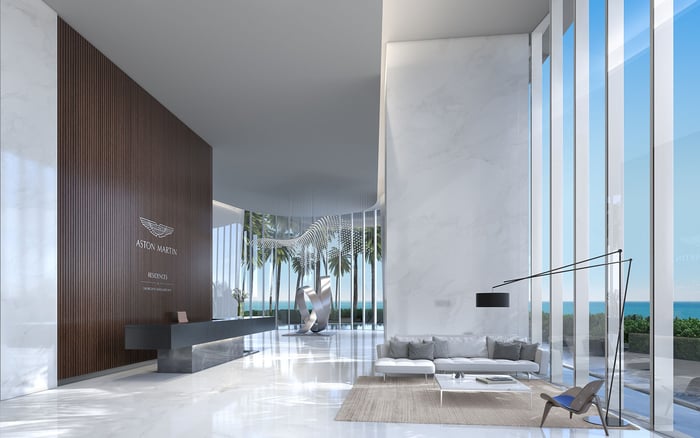
For a buyer considering Aston Martin Residences Downtown Miami, start with a collection brief: dimensions, crated weight, materials, proposed placement, and any artwork-specific handling instructions. Present it to the appropriate building representative and art handler before committing to a delivery schedule. Treat the answers as address-specific, not transferable between residences.
The central distinction is simple: permission to deliver is not permission to install. Keep access, environmental care, insurance, and alterations as separate items in one coordinated plan.
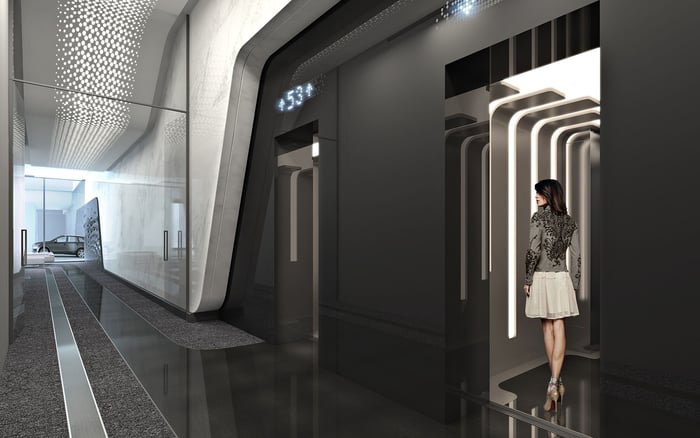
Begin with the largest or least adaptable piece. Ask the handler to assess the route from vehicle unloading through the loading entrance, corridors, elevator, residence entrance, and final room. Stairs, narrow openings, and installation conditions warrant attention before dispatch, particularly for oversized works.
Measure the fully crated work, not merely the visible artwork. Request elevator door clearances, usable cab dimensions, and weight limits, then have the handler compare them with the shipment and handling equipment. The route review should also account for turns and the space needed to maneuver safely.
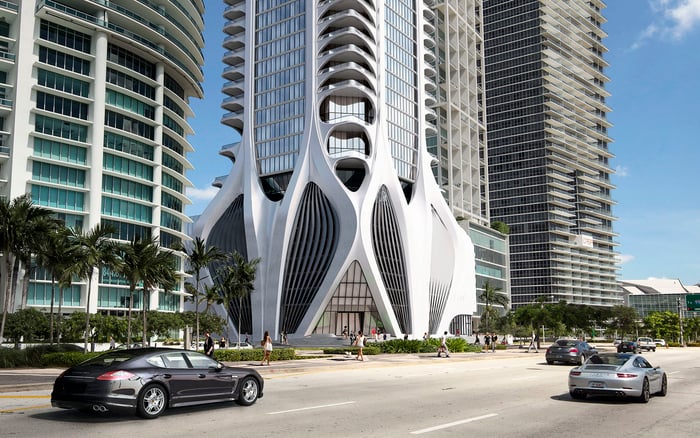
If One Thousand Museum Downtown Miami is on the shortlist, make that physical route assessment part of the residence evaluation. The question is not whether a building appears suitable for a collection, but whether the particular work can reach its intended position under the arrangements confirmed for that address.
Request a written route assessment that identifies unresolved obstacles. If the handler proposes unpacking before the final room, ask where that would occur and what additional protection and permissions would be needed.
A transport booking is not a substitute for a confirmed freight-elevator reservation. Obtain written delivery rules and establish who can authorize the slot. Ask about permitted delivery hours, loading arrangements, contractor documentation, protection of shared areas, and any applicable charges or deposits. These are diligence questions, not uniform Downtown Miami requirements.
The reservation should match the full scope of the delivery. Ask whether the proposed window allows for unloading, movement upstairs, unpacking, installation, and removal of packing materials-or whether separate arrangements are necessary. Confirm who can resolve an access problem on arrival.
Before dispatch, record the agreed sequence in one document: arrival contact, loading point, reserved access, approved crew, and destination. Ask who may authorize a delay, diversion, or return to storage if access is unavailable. Do not leave that decision to an improvised conversation beside a loaded vehicle.
Ask prospective fine-art transport providers about temperature and humidity management, air-ride suspension, and GPS tracking. Confirm the capabilities you require in the selected service agreement; do not assume they apply to every booking.
The more useful question is where environmental protection begins and ends. Ask how the work will be handled between the vehicle and residence, whether waiting areas are suitable, and what happens if the delivery window changes. Obtain artwork-specific environmental and acclimatization instructions from the appropriate specialist rather than choosing a generic setting for the whole collection.
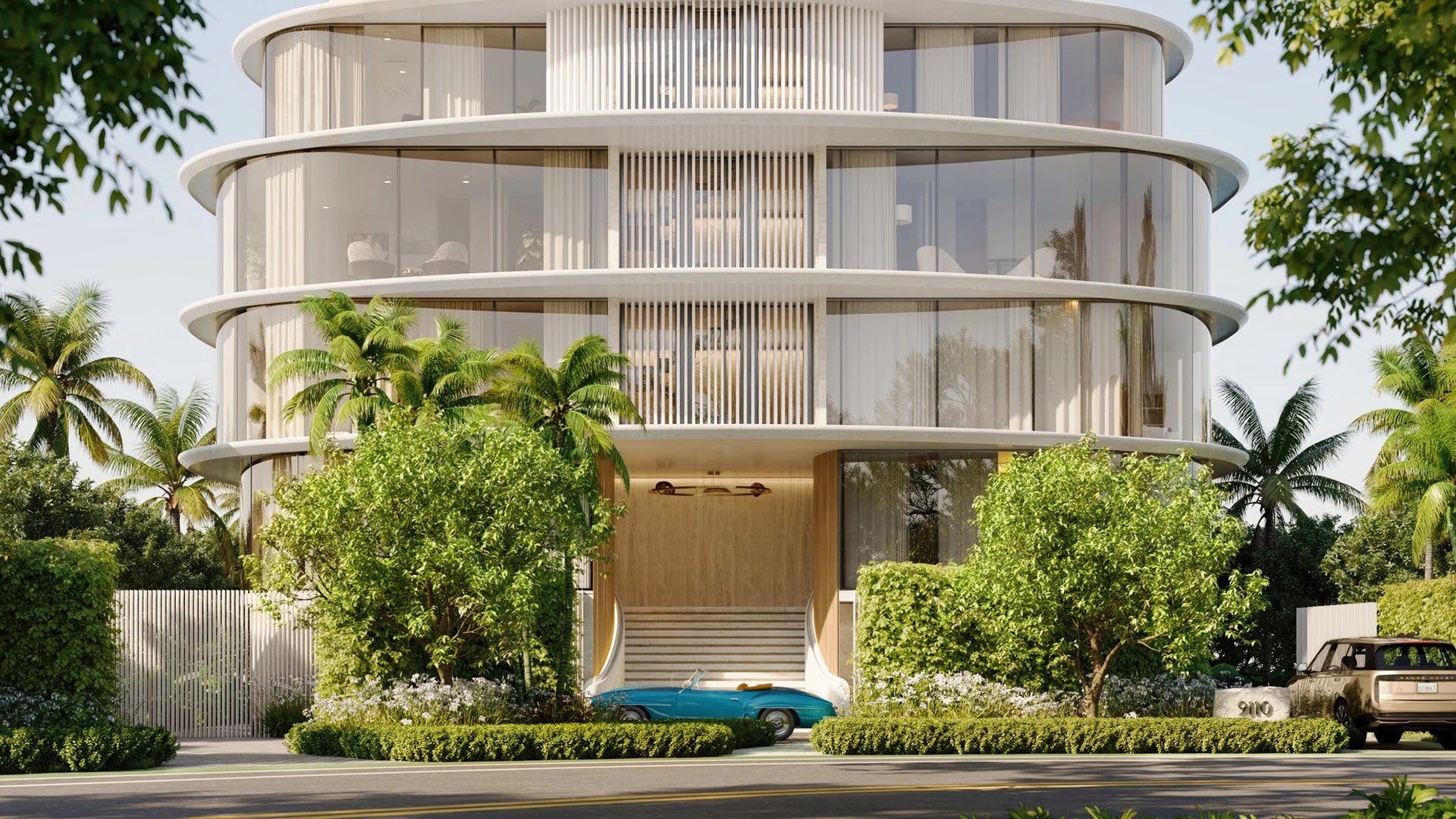
For a purchase at Casa Bella by B&B Italia Downtown Miami, align the intended arrival with confirmed residence readiness. Do not assume that possession and readiness to receive sensitive works are the same milestone.
Arrange a storage contingency before it is needed. Ask prospective receiving and storage providers about climate control, monitored temperature and humidity, security, and inventory access. Specify the required service, its insurance treatment, and who can authorize storage if installation must wait.
The installation review should begin before a crate is opened. A site assessment can address placement, sightlines, lighting, wall construction, anchoring, and the artwork’s condition. This is where the buyer’s aesthetic intent should be reconciled with the work’s practical requirements.
Request a mounting plan identifying artwork weight, wall construction, proposed anchors, and drilling locations. Ask management which elements require written approval and whether engineering review is needed. New lighting, structural attachments, wall alterations, or mechanical changes should trigger a permit assessment, not be treated automatically as ordinary delivery.
Before any construction or building-system work begins, confirm the applicable permitting authority and approval path for the specific Downtown Miami address. Ask whether proposed electrical, plumbing, structural, or mechanical work requires a permit rather than assuming a small alteration is exempt.
When evaluating Waldorf Astoria Residences Downtown Miami, ask how the proposed mounting and lighting plans would be reviewed. A delivery reservation should never be read as authorization to drill, alter a wall, or introduce new systems.
Ask your insurance adviser whether wall-to-wall transit coverage is appropriate and whether handling, storage, and installation require extensions. Do not assume those stages are covered simply because transport is insured. Request written confirmation of insured value, exclusions, deductibles, and the activities included in the selected coverage.
Pair that review with a handover protocol. Ask for condition documentation and a chain-of-custody record identifying who receives the work at each transfer. The written scope should establish who records a concern, who is notified, and who can decide whether handling continues.
For an acquisition destined for the Downtown Miami residence, explicitly assign responsibility for freight coordination, crating, local transport, storage, and installation. The buyer should be able to identify the responsible party at each stage without relying on assumptions between vendors.
Before authorizing dispatch, review four items together: a workable measured route, confirmed freight access, written environmental and insurance arrangements, and the necessary installation approvals. Name the person responsible for confirming each item and resolving anything outstanding.
If an essential item remains unresolved, use the agreed storage contingency rather than allowing the shipment to dictate the schedule. The objective is not simply to bring art into the residence. It is to preserve control from collection to placement, with practical details settled before the work becomes the room’s focal point.
For a considered approach to your Downtown Miami residence search, connect with MILLION.
If branded residences are on your mind — as a home or as an allocation — we would be glad to share what we are seeing, privately.
Begin a quiet conversationBegin during the residence evaluation, before committing to a delivery date. Prepare a collection brief with dimensions, crated weight, materials, placement, and handling instructions.
Check the route against the fully crated work and account for handling equipment. Ask the handler to assess door clearances, cab dimensions, weight limits, and maneuvering space.
Do not assume rules transfer between buildings. Obtain written confirmation of delivery hours, reservation procedures, documentation, and any applicable charges for the specific address.
Do not treat a freight reservation as installation authorization. Confirm installation permissions separately, including any review of anchoring, drilling, wall alterations, or new systems.
Identify the artwork’s weight, wall construction, proposed anchors, and drilling locations. Ask which elements need management approval, engineering review, or a permit assessment.
Ask the applicable permitting authority whether the proposed electrical, plumbing, structural, or mechanical work requires a permit. Confirm the approval path before work begins rather than assuming a small alteration is exempt.
Obtain artwork-specific environmental and acclimatization instructions from the appropriate specialist. Confirm how those requirements will be addressed during transport, handovers, waiting periods, and storage.
Arrange climate-controlled receiving or storage in advance. Specify who can authorize diversion, what environmental service is required, and how insurance applies.
Do not assume it does. Request written terms confirming whether handling, storage, and installation are included, alongside insured value, exclusions, and deductibles.
Request condition documentation and a chain-of-custody record. Establish who records concerns, receives notifications, and authorizes any decision to continue handling.