An amenity’s posted capacity defines how many people may be present at once, not how comfortably they can use it. For luxury condominium buyers, the more revealing questions concern seating, approved layouts, guest access, and peak-time availability.
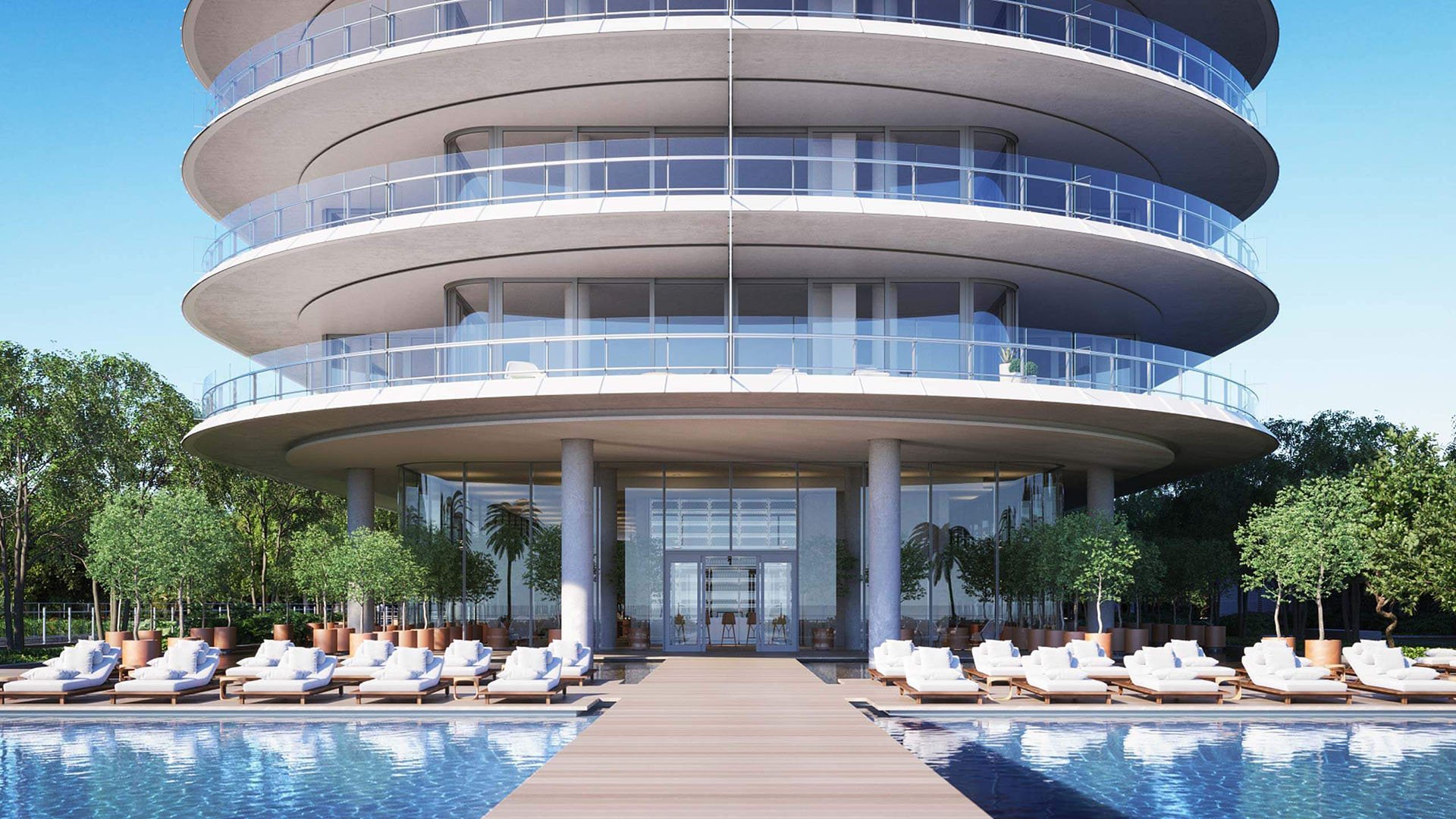
An elegantly furnished lounge can feel intimate long before it reaches its permitted headcount. A pool terrace can remain within its approved capacity while every desirable lounger is occupied. For a buyer considering a residence in a large South Florida luxury building, the distinction is essential: maximum occupancy describes how many people may be present at once, not how many can enjoy the space in equal comfort.
The number is not a daily allowance. Residents may come and go throughout the day without those visits accumulating against a single quota. What matters is the simultaneous headcount within the relevant space. Nor does a permitted maximum guarantee a seat, a reservation, or the quiet atmosphere a buyer associates with private residential amenities.
The posted maximum is a life-safety ceiling, not a promise of comfortable spacing. Understanding that boundary makes an amenity tour more useful than simply admiring finishes or counting rooms.
For South Florida condominium amenities, occupant-load calculations depend on floor area and intended activity, alongside applicable exit and life-safety requirements. For spaces without fixed seating, the calculation uses floor area and the occupant-load factor assigned to that activity. Square footage alone does not tell the whole story.
Fixed seating, movable furniture, standing arrangements, circulation paths, and exits can affect a space’s approved configuration and capacity. A room arranged for seated dining is not automatically interchangeable with the same room arranged for a standing reception. The relevant question is which use and layout have been approved.
When evaluating a residence at The Residences at 1428 Brickell, for example, make the inquiry specific: request the applicable capacity and approved arrangement for each shared space you expect to use. This is a diligence question, not a statement about the project’s particular limits or operating policies.
For buyers, four measures deserve separate attention: legal capacity, comfortable capacity, available seating, and reservation availability. Each answers a different question; no single figure substitutes for the others.
Legal capacity
addresses the permitted simultaneous population. Comfortable capacity concerns the experience you want, such as conversation without crowding or room to move around furnishings. Available seating measures something tangible but narrower: whether there is a suitable chair, dining place, or lounger. Reservation availability concerns whether access fits your schedule at all.
A useful comparison begins with the building’s unit count, but should not end there. Ask how guest allowances, reserved events, and peak-use policies intersect with the spaces you value. A capacity-to-unit comparison can frame questions; it cannot establish how busy an amenity will feel without property-specific information.
During a Miami Beach search that includes The Perigon Miami Beach, use your intended routine as the reference point. A quiet afternoon, a family gathering, and an evening with visiting friends place different demands on shared space. Ask management to explain each scenario rather than relying on a general assurance of ample amenities.
Pool-water capacity and pool-deck capacity are distinct calculations. Do not assume a single number describes every part of the pool amenity. Ask which limit applies to the water, which applies to the deck, and how management administers each area.
Comfort remains a separate question. A deck may accommodate its permitted population without providing a lounger for everyone present. Conversely, the number of loungers does not establish the approved capacity of the water. This distinction is especially relevant to waterfront ownership when outdoor relaxation is central to the purchase.
For a Sunny Isles Beach residence such as Bentley Residences Sunny Isles, request the property-specific pool and deck limits rather than estimating capacity from a rendering or furniture plan. Then confirm guest rules and any peak-period arrangements directly. Those policies require individual verification; they cannot be inferred from the address or brand.
Occupancy concerns everyone present, not only owners. Residents, visitors, children, and staff all contribute to the headcount. For entertaining, that means looking beyond the invitation list to include anyone serving or supporting the gathering within the space.
A private reservation does not authorize an event to exceed the approved occupant load. Nor should a host assume that removing chairs or shifting tables permits additional attendees. A change in activity or furniture arrangement can affect the applicable capacity and should be checked before plans are finalized.
Request the approved event layout and ask how the total headcount is established. Separately, verify any reservation procedures, staffing conditions, or insurance requirements with management. These are property-specific operating questions, not universal rules that follow from a maximum-occupancy sign.
Florida’s posting requirement for assembly spaces calls for the occupant load to be displayed conspicuously near the main exit or exit-access doorway. That does not mean every fitness room, spa, theater, or other residential amenity necessarily carries the same signage obligation. Verify the requirements and approved capacity for the individual facility.
Recreation, social gatherings, and food or drink consumption can fall within assembly uses. Certain small assembly spaces with occupant loads below 50 may qualify for another classification under applicable exceptions. Buyers should not treat that threshold as a universal exemption or as evidence that a smaller room has no capacity constraints.
The practical task is simpler than interpreting classifications yourself: obtain confirmation of the approved use, layout, and occupant load for the spaces that matter to your household.
Turn the amenity tour into a review of how you intend to live. Request capacity information and approved layouts for major spaces, then compare those details with seating, unit count, guest allowances, and reservation policies. Ask what happens when a facility reaches its permitted limit and whether a private booking affects other residents’ access.
The same approach applies to a Fort Lauderdale search involving Andare Residences Fort Lauderdale: seek building-specific answers rather than transferring assumptions from another property. The objective is not the highest possible headcount. It is a credible fit between approved capacity, operating rules, and your preferred daily experience.
For a considered approach to South Florida residential ownership, explore MILLION.
If branded residences are on your mind — as a home or as an allocation — we would be glad to share what we are seeing, privately.
Begin a quiet conversationIt is the number of people permitted in the space at one time, not the total number who may visit throughout the day.
No. The approved occupant load is a life-safety ceiling, not a guarantee of seating, comfortable spacing, or reservation availability.
Yes. Residents, guests, children, and staff all contribute to the headcount within the space.
It depends on floor area, intended activity, and applicable exit and life-safety requirements. For areas without fixed seating, an activity-specific occupant-load factor is used.
Yes. Seating arrangements, circulation paths, and the intended activity can affect the approved configuration and capacity.
No. Reserving a room does not authorize exceeding its approved occupant load.
No. They are distinct calculations, so buyers should confirm the applicable limits for both areas.
Florida’s posting requirement for assembly spaces does not establish an identical obligation for every residential amenity. Requirements for an individual fitness room, spa, theater, or other facility should be verified separately.
No. Certain smaller assembly spaces may qualify for another occupancy classification, but that does not establish an exemption from capacity constraints.
Request its approved capacity and layout, then compare them with seating, unit count, guest allowances, and peak-use policies. Confirm reservation and access rules directly with management.