A waterfront purchase does not necessarily carry the seller’s dock rights through closing. Understanding expiration, transfer conditions and renewal risk helps buyers negotiate a contract that protects the intended boating lifestyle.
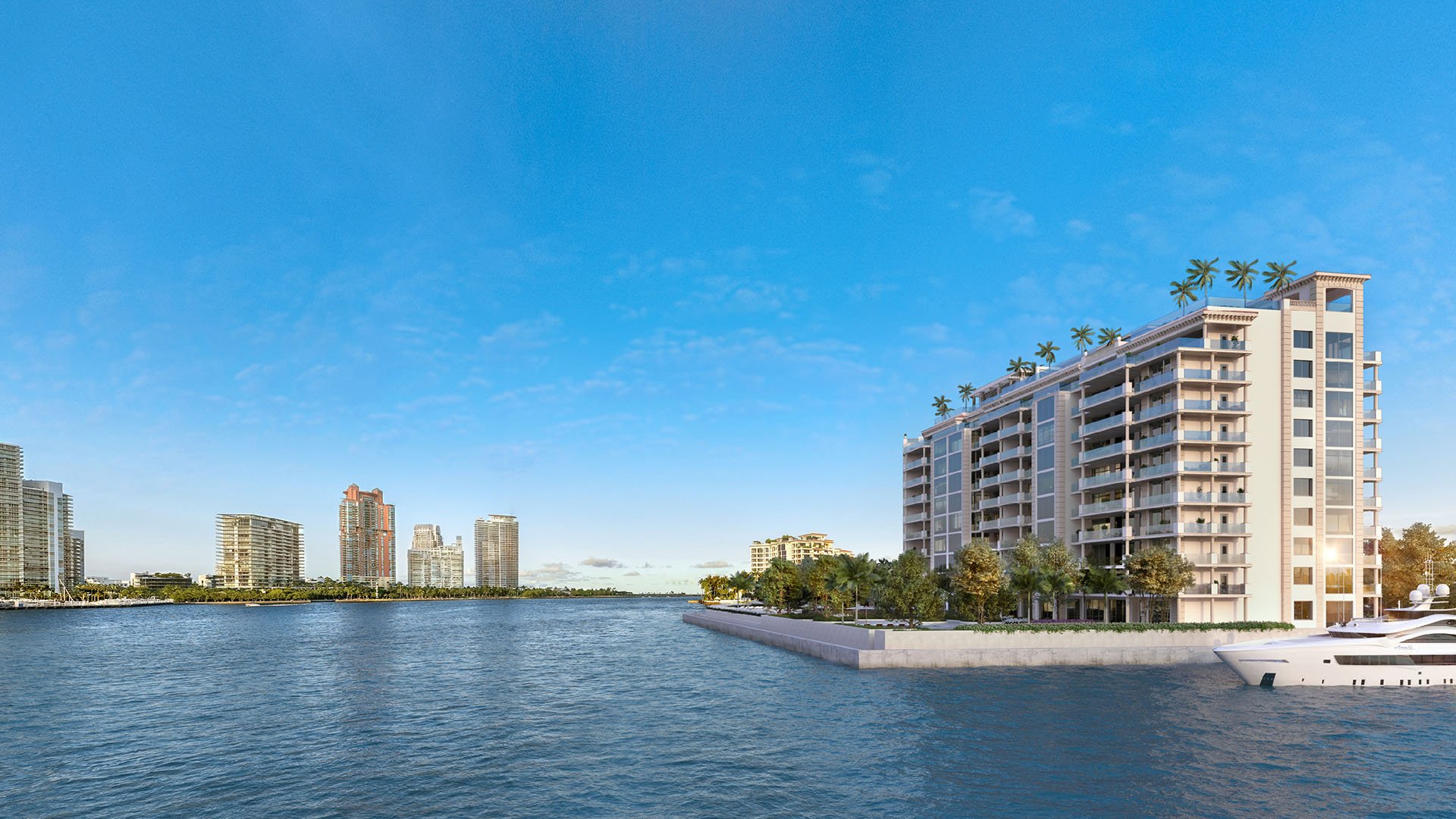
A beautiful dock can seem like the simplest part of a waterfront acquisition: a finished structure, a place for the boat, an immediate connection to the water. Its physical presence, however, does not establish the buyer’s right to use it after closing. When a dock license expires, the consequences turn on the instrument involved, its termination language and the authorization required next.
For a South Florida buyer, the essential distinction is between purchasing the residence and securing the intended boating arrangement. The contract should address both. A seller’s current access is not enough if the relevant permission expires, cannot be assigned or terminates when ownership changes.
Begin by separating the physical dock from the legal rights associated with it. A construction permit, a municipal use authorization, a sovereignty-submerged-land lease, a private slip license and a deeded interest or recorded easement are distinct instruments. Reviewing one does not replace reviewing the others.
Ask counsel to identify the holder of each authorization, the property or area it covers, its duration and the events that end it. Then establish whether the buyer needs an assignment, a transfer, a renewal or an entirely new approval. These are distinct contract-review questions, not interchangeable administrative labels.
A buyer considering St. Regis® Residences Bahia Mar Fort Lauderdale should apply the same discipline to any separately proposed boating arrangement. Evaluate the residential purchase and the slip arrangement under their respective documents, without assuming one establishes the other.
A specific Fort Lauderdale dock-use provision draws an important distinction: recording the deed transferring the upland parcel terminates the permit governed by that provision. Buyers should not assume that a permit valid before closing remains effective afterward. The same provision identifies abandonment of dock use and city termination, expiration or revocation as permit-ending events.
It also requires removal of the dock and appurtenances within three months after termination, revocation or expiration. That deadline matters, but it does not govern every dock in Fort Lauderdale or throughout South Florida. Nor does the removal language alone establish that every purchaser automatically inherits the former permit holder’s removal obligation.
The practical response is a focused review. Determine whether the provision applies to the actual authorization, identify the responsible parties and obtain written confirmation of the steps required for the buyer’s approval. Do not treat the three-month removal period as permission to continue using the dock.
For qualifying private residential docks and piers, the standard sovereignty-submerged-land lease has a maximum initial term of 10 years. Successive renewals may run for up to 10 years, subject to agreement and applicable requirements. Renewal is not an unconditional, automatic continuation.
Examine the remaining term, renewal history, applicable conditions and outstanding fees rather than relying on a statement that the lease is renewable. A right nearing expiration deserves explicit treatment in the purchase agreement, even if the seller expects a routine renewal.
When evaluating Una Residences Brickell alongside a proposed boating arrangement, keep the residence decision separate from the authorization review. The relevant questions concern the specific documents offered, not an assumed connection between residential ownership and continuing dock access.
Not every transfer can be completed before funds change hands. The Coastal Construction Control Line permit-transfer process illustrates the distinction: transfer cannot occur until the property sale is completed and the ownership change is recorded. Automatic approval depends on the new owner submitting all requested information.
This process applies to that permit category; it does not establish that every dock permit follows the same procedure. It does, however, expose a contract issue: confirming the transfer process before closing is not the same as completing the transfer.
The transfer also requires compliance with existing permit conditions. Transfer does not independently authorize changes to the permitted work; applicable modifications require prior written departmental approval. Obtain the existing permit and approved construction plans from the seller, and have counsel distinguish continuation of authorized work from any proposed alteration.
For a buyer considering The Ritz-Carlton Residences® Miami Beach, the same distinction belongs in the review of any separately contemplated dock arrangement. Residential ownership should not be treated as permission to modify marine improvements.
A private license can impose a different set of restrictions. A slip license may be personal to the licensee and non-transferable. Its terms may also specify that a change in vessel ownership does not itself terminate the existing license; the licensee must follow the specified termination procedure.
Such terms are operator-specific, not universal marina rules. They demonstrate why a buyer should not assume that acquiring a boat, a residence or the seller’s interest automatically delivers the seller’s slip rights or ends the seller’s obligations.
Request the complete agreement and written confirmation of the steps required for the proposed buyer’s approval. If a fresh license is needed, the purchase contract should address that uncertainty rather than describe the slip as an unqualified inclusion.
Before waiving relevant contingencies, request a complete authorization file: permits, leases, licenses, approved plans, expiration dates, renewal history, fee balances and violation notices. Ask for written confirmation of the steps required for the buyer’s intended use. These are recommended diligence measures, not automatic legal requirements in every transaction.
Next, negotiate responsibility. Consider seller cure obligations, application and engineering costs, and post-closing cooperation where the process requires recorded ownership first. Counsel can also consider negotiated termination rights or escrow protections if the necessary authorization cannot be obtained. Neither substitutes for approval.
The contract should distinguish what must be delivered before closing from what can occur only afterward. Where uncertainty remains, the buyer should understand the potential interruption to use, unresolved costs and agreed remedy before committing without protection.
Dock access deserves the same precision as the residence itself. Have Florida waterfront real-estate counsel review the actual instruments before relevant contingencies are waived, particularly where expiration or deed recording can change the seller’s existing rights.
For a considered approach to South Florida waterfront ownership, explore MILLION.
If branded residences are on your mind — as a home or as an allocation — we would be glad to share what we are seeing, privately.
Begin a quiet conversationDo not assume it does. The actual instrument may require transfer approval, prohibit assignment or terminate when ownership changes.
Yes, under the specific dock-use provision discussed in the article, recording the deed transferring the upland parcel terminates the permit. That provision does not govern every dock in the city.
It requires removal of the dock and appurtenances within three months after termination, revocation or expiration. The provision alone does not establish that every purchaser inherits the former permit holder’s obligation.
The standard sovereignty-submerged-land lease covering qualifying private residential docks and piers has a maximum initial term of 10 years.
No. Successive terms of up to 10 years are subject to agreement and applicable requirements.
For this permit category, transfer cannot occur until the sale is completed and the ownership change is recorded. Automatic approval also requires submission of all requested information.
Transfer does not independently authorize changes to the permitted work. Applicable modifications require prior written departmental approval.
Not necessarily. A private marina agreement may make the license personal and non-transferable, so the actual agreement requires review.
Request the complete authorizations, approved plans, expiration dates, renewal history, fee balances and violation notices. Seek written confirmation of the buyer’s approval pathway as well.
Consider seller cure duties, post-closing cooperation, cost allocation and negotiated termination or escrow protections. Florida waterfront real-estate counsel should review the instruments before relevant contingencies are waived.