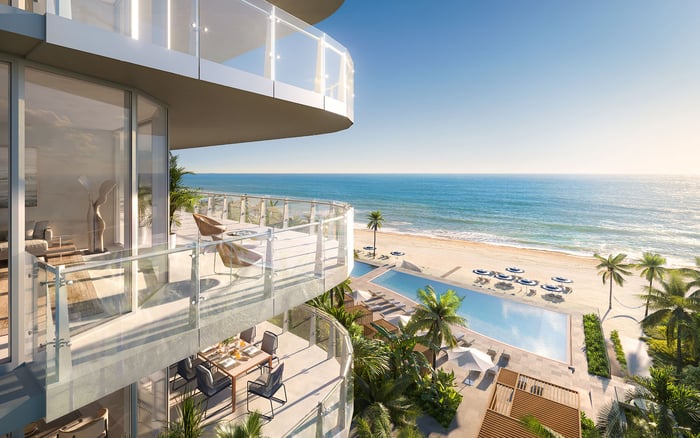
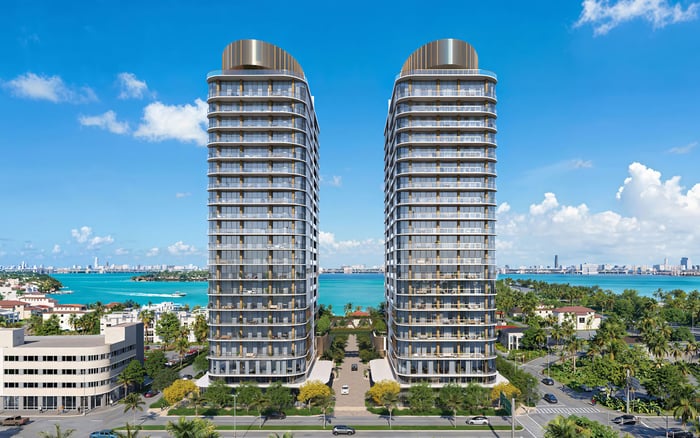
A disciplined buyer’s guide to evaluating the practical value of wellness amenities at Shell Bay, from daily access and staffing to fees, capacity, and long-term upkeep.
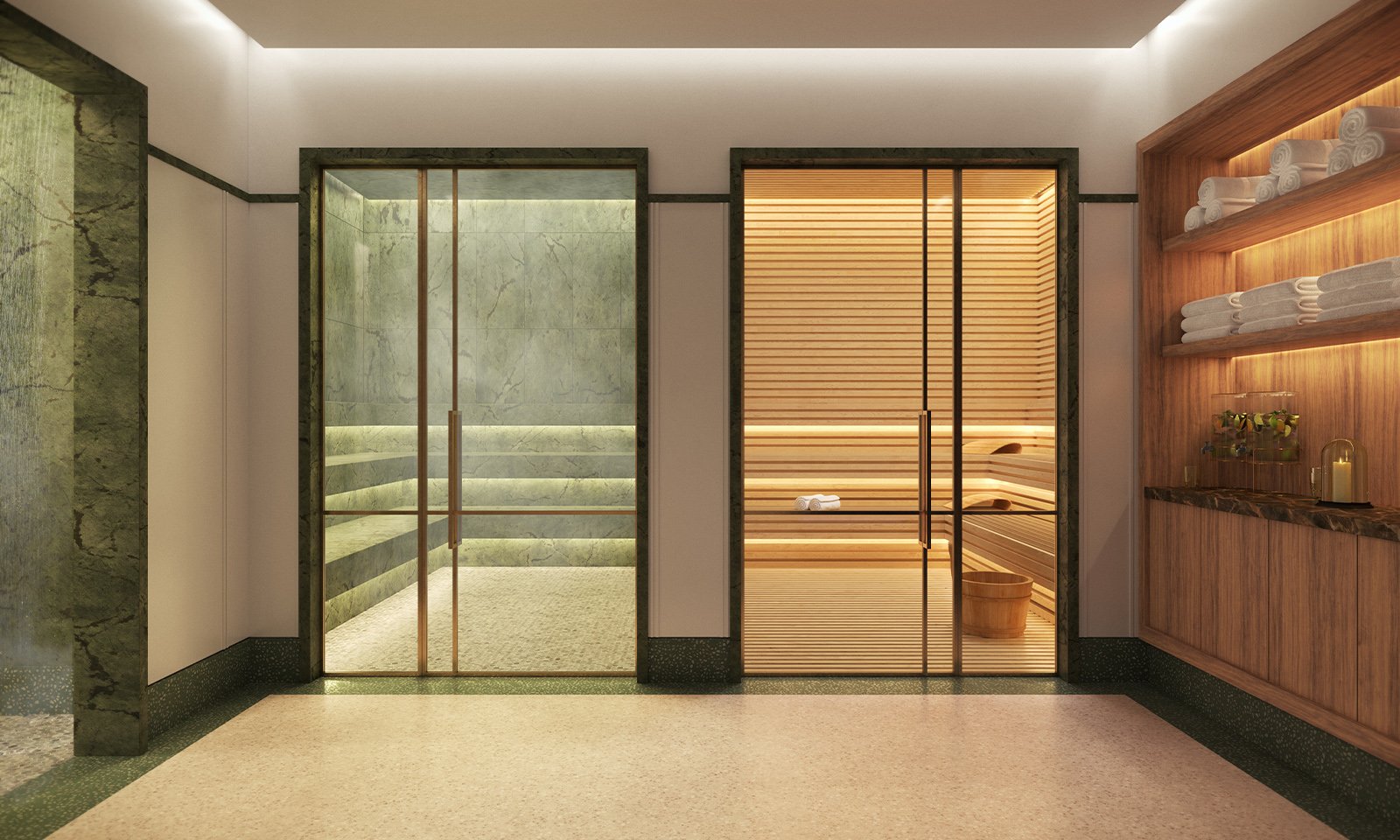
At Shell Bay by Auberge Hallandale, wellness is presented as part of a broader resort-style residential experience in Hallandale Beach. For buyers, the essential question is not whether the spa, fitness, pool, and outdoor spaces sound desirable. It is whether those facilities will be accessible, adequately staffed, financially sustainable, and convenient enough to become part of daily life.
Auberge branding contributes to the development’s lifestyle and service identity, but a respected name does not, by itself, define operating hours, staffing ratios, reservation priority, or treatment pricing. Those details determine whether an amenity is genuinely useful or primarily persuasive marketing.
Begin by dividing the wellness proposition into two categories. The first encompasses tangible facilities, including the promoted spa, fitness, pool, and outdoor areas. The second consists of subjective ideas such as relaxation, balance, restoration, and holistic living.
Physical spaces can be inspected, governed, budgeted, maintained, and measured for capacity. Aspirational benefits cannot be assumed merely because a residence offers an attractive setting. The available project material does not establish independently audited physical or mental-health outcomes, nor does it present the offering as a separately documented healthcare program.
This distinction is especially important within branded residences, where hospitality language can shape expectations before the precise operating model is known.
A beautiful wellness space has limited practical value if residents cannot use it when needed. Buyers should establish operating hours, advance-booking requirements, cancellation policies, guest privileges, and peak-period capacity. None of these operational points is established in the currently available project description.
Ask how many residents can comfortably use each space, whether private sessions displace general access, and how far in advance appointments may need to be reserved. Weekend, holiday, and seasonal demand deserve particular attention. Convenience is not a secondary detail; it is the mechanism through which a planned amenity becomes part of a resident’s routine.
Wellness facilities depend on people. The project information does not establish resident-to-staff ratios for trainers, therapists, attendants, or other wellness personnel. Buyers should therefore request the proposed staffing plan, qualifications for specialist roles, management responsibilities, and procedures for periods when personnel are unavailable.
The same scrutiny applies when comparing hospitality-oriented properties such as Auberge Beach Residences & Spa Fort Lauderdale. Brand recognition may shape expectations, but each condominium has its own documents, budget, rules, contracts, and service structure. Operating evidence should take precedence over assumptions based on a shared hospitality category.
A wellness package may combine common facilities with separately charged services. Current material does not clarify which offerings are covered by common charges and which may incur treatment, training, membership, or guest fees.
Request an itemized service menu and determine whether pricing can change independently of the condominium budget. Buyers should also examine maintenance schedules, equipment-replacement planning, and lifecycle costs for spa and fitness infrastructure. These factors affect both the consistency of the resident experience and the durability of future common charges.
Transparent expenses are more valuable than an expansive amenity narrative. A smaller program with dependable access and predictable costs may deliver greater utility than a more elaborate one burdened by surcharges or congestion.
Comparison should focus on operating structure rather than the number of wellness-related phrases in a presentation. A buyer considering The Well Bay Harbor Islands or House of Wellness Brickell can apply the same framework: What will be physically delivered? Who will operate it? When will it be accessible? What will cost extra? How will service continuity be protected?
Third-party wellness certification, clinical licensing, and independently measured air, water, lighting, or acoustic performance are not established for Shell Bay in the available material. Buyers who value any of these standards should request the exact certification, testing protocol, responsible entity, and continuing compliance obligations rather than rely on broad wellness terminology.
The decisive materials are the final condominium documents, operating budget, amenity rules, service menus, and management agreements. Together, they can clarify control, funding, access, restrictions, staffing, and remedies if promoted services are unavailable.
This documentary review is essential because project-page descriptions identify what is planned or promoted, not necessarily how an amenity will perform after opening. Buyers should also determine whether management may modify hours, substitute services, limit guests, or introduce additional charges without an owner vote.
There is no supported evidence quantifying a resale premium attributable specifically to Shell Bay’s wellness amenities. Any financial premium should therefore reflect personal expected use and documented operations, not presumed market recognition.
The strongest signals of lasting value are straightforward: reliable access, qualified staffing, sufficient capacity, transparent fees, predictable hours, and funded maintenance. Marketing language may frame the experience, but operations will define it.
Is Shell Bay’s wellness offering a healthcare program? It is marketed as part of a broader resort-style amenity package, not as a separately documented healthcare program.
Does Auberge branding guarantee specific service standards? No. Branding informs the lifestyle proposition, while amenity standards depend on governing documents, budgets, staffing, and management agreements.
Which physical wellness elements should buyers evaluate? Focus on the promoted spa, fitness, pool, and outdoor spaces, then confirm their delivery, capacity, rules, and accessibility.
Are specific health outcomes supported? The available material does not provide independently audited evidence of particular physical or mental-health outcomes.
Are wellness services included in common charges? That is not clarified in the available project material. Buyers should request an itemized schedule of included services and separate fees.
What access rules require confirmation? Confirm operating hours, booking lead times, cancellation rules, guest privileges, resident priority, and peak-period capacity.
What staffing information should a buyer request? Ask for staffing ratios, professional qualifications, management responsibility, scheduling coverage, and contingency plans for unavailable personnel.
Are third-party certifications established? The available material does not establish wellness certification, clinical licensing, or independently measured environmental performance.
Do the amenities guarantee a resale premium? No supported evidence quantifies a resale premium specifically attributable to the wellness package at Shell Bay.
Which documents matter most before purchase? Review final condominium documents, the operating budget, amenity rules, service menus, and management agreements with appropriate advisers.
For a discreet conversation and a curated building-by-building shortlist, connect with MILLION.
If branded residences are on your mind — as a home or as an allocation — we would be glad to share what we are seeing, privately.
Begin a quiet conversation