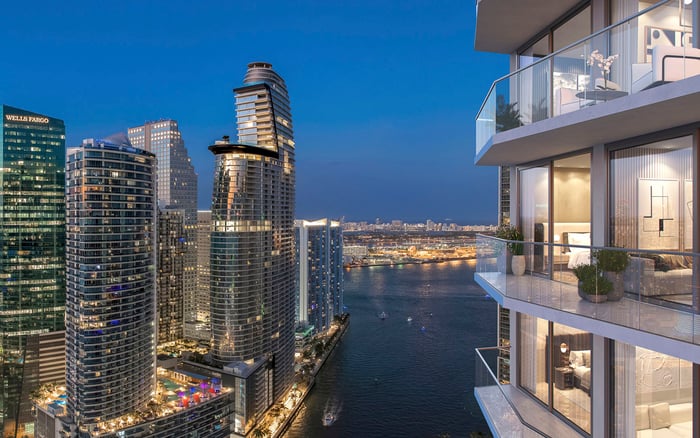
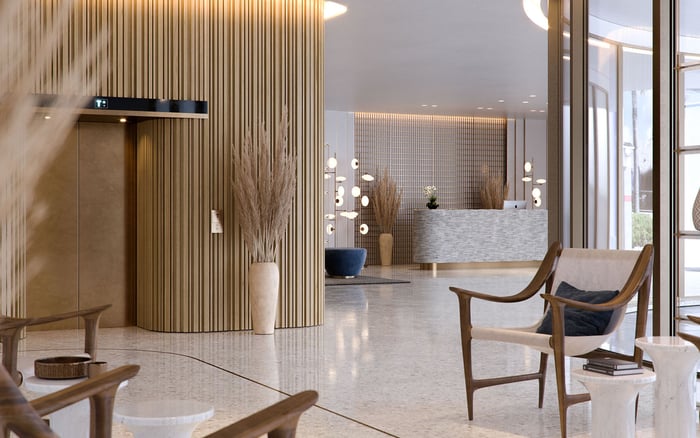
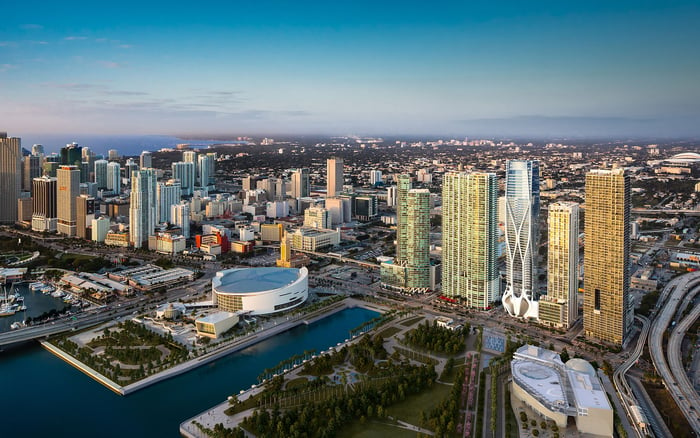
A disciplined walkthrough strategy for One Thousand Museum should consider acoustics, circulation, building operations, resilience, condominium governance, and daily usability alongside the residence itself.
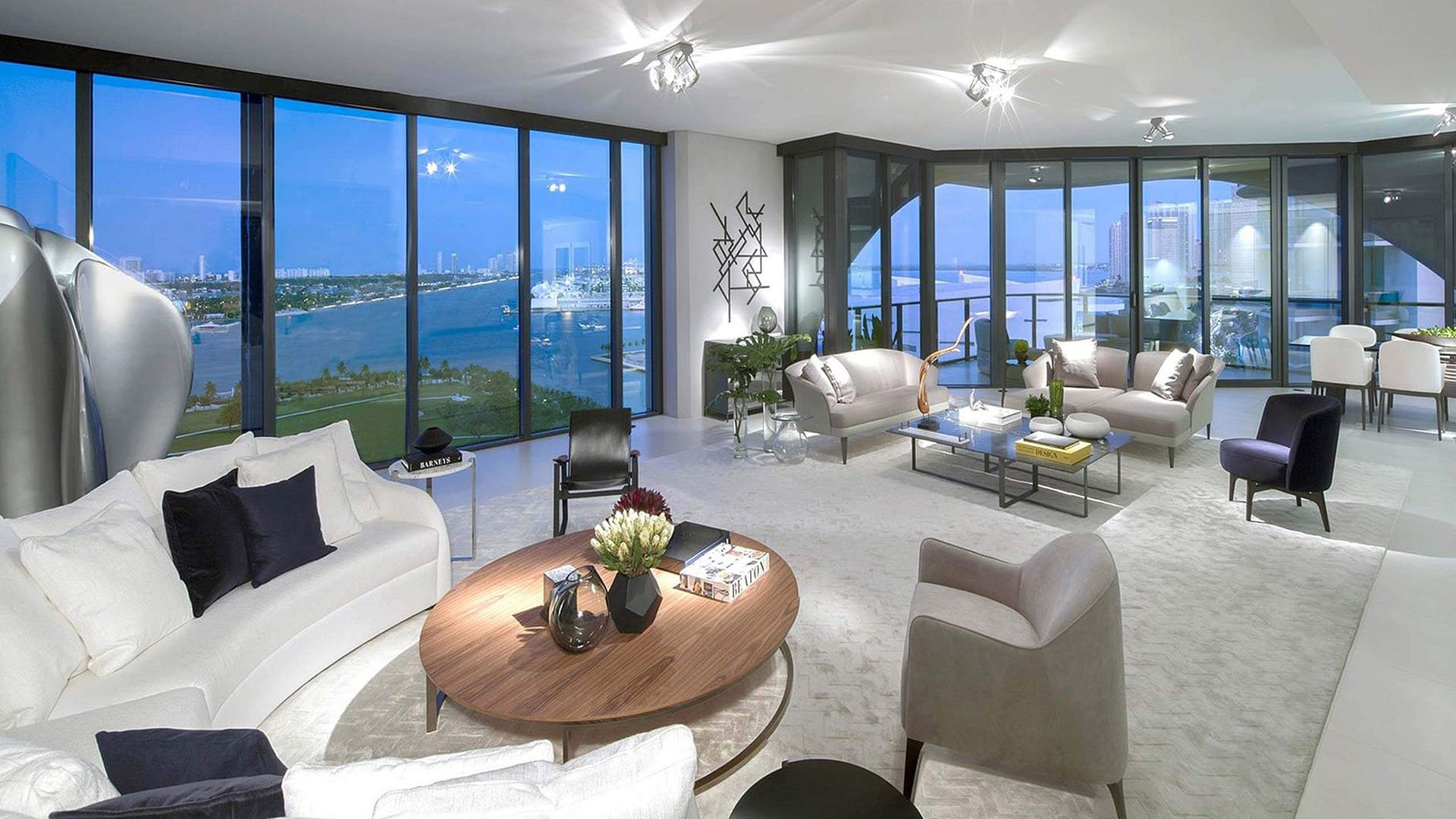
At One Thousand Museum Downtown Miami, the residence is only one part of the purchase decision. A rigorous walkthrough should also examine building operations, physical condition, governance, circulation, privacy, and daily usability.
Finishes and fixtures can be assessed quickly, but practical factors deserve equal attention. The goal is to identify questions that require documents, a second visit, or review by qualified legal, engineering, insurance, and property-inspection professionals.
Observe the approach, vehicle circulation, guest verification, security procedures, deliveries, and service access. Consider whether the process feels orderly and compatible with the buyer’s routine.
A second visit at a different hour can provide a broader view of access and activity. Buyers comparing other Downtown Miami options may also evaluate Aston Martin Residences Downtown Miami and Waldorf Astoria Residences Downtown Miami, focusing on operational fit rather than appearance alone.
Walk every room slowly and study how structural elements, glazing, doors, built-ins, and interior transitions affect furniture placement and movement. Check whether sightlines remain appealing when seated as well as standing.
Note visible conditions around windows, doors, balconies, and perimeter surfaces that may warrant professional review. Ask who is responsible for inspection, cleaning, repair, and replacement of exterior and shared components, then verify the answers in the governing documents.
Listen from bedrooms, living areas, corridors, and outdoor spaces where access is permitted. Compare conditions with mechanical systems operating and paused, and note the time of each observation.
Assess glare, shade, privacy, and nighttime visibility throughout the floor plan. Look laterally and downward as well as toward the primary view. Ask how nearby parcels or future work could affect outlook, noise, traffic, privacy, and resale appeal without assuming that any specific change will occur.
Buyers considering a different urban setting may compare these factors with The Residences at 1428 Brickell. The useful comparison is the lived experience, access pattern, outlook, and operating structure.
Time the trip between the arrival area and the residence. Observe elevator response, transfer points, corridor acoustics, service routes, and any potential friction during periods of greater demand.
Tour shared spaces with practical use in mind. Ask about access, reservations, staffing, maintenance, noise separation, guest policies, move-ins, and temporary service interruptions. Any answer that could materially affect ownership should be confirmed in current documents.
Compare physical impressions with condominium documents, budgets, reserve information, insurance summaries, inspection materials, maintenance records, and disclosures concerning assessments. Clarify responsibility for windows, balconies, exterior components, and interior effects of common-element work.
For a second residence or investment property, review staffing continuity, preventive maintenance, amenity management, and communication practices. A comparison with Casa Bella by B&B Italia Downtown Miami should distinguish observable conditions from projected services or features.
Subject to building rules, create notes for each room, window condition, sound observation, circulation delay, document request, and unanswered question. Record the hour and surrounding activity so observations have context.
Separate cosmetic items from building-level concerns, matters requiring professional review, and personal lifestyle preferences. Use a second visit to resolve open questions rather than simply repeat the initial tour.
Why should the walkthrough extend beyond finishes and views? Operations, circulation, acoustics, governance, and maintenance responsibilities can materially shape daily ownership.
When should a buyer schedule a second visit? Choose a different hour so access, noise, staffing, and shared-space activity can be compared.
What should be assessed during arrival? Observe vehicle flow, security, guest verification, deliveries, service access, and the overall ease of entry.
How should interior architecture be evaluated? Study structural elements, glazing, furniture placement, movement paths, and sightlines from seated and standing positions.
What should a buyer check around windows and balconies? Note visible conditions, ask about maintenance responsibility, and refer technical concerns to qualified professionals.
How can a buyer evaluate acoustics? Listen from multiple rooms, corridors, and permitted outdoor areas while recording the time and surrounding activity.
Why examine nearby parcels? Their status may prompt questions about possible effects on views, privacy, noise, traffic, and resale appeal.
Which circulation details deserve attention? Consider elevator response, transfer points, corridor sound, service routes, and access during busier periods.
Which records should be reviewed after the tour? Review governing documents, budgets, reserve information, insurance summaries, inspection materials, maintenance records, and assessment disclosures.
How should the final decision be organized? Separate cosmetic observations, building-level concerns, professional-review items, and lifestyle preferences before comparing options.
For a discreet conversation and a curated building-by-building shortlist, connect with MILLION.
If branded residences are on your mind — as a home or as an allocation — we would be glad to share what we are seeing, privately.
Begin a quiet conversation