A buyer-focused framework for evaluating wellness amenities, service arrangements, recurring obligations, and marketing language at Frida Kahlo Wynwood Residences.
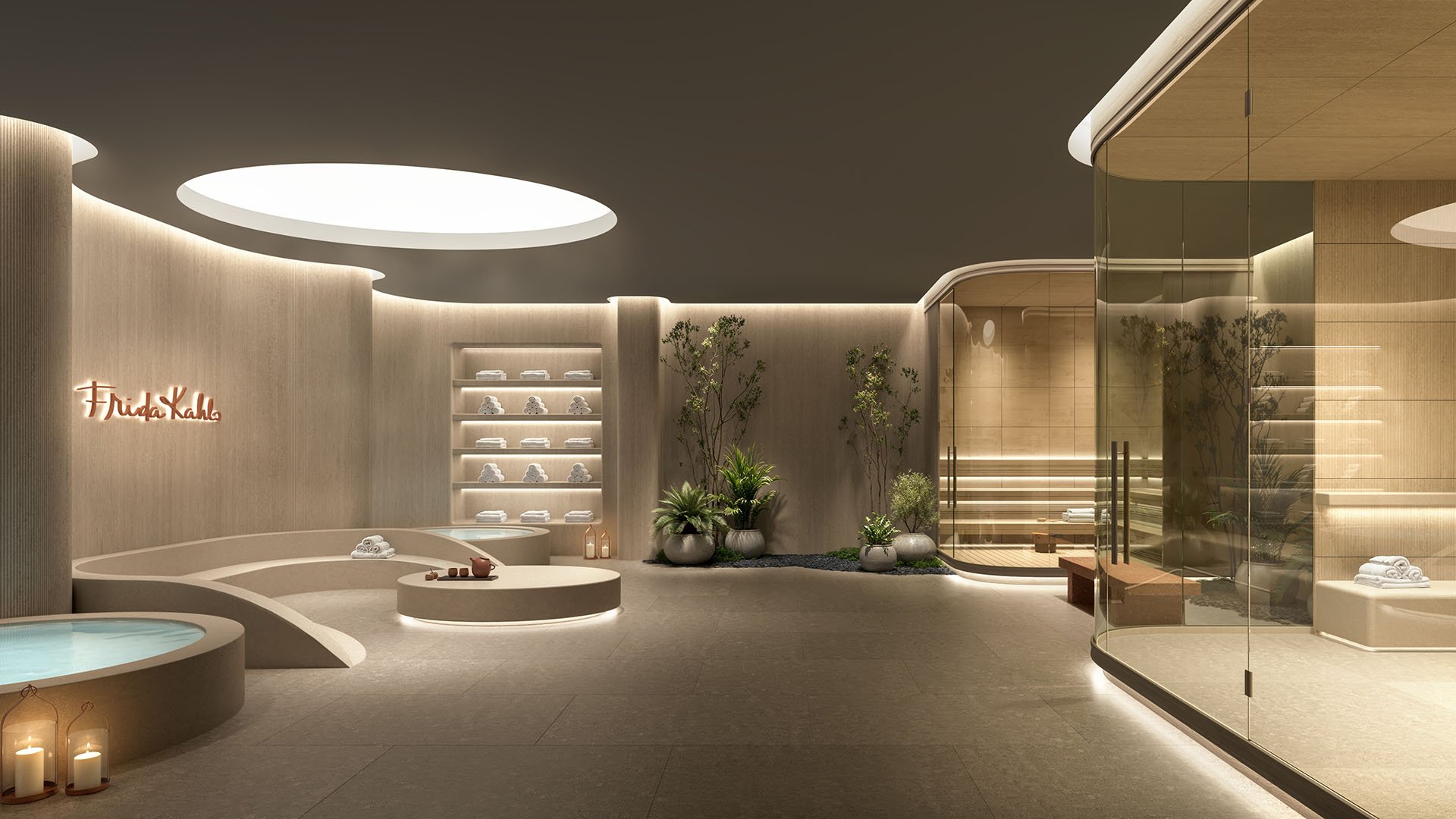
When evaluating wellness at Frida Kahlo Wynwood Residences, buyers should begin by separating physical facilities from third-party services and discretionary programming. These categories can contribute to daily life in different ways, but they do not offer the same degree of permanence or predictability.
A useful review focuses on what is shown in plans, defined in specifications, addressed in governing documents, reflected in budgets, and covered by written agreements. Descriptive language may communicate a design concept, but it does not establish dimensions, access rights, service levels, operating hours, or future costs.
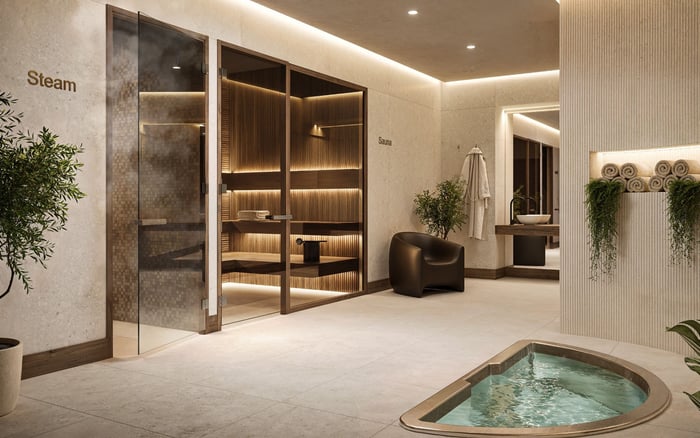
Physical infrastructure is generally the most direct category to assess. Buyers can request plans and specifications, identify where each proposed facility would be located, and determine whether it would be reserved for residents or shared with guests or other users.
Third-party services require a different analysis. The relevant questions include who provides the service, how long the arrangement lasts, which benefits are included, whether separate charges apply, and what happens if the provider or agreement changes.
Programming is typically the least durable category unless specific obligations appear in binding documents. Class schedules, consultations, events, and other activations may add convenience, but buyers should avoid treating them as permanent without clear written commitments.
The value of a wellness feature depends on how an owner expects to use it. Frequency, privacy, capacity, operating hours, reservation procedures, guest policies, and accessibility can matter more than the number of features listed in marketing materials.
Buyers should also consider operational trade-offs. A facility may require staffing, maintenance, repairs, insurance, utilities, or specialist servicing. The governing documents and budget should clarify how those obligations are allocated and whether separate fees may apply.
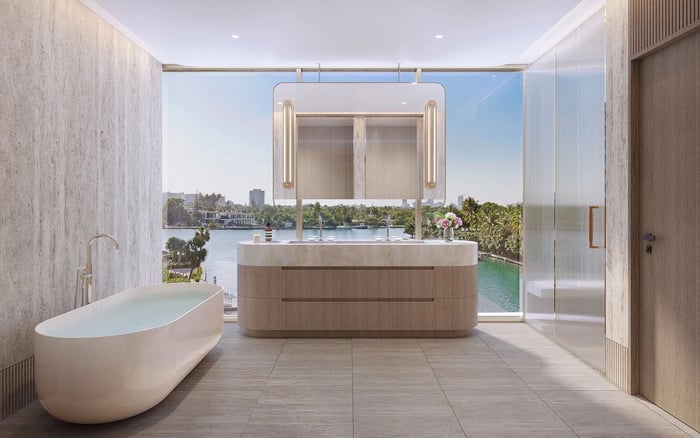
Questions about noise, circulation, shared access, and downtime are equally relevant. A compelling rendering does not explain how a space will function during peak periods or how interruptions will be handled.
If wellness access depends on a membership or service relationship, buyers should request the complete terms. The review should address eligibility, duration, renewal, cancellation, billing, household access, guest use, appointment procedures, and any services excluded from the base arrangement.
The meaning of terms such as “access,” “concierge,” or “personalized” should be established in writing. Access may describe booking privileges rather than included treatment, while concierge support may not establish continuous on-site staffing.
A buyer should also determine whether benefits attach to the unit, the original purchaser, or a named individual. That distinction can affect household use and the way a future seller may describe the offering.
Comparison is most useful when every property is reviewed with the same checklist. Buyers considering House of Wellness Brickell, The Well Bay Harbor Islands, or The Well Coconut Grove can compare available documents, physical spaces, access provisions, recurring obligations, and service terms without assuming that similar branding produces equivalent rights or benefits.
The goal is not to rank projects by the breadth of their vocabulary. It is to identify which offering best matches the buyer’s routines, risk tolerance, and willingness to pay for ongoing operations or optional services.
Wellness can support lifestyle value when the relevant spaces, rights, costs, and responsibilities are clearly documented. Buyers should give greater weight to measurable and enforceable provisions while applying a discount to concepts that remain discretionary, undefined, or dependent on renewable relationships.
How should buyers begin evaluating wellness amenities? Divide the offering into physical facilities, third-party services, and changeable programming, then verify each category separately.
Why are plans and specifications important? They can help identify the proposed location, configuration, and scope of physical facilities more reliably than descriptive marketing language.
What should buyers verify about access? Confirm who may use each space or service, whether reservations are required, and whether guest or shared-use restrictions apply.
How should third-party wellness services be reviewed? Examine the provider agreement, included benefits, separate charges, duration, renewal provisions, and consequences of a provider change.
Does “access” mean that every service is included? Not necessarily. Buyers should obtain written clarification about booking rights, included services, exclusions, and additional fees.
What operating details can affect lifestyle value? Hours, capacity, privacy, staffing, maintenance closures, reservation rules, and peak-period demand can all affect practical use.
Why should buyers review the budget? The budget can clarify anticipated operating obligations and help buyers assess how amenity-related costs may be allocated.
Can wellness programming change over time? Programming may change unless specific commitments are established in binding documents, so buyers should treat schedules and events cautiously.
How can buyers compare wellness-focused projects? Apply one checklist to each property, focusing on documented facilities, access rights, service terms, recurring obligations, and change provisions.
What deserves the most weight in a purchase decision? Give the greatest weight to documented features, enforceable rights, disclosed costs, and terms that match the buyer’s expected use.
For a discreet conversation and a curated building-by-building shortlist, connect with MILLION.
If branded residences are on your mind — as a home or as an allocation — we would be glad to share what we are seeing, privately.
Begin a quiet conversation