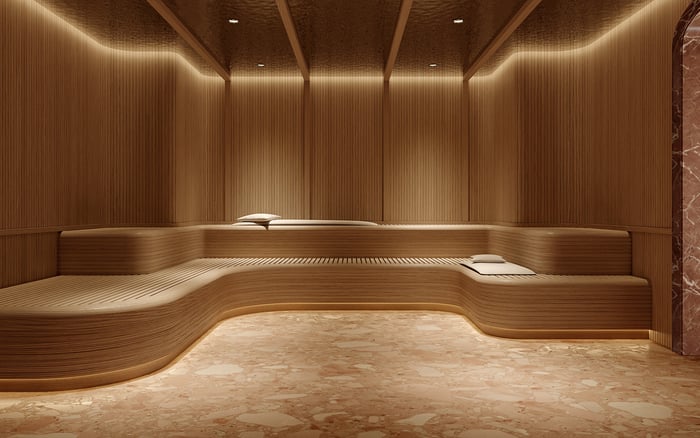
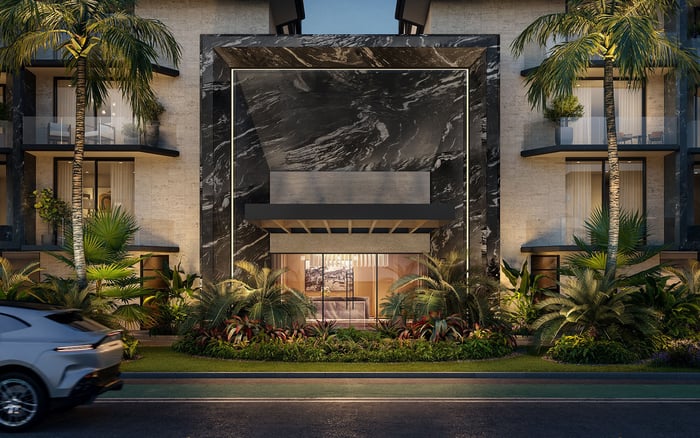
A due-diligence framework for comparing Origin Bay Harbor Islands and Alma Bay Harbor Islands through the priorities of lock-and-leave ownership, with an emphasis on verifying current amenities, services and operating details directly from project materials.

For a part-time owner, wellness-led amenity design can be evaluated as more than a collection of shared spaces. The broader ownership experience may depend on how easily a residence can be closed, left and used again after an absence.
That is a useful starting point when reviewing Origin Bay Harbor Islands and Alma Bay Harbor Islands. Because no project-specific amenity facts are established here, buyers should rely on current project documents and written disclosures rather than assume that either residence offers a particular feature or service.
Wellness can describe different elements of residential life. For one owner, it may mean convenient places to exercise or relax. For another, it may include staffed programming, appointment-based services or features inside the residence.
These categories should be reviewed separately. A physical amenity does not establish the availability of managed services, and a marketing theme does not by itself explain staffing, scheduling, access rules or recurring costs. Buyers comparing Origin and Alma should identify which elements matter to their routine and seek written confirmation for each one.
A lock-and-leave review should follow the owner's experience from departure through return. Relevant questions may cover building access, guest procedures, deliveries, parking, storage, maintenance coordination and the handling of the residence during an extended absence.
The same review should address how shared spaces are accessed and operated. Buyers can ask whether reservations are required, whether hours or guest limits apply, and whether any service depends on separate enrollment, appointments or fees. These are due-diligence questions, not claims about either project.
Bay Harbor Islands buyers may also encounter nearby residences such as Onda Bay Harbor and The Well Bay Harbor Islands while exploring the area. Each project should be assessed from its own current materials.
Features, services and operating practices should never be transferred from one development to another based on location, branding or a shared emphasis on lifestyle. A sound comparison records the source and date of every material statement and requests clarification when documents differ.
Before choosing between Origin and Alma, buyers can organize their review into three categories: the private residence, the shared amenity program and the operating model. This structure helps distinguish a design feature from a resident service and a stated offering from a contractual obligation.
Questions should be directed to the appropriate project representatives and professional advisers. Written materials should be checked for current terms, limitations, fees and availability before they influence a purchase decision.
How should buyers compare Origin and Alma? Review each project's current documents separately and compare only features, services and terms that can be verified in writing.
What does lock-and-leave ownership mean in this context? It refers to evaluating how a residence may function for an owner who leaves it unoccupied between visits.
Does wellness always mean staffed services? No. The term may refer to physical spaces, in-residence features or managed programming, so buyers should confirm what is actually offered.
Why should amenities and services be separated? A shared space and an ongoing service can involve different access rules, staffing requirements and costs.
What arrival details deserve review? Buyers may ask about access procedures, parking, deliveries, guest entry and the process for returning after an extended absence.
What departure details should buyers consider? They may review maintenance coordination, storage arrangements and any procedures relevant to leaving the residence unoccupied.
Should buyers assume nearby projects share features? No. Every development should be evaluated through its own current disclosures and operating information.
Why are current documents important? Amenity plans, service terms and operating details may require confirmation before a buyer relies on them.
What should buyers ask about shared spaces? Useful questions include access rules, operating hours, reservation requirements, guest policies and any separate fees.
What is the best way to organize due diligence? Review the residence, common amenities and operating model as distinct categories, then seek written clarification for unresolved points.
For a tailored shortlist and next-step guidance, connect with MILLION.
If branded residences are on your mind — as a home or as an allocation — we would be glad to share what we are seeing, privately.
Begin a quiet conversation