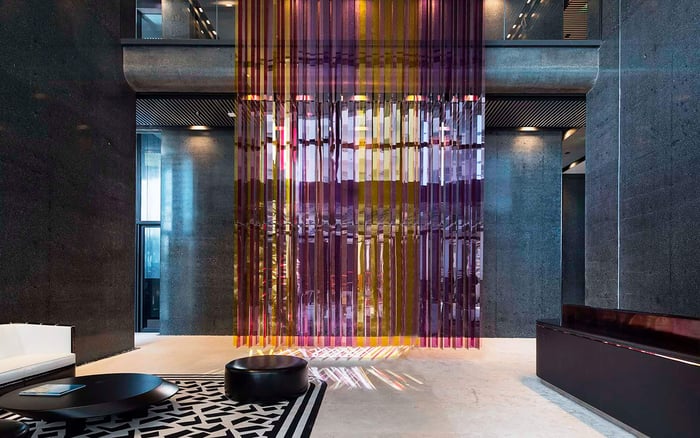
A buyer-focused framework for evaluating wellness value at Faena House Miami Beach through daily utility, access terms, operations, costs and residence-level comfort.

At Faena House Miami Beach, buyers can evaluate wellness language by asking a practical question: which features would meaningfully support their normal routines? A feature used regularly may have greater personal value than an impressive offering that is difficult to access, requires reservations or involves an additional charge.
Separate emotional appeal from verifiable utility. Design, atmosphere and service associations may matter to a buyer, but they should not be treated as substitutes for confirmed access, consistent operations or residence-level comfort.
A nearby service or destination is not necessarily part of condominium ownership. Buyers should identify which amenities are conveyed with the residence, which are maintained by the association and which are controlled by a separate operator.
This distinction is especially important when comparing hospitality-oriented residences. Setai Residences Miami Beach and Shore Club Private Collections Miami Beach can serve as comparison points for examining how ownership, branding and service arrangements differ from one property to another.
Any discussed privilege should be verified rather than inferred. Buyers should confirm eligibility, fees, reservation procedures, operating hours and whether terms may change.
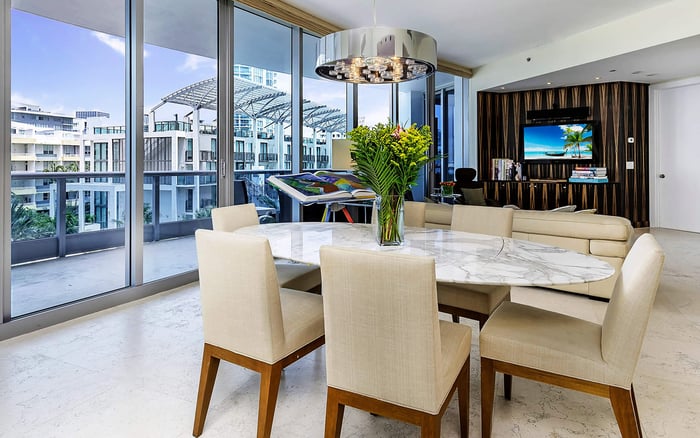
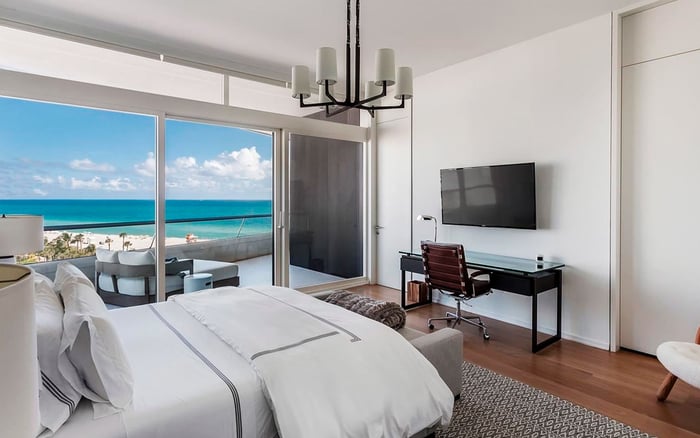
Building-wide imagery cannot establish how a particular home will feel throughout the day. Visit the residence under different conditions and consider daylight, glare, heat, privacy, noise, wind and the relationship between indoor and outdoor areas.
Usability is personal. A buyer should assess whether the layout and spaces support the household's actual habits rather than assigning value based only on appearance or amenity labels.
The same residence-specific review is useful when considering The Perigon Miami Beach. Comparisons should focus on the particular homes under consideration, not broad assumptions based on location or branding.
Amenity value depends on how an offering is operated. Ask about staffing, maintenance, scheduling, privacy, service charges and the process for resolving interruptions or changes.
Review current governing documents, association financial materials, meeting records and applicable service agreements with qualified advisers. These materials may clarify responsibility, restrictions and recurring obligations. Statements made during marketing should be checked against the documents and current management information available to the buyer.
The Ritz-Carlton Residences® Miami Beach provides another comparison context for separating brand perception from documented rights, costs and operating standards. The purpose of comparison is not to rank labels, but to determine which structure best fits the buyer's priorities.
Create a realistic usage plan before assigning a premium to wellness-oriented features. Estimate how often each relevant space or service would be used, how convenient it would be and whether it would replace another expense or commitment.
Then organize the proposition into three categories: physical elements included with the residence, association-governed amenities or services, and separately controlled experiences. This framework helps prevent proximity, branding or promotional language from being valued as a guaranteed ownership benefit.
How should buyers define wellness value at Faena House Miami Beach? Define it through features, spaces and services that fit the buyer's routine and can be verified before purchase.
Why does frequency of use matter? An offering used regularly may provide more practical value than one that is impressive but inconvenient or costly to access.
Does proximity create an ownership right? No. A nearby destination or service should not be treated as an included benefit without documentation confirming access.
What access details should a buyer verify? Confirm eligibility, fees, reservation procedures, operating hours and whether the terms can change.
Why inspect a residence under different conditions? Conditions may reveal differences in daylight, glare, heat, privacy, noise and wind that are not apparent during a single visit.
How should outdoor areas be assessed? Consider comfort, privacy, exposure and how naturally the outdoor area connects with the household's daily routine.
Which documents can help clarify amenity obligations? Current governing documents, association financial materials, meeting records and applicable service agreements can help clarify rights, costs and responsibilities.
Why do operating standards matter? Staffing, maintenance and scheduling can determine whether an amenity remains dependable and convenient in practice.
How should branded residences be compared? Compare documented rights, service structures, recurring costs and the specific residence rather than relying on brand recognition alone.
What is the best final test of a wellness claim? Ask whether the benefit is verifiable, usable, comfortable, reliably operated and worth its total cost to the household.
For a tailored shortlist and next-step guidance, connect with MILLION.
If branded residences are on your mind — as a home or as an allocation — we would be glad to share what we are seeing, privately.
Begin a quiet conversation