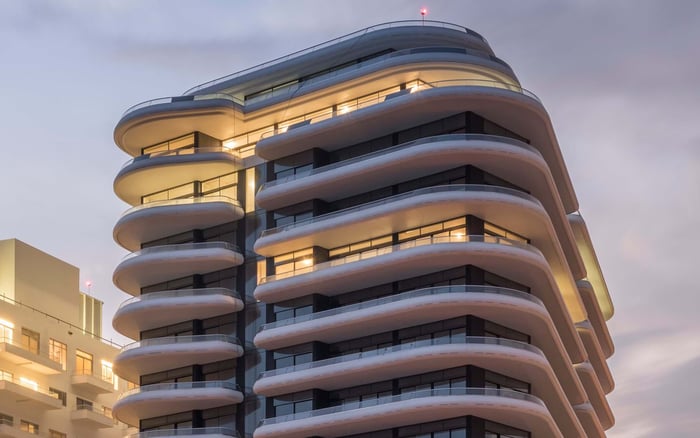
A collector-focused buyer’s guide to evaluating light, display walls, art handling, security, climate control, and renovation potential at Faena House.
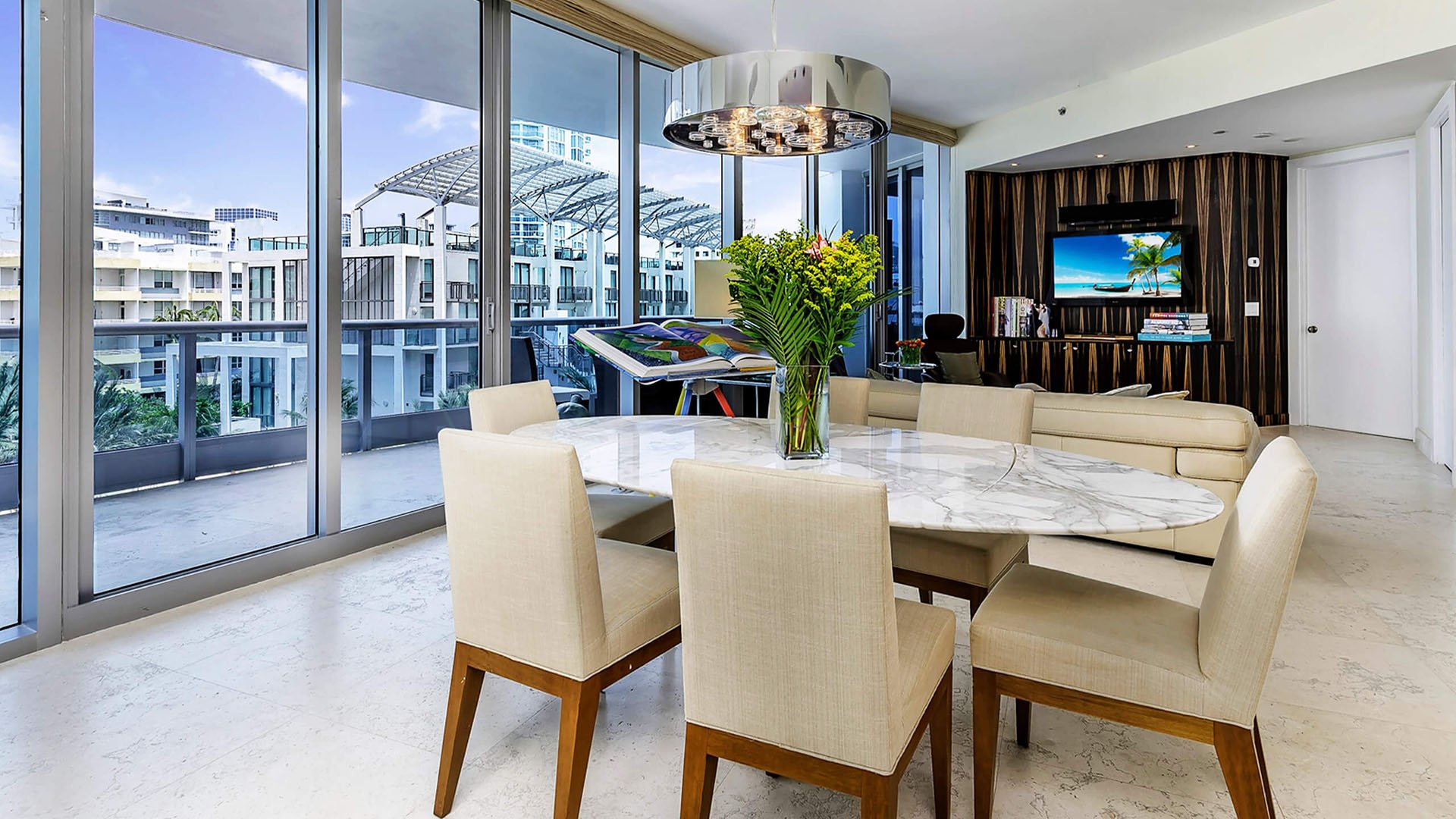
An art collector evaluating Faena House Miami Beach should treat the residence, building procedures, and proposed installation as one due-diligence exercise. The central questions concern how light reaches potential display areas, where works can be installed safely, how pieces move through the property, and whether environmental and security systems meet the collection’s requirements.
No collection-specific performance should be inferred from a luxury designation or a visual impression. Buyers should request documentation, inspect the specific residence, and engage qualified advisers before relying on any system or renovation concept.
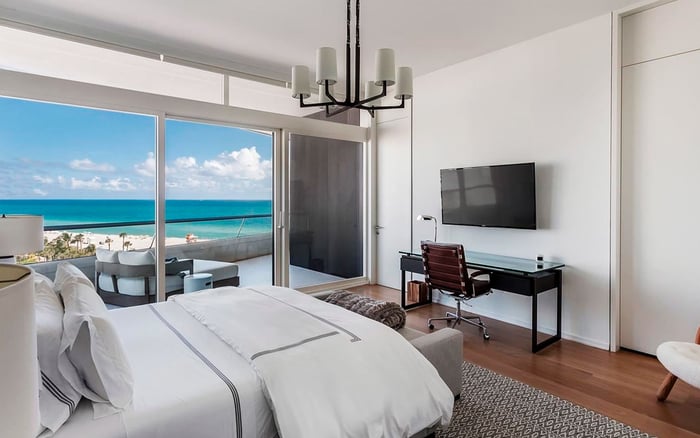
A collector should visit at different times when possible and record where direct or reflected daylight reaches proposed display positions. Glazing specifications, shade controls, and artificial-lighting plans should be reviewed with a conservator or lighting specialist rather than assessed by appearance alone.
Ask whether window treatments can be controlled by room, whether settings can be maintained while the home is vacant, and how planned lighting would support viewing after daylight is moderated. Buyers can also schedule a comparison at Setai Residences Miami Beach to refine the questions they ask about light, circulation, and potential display locations.
Create a room-by-room schedule of proposed display areas. Record clear width, height, wall material, backing, nearby doors or millwork, air-supply locations, circulation clearances, and exposure to daylight.
Large-format or heavy works require more than an apparently open wall. An architect, engineer, and professional installer should evaluate structural support, access, turning space, and attachment methods. Any proposed partition, display wall, ceiling installation, or built-in storage should be reviewed against building rules, applicable approvals, and existing systems.
The goal is not necessarily to place the maximum number of works. A stronger plan may establish a deliberate sequence, protect sensitive pieces, preserve comfortable circulation, and reserve appropriate areas for storage or rotation.
Residential comfort does not by itself establish collection-grade conditions. A mechanical consultant should assess the specific home and determine whether temperature and relative humidity can be monitored and managed in a manner appropriate to the works under consideration.
Request details about controls, zoning, sensor placement, alerts, maintenance responsibilities, condensate management, and conditions when exterior doors are opened. Buyers should also verify emergency procedures, the scope of backup power, and whether supplemental monitoring or equipment is permitted.
A separate appointment at The Perigon Miami Beach can serve as another setting in which to test a collector’s technical checklist without assuming that either property satisfies collection-specific requirements.
Before purchase, walk the proposed route for every significant work, from arrival to installation. Measure elevators, doors, landings, corridors, turns, thresholds, and any other point that could constrain movement. Confirm delivery scheduling, contractor access, protective requirements, and supervision procedures directly with management.
Security should be reviewed as a connected system rather than a single amenity. A qualified specialist can help assess authorization procedures, interior alarms, monitoring, response planning, insurance requirements, and protocols for periods when the residence is vacant.
Buyers may also retain the existing comparison option of Shore Club Private Collections Miami Beach when developing questions about arrival, privacy, and handling routes.
Prepare a confidential inventory framework showing approximate dimensions, weights, media sensitivities, preferred viewing distances, installation requirements, and storage needs. The professional team can then test the residence against the actual collection rather than a generic definition of luxury living.
Useful advisers may include an architect, conservator, mechanical consultant, structural engineer, security specialist, insurer, legal adviser, and professional art handler. Their recommendations should be coordinated so that a lighting decision does not undermine conservation, a new wall does not conflict with building systems, and a security measure does not obstruct safe handling.
Is Faena House suitable for a serious art collection? Suitability depends on the specific residence, the collection, and independently verified technical conditions. Buyers should not assume collection-grade performance without specialist review.
How should a buyer evaluate daylight exposure? Visit at different times when possible, map light at proposed display positions, and have a qualified adviser review glazing and shade specifications.
What should be measured before planning an installation? Document display dimensions, wall construction, circulation clearances, elevator and door sizes, turning space, and the full handling route.
Can a buyer add gallery walls or partitions? Any alteration should be treated as a proposal subject to structural review, building rules, applicable approvals, and coordination with existing systems.
Should UV protection be assumed? No. Obtain the relevant glazing information and ask a conservator or lighting specialist to assess it for the intended works.
Is residential climate control enough for fine art? That cannot be assumed. A mechanical consultant should evaluate temperature, relative humidity, monitoring, zoning, and maintenance for the specific residence.
What should buyers ask about backup power? Verify which systems receive emergency power, how coverage operates, and whether permitted supplemental measures are needed for the collection plan.
How should art-handling access be reviewed? Walk and measure the complete route, then confirm delivery, contractor-access, supervision, and protection procedures with management and the art handler.
Does controlled access replace an interior security plan? No. Entry procedures should be considered alongside alarms, monitoring, response protocols, insurance requirements, and vacancy planning.
Who should participate in collector-focused due diligence? The team may include an architect, conservator, mechanical consultant, engineer, security specialist, insurer, legal adviser, and professional art handler.
For a tailored shortlist and next-step guidance, connect with MILLION.
If branded residences are on your mind — as a home or as an allocation — we would be glad to share what we are seeing, privately.
Begin a quiet conversation