
For a family office planning a Palm Beach Gardens purchase from Lisbon, disciplined condominium diligence connects governing documents, structural findings, reserve funding and insurance history before capital is committed.

For a family office evaluating a move or second residence from Lisbon to Palm Beach Gardens, the acquisition decision should extend beyond the apartment itself. The view, layout and services establish personal fit. The association’s documents, capital planning and insurance position raise a different question: what financial and operational commitments accompany ownership?
The discipline is to evaluate the residence and the association together. A beautifully presented home does not establish the condition of shared components, the adequacy of reserves or the scope of insurance protection. Those questions require separate evidence and coordinated professional review.
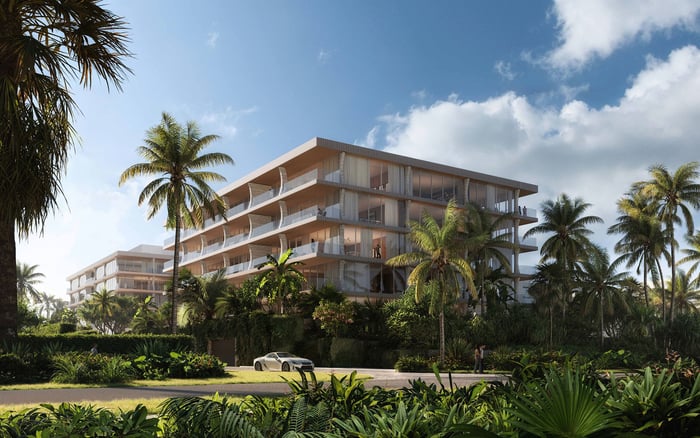
When considering The Ritz-Carlton Residences® Palm Beach Gardens, apply that discipline to the actual transaction documents rather than drawing conclusions from branding. No project name substitutes for association-specific diligence. The Lisbon starting point makes coordination especially useful, but this review concerns Florida condominium ownership-not Portuguese tax residence, immigration or cross-border structuring.
Florida’s 2022 SB 4-D established milestone structural inspections and structural-integrity reserve requirements for qualifying condominium and cooperative buildings. It also introduced restrictions on waiving or underfunding reserves for specified structural components. That history explains why yesterday’s low dues are an insufficient guide to tomorrow’s ownership costs.
The original legislation should not, however, be treated as a verified current compliance calendar. Have Florida real-estate counsel confirm the requirements, deadlines and reserve-funding rules that apply to the building and transaction today. Do not base an acquisition decision on an older coastal-age threshold or a general assurance that the association is compliant.
For the family office, the practical deliverable is a written account distinguishing obligations already satisfied, work still required and questions awaiting confirmation. Legal applicability and engineering condition should remain separate workstreams until advisers reconcile them.
Begin with the declaration of condominium, articles, bylaws and rules. Read them alongside the latest budget and year-to-date financial statements to consider legal obligations and current spending together. Counsel should identify provisions material to the family’s intended use and financial responsibilities.
Request three years of association financial statements, the latest reserve study and funding plan, and a current reserve-balance statement. Add 12-24 months of board and membership minutes. These are recommended review periods, not a statement that every item is a mandatory seller disclosure.
Minutes can reveal discussions about borrowing, deferred maintenance, planned projects and prospective assessments that a single budget cannot explain. Ask advisers to connect those discussions to subsequent decisions and funding arrangements. Distinguish unresolved proposals from approved expenditures.
If the search extends into West Palm Beach to include Alba West Palm Beach, retain the same document framework. Record whether each item is applicable, available and reviewed. An unavailable historical record is not evidence of either strength or weakness.
A milestone inspection addresses structural safety. It begins with a visual structural assessment; identified substantial structural deterioration triggers a more detailed Phase 2 investigation. Request the actual milestone findings and any Phase 2 material, not simply confirmation that an inspection was completed.
A Structural Integrity Reserve Study, or SIRS, addresses component costs and reserve funding. It identifies covered components, estimated remaining useful lives, replacement-cost assumptions and a funding plan. It is not a safety inspection, and its existence does not answer every question about structural condition.
For older or coastal properties, extend the engineering review to relevant roof, balcony, building-envelope, garage and recertification material. Have an engineer explain how those findings relate to the milestone inspection and reserve assumptions. The objective is a coherent account of condition, recommended work and timing-not merely a folder of completed studies.
Ask the engineer to distinguish identified deterioration, recommended investigations and planned maintenance. This helps the family office separate safety questions from capital scheduling without reducing both to a single reassuring or alarming label.
Compare actual reserve balances and budgeted contributions with SIRS recommendations. The question is not simply how much money sits in reserve, but whether the funding trajectory aligns with the work and timing contemplated by the study.
Have advisers test the relationship among remaining useful lives, replacement-cost assumptions, scheduled contributions and planned expenditures. A mismatch may indicate exposure to higher dues or special assessments; it does not, by itself, establish a particular future charge.
Compile past special assessments and planned capital projects by purpose, amount and funding method. Distinguish recurring capital demands from isolated projects, and check whether board discussions point to additional work beyond the current budget. Historical dues should be one input, not the underwriting conclusion.
For a broader Palm Beach area comparison that includes Forté on Flagler West Palm Beach, compare documented obligations rather than headline carrying costs alone. These project references identify possible search contexts, not findings about any association’s reserves, structural condition or insurance.
Obtain the association’s insurance certificates or declarations, policy limits, and windstorm and flood deductibles. These documents help define coverage and retained exposure. Have an insurance adviser interpret them rather than reducing the review to a single insured-value figure.
Request claims history separately, with particular attention to hurricane and water-intrusion losses. Current coverage and historical losses answer different questions. Ask the adviser to consider both alongside engineering findings and available documentation of related repairs.
Claims history can inform underwriting review. It does not establish that a building is on an insurer’s watch list or predict a specific premium increase. Where uncertainty remains, record it explicitly rather than inserting an unsupported cost forecast into the ownership budget.
Request an estoppel certificate to establish association charges and assessment obligations attributable to the residence. Have counsel reconcile that information with the contract and the association’s financial materials. A building-wide capital discussion and a unit-specific payment obligation are related, but not interchangeable.
Before committing capital, bring counsel, the engineer and the insurance adviser into one decision review. The family office should leave with confirmed obligations, unresolved questions and a reasoned view of potential capital exposure. That is the foundation for enjoying the residence without mistaking an elegant presentation for a complete ownership picture.
Explore South Florida residences with a considered ownership perspective at MILLION.
If branded residences are on your mind — as a home or as an allocation — we would be glad to share what we are seeing, privately.
Begin a quiet conversationReview the association’s governing documents, finances, structural findings, reserve funding and insurance position. These establish obligations that the apartment’s presentation alone cannot reveal.
Request the declaration of condominium, articles, bylaws and rules, together with the latest budget and year-to-date financial statements. Counsel should review them for obligations relevant to the intended ownership.
A recommended review includes three years of financial statements and 12–24 months of board and membership minutes. These are diligence recommendations, not a verified list of mandatory seller disclosures.
No. A SIRS addresses component costs and reserve funding, while a milestone inspection addresses structural safety.
Identified substantial structural deterioration in the initial visual assessment triggers a more detailed Phase 2 investigation. Buyers should request the actual findings, not simply confirmation that an inspection occurred.


The original legislation should not be treated as a verified current timetable. Florida real-estate counsel should confirm the requirements applicable to the building today.
Compare actual reserve balances and budgeted contributions with SIRS recommendations, planned work and timing. A mismatch may indicate exposure to higher dues or special assessments without establishing a specific future charge.
Request association insurance certificates or declarations, policy limits, windstorm and flood deductibles, and claims history. An insurance adviser should evaluate coverage and historical losses together.
No. Claims history can inform underwriting review, but it does not establish an insurer watch-list designation or predict a specific premium increase.
An estoppel certificate helps establish association charges and assessment obligations attributable to that residence. Counsel should reconcile it with the contract and association financial materials.