A buyer-focused framework for evaluating the full annual cost of ownership at Ocean House Surfside, from association insurance and reserves to coastal maintenance, vacancy care, and seasonal staffing.
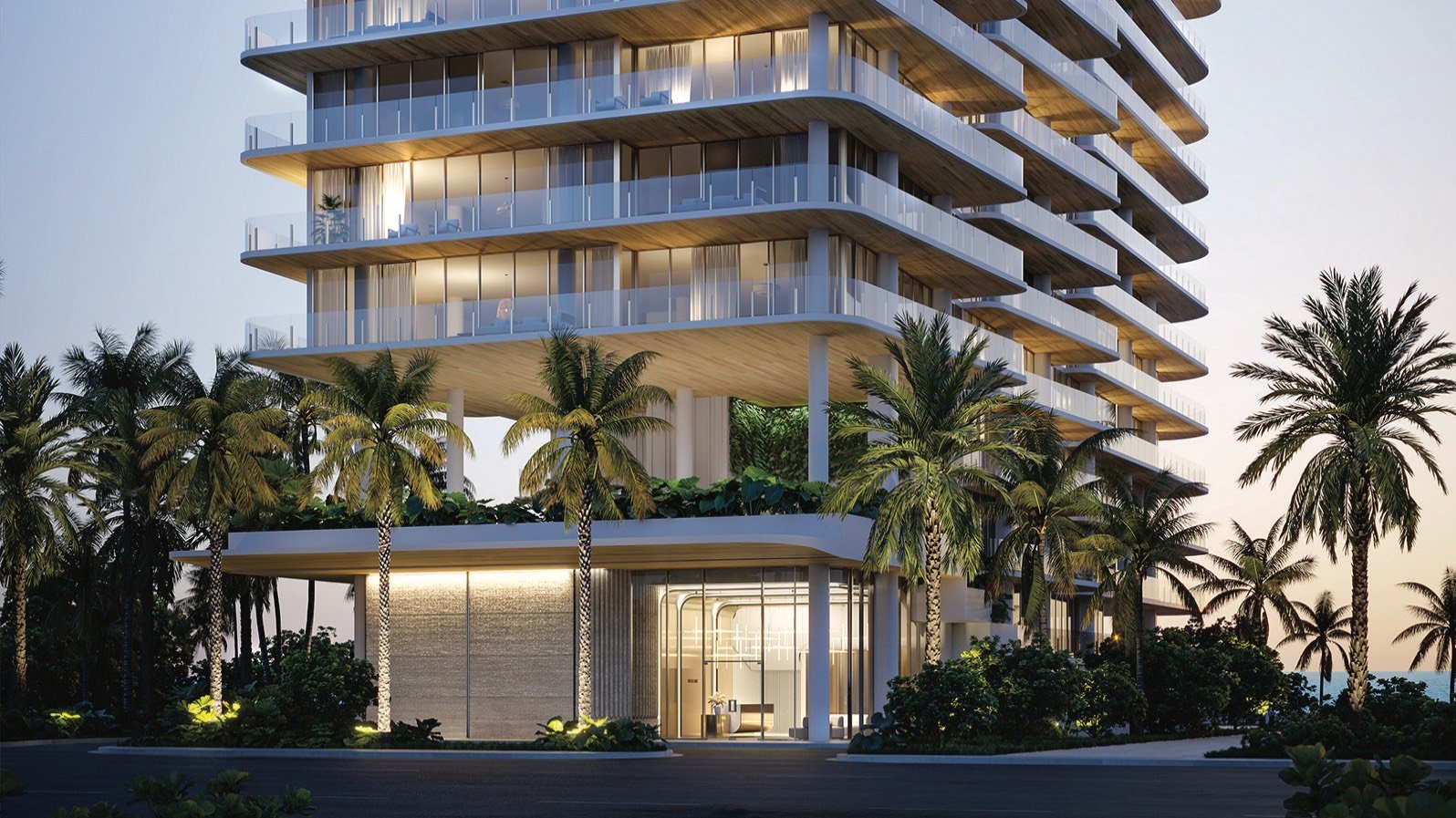
Ocean House Surfside is positioned as a boutique luxury oceanfront condominium in Surfside, Miami-Dade County. For a buyer, however, architectural appeal and Atlantic frontage are only the opening considerations. The more consequential exercise is determining the annual cost of holding, protecting, and servicing the residence.
The condominium’s current association budget, reserve balance, insurance premiums, and staffing payroll are not publicly disclosed. Any credible estimate must therefore be built from current association documents, unit-specific insurance quotations, anticipated occupancy, and the owner’s preferred service standard.
This buyer’s guide provides a framework rather than a quoted budget. It is especially relevant to a second-home buyer whose residence may remain unoccupied for extended periods.
The clearest underwriting model separates fixed charges, variable operating expenses, and long-term capital allowances.
Fixed costs can include association dues, property taxes, association-level insurance funded through the budget, and unit-owner insurance. Flood coverage may be separate where required and should never be presumed to fall within a standard unit policy. These obligations can continue whether the residence is occupied for ten months or ten days.
Variable costs reflect personal use and service expectations. Utilities, housekeeping, private residence management, pre-arrival preparation, post-departure cleaning, and in-unit maintenance may rise with occupancy. A third layer should account for repairs, replacements, and potential special assessments.
This structure also creates a more disciplined comparison. A buyer considering Arte Surfside alongside Ocean House should compare like with like rather than weigh one association fee against another without examining what each budget includes.
Condominium insurance is generally divided between the association and the individual owner. The association typically insures common elements and association property, while the owner needs distinct protection for unit interiors, personal property, and other exposures specified by the policy and condominium documents.
The critical issue is the boundary between those policies. Buyers should ask counsel and an insurance adviser to identify deductibles, exclusions, covered property, flood requirements, and any owner obligations following a loss. A broad coastal benchmark places insurance costs 39 percent above national levels, but that figure is not an Ocean House Surfside quotation and should not be treated as one.
The same discipline applies when evaluating nearby oceanfront options such as Fendi Château Residences Surfside. Waterfront underwriting must be property- and unit-specific, even when buildings share the same coastal setting.
Regular dues indicate current cash flow; reserves reveal the building’s capacity to absorb future work. Underfunded reserves can increase exposure to special assessments or higher recurring fees. Florida condominium owners may face special assessments in addition to regular association charges, making assessment history as important as the current budget.
A buyer should review the latest reserve information, the assumptions behind planned contributions, recent assessment history, and any major repair or replacement obligations reflected in association records. A comparatively modest monthly fee is not automatically economical if paired with limited reserves or substantial deferred needs.
Coastal properties generally warrant higher maintenance and reserve allowances than comparable inland residences because weather and salt-air exposure can accelerate wear. Relevant work can include inspections, cleaning, corrosion-related care, and service for systems exposed to coastal conditions.
A broad beachfront benchmark suggests setting aside 1.5 to 2.5 percent of property value for maintenance. It is not an Ocean House estimate, and applying it mechanically to an ultra-premium condominium could distort the result. A more useful approach separates association-maintained components from the owner’s interiors, equipment, furnishings, terraces, and private service needs.
When comparing The Delmore Surfside or another oceanfront residence, buyers should normalize both the maintenance scope and the standard of finish being protected.
Seasonal ownership does not mean seasonal risk. During an extended absence, the residence may still require periodic inspections, cleaning, HVAC attention, leak awareness, and storm-readiness routines. Pre-arrival and post-departure services can add another layer.
No reliable public figure is available for seasonal staffing at Ocean House Surfside. Owners should therefore define the desired operating model before requesting proposals. At one end is periodic vacancy inspection; at the other is comprehensive residence management coordinating vendors, housekeeping, climate settings, deliveries, and arrival preparation.
The underwriting should also distinguish association staff from privately retained personnel. Building payroll may be embedded in association dues, while in-residence housekeeping and management are usually personal operating choices. Without that separation, buyers risk counting a service twice-or omitting it entirely.
Before contract deadlines pass, request the latest association budget, reserve information, insurance summary, and special-assessment history. Review what dues cover, which utilities or services remain owner-paid, and whether known obligations could alter future charges.
Then add unit-level insurance, any required flood coverage, property taxes, utilities, private maintenance, housekeeping, vacancy management, and an owner-controlled contingency. The result is a more defensible annual figure than the monthly association fee multiplied by twelve.
For buyers comparing Surfside properties, The Surf Club Four Seasons Surfside can be placed within the same analytical framework, but each residence still requires its own documents and service assumptions. The objective is not to identify the lowest headline fee. It is to understand the full cost of preserving a luxury coastal asset at the standard its owner expects.
Are Ocean House Surfside association dues publicly disclosed? The current association budget and dues are not publicly disclosed. Buyers should obtain the current association documents.
What does the association’s insurance generally cover? It generally covers common elements and association property, subject to the actual policy terms.
Does an owner still need a separate insurance policy? Yes. Owners generally need coverage for unit interiors, personal property, and applicable personal exposures.
Is flood insurance automatically included? It should not be assumed. Flood coverage may be a separate expense where required.
Why are reserves important to a buyer? Reserves help fund major repairs and replacements. Weak reserves can increase exposure to assessments or fee increases.
Can owners face costs beyond regular dues? Yes. Property taxes, insurance, flood coverage where required, personal services, and special assessments may apply.
Do carrying costs fall sharply when a residence is vacant? Not necessarily. Many fixed expenses continue regardless of personal occupancy.
What care may a vacant residence require? Periodic inspections, cleaning, HVAC attention, and storm-readiness routines may be appropriate.
Is the 1.5 to 2.5 percent maintenance benchmark specific to Ocean House? No. It is a broad beachfront benchmark, not a verified estimate for this condominium.
Which records matter most before purchasing? Review the latest budget, reserve information, insurance summary, assessment history, and the division of association and owner responsibilities.
For a tailored shortlist and next-step guidance, connect with MILLION.
If branded residences are on your mind — as a home or as an allocation — we would be glad to share what we are seeing, privately.
Begin a quiet conversation