A buyer-focused guide to evaluating One Thousand Museum’s reserve liquidity, investment policy, litigation disclosures, and potential capital obligations before closing, without confusing alleged funding gaps with approved assessments.
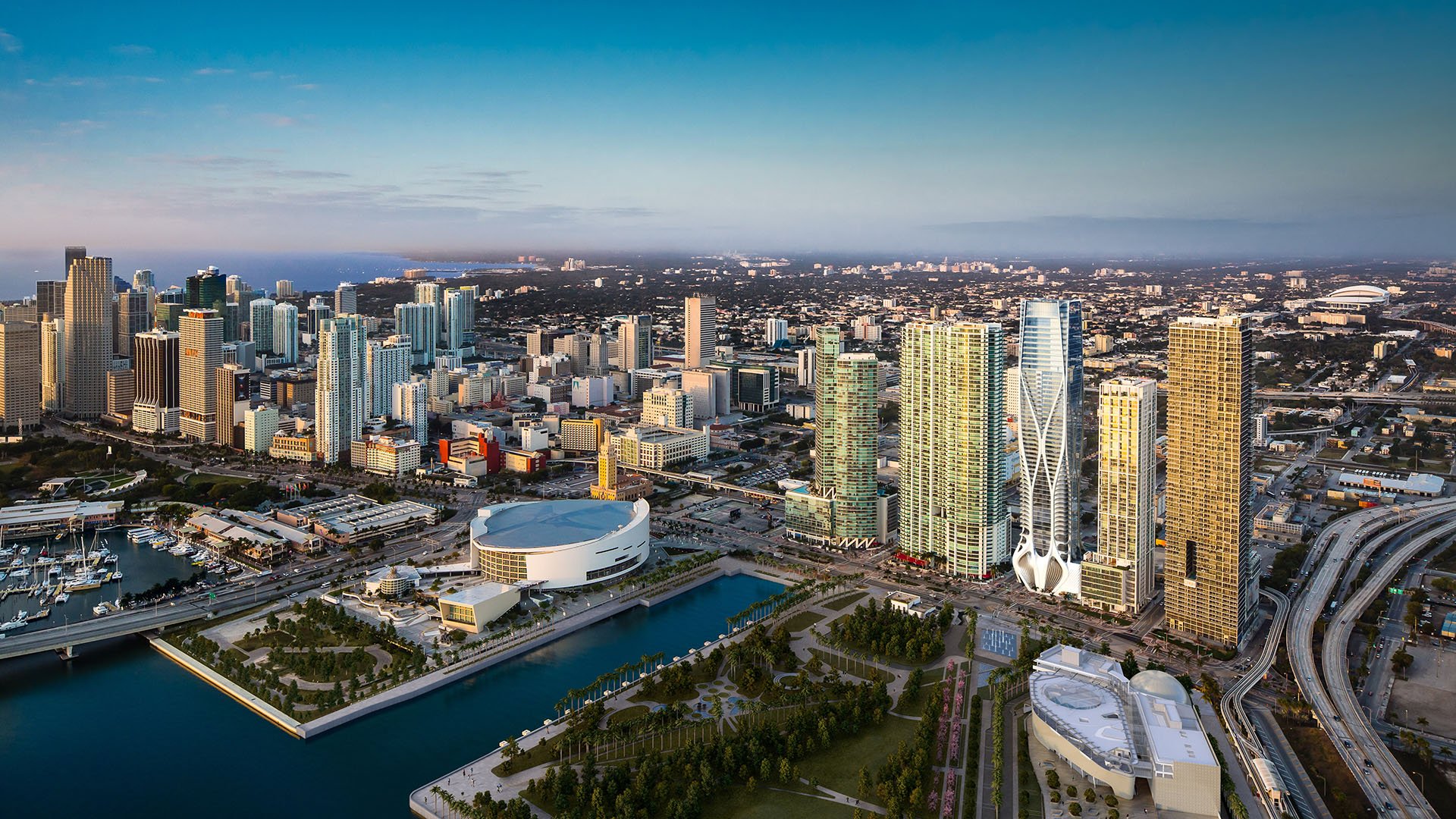
At One Thousand Museum Downtown Miami, Zaha Hadid’s architecture gives the purchase an unmistakable identity. Yet the move from offer to ownership requires a quieter examination: how the association funds its obligations, where reserve money sits, and when an owner might be asked to contribute additional capital.
For a Downtown Miami buyer, these questions belong alongside the residence’s layout and purchase price. Enjoying an exceptional home and understanding its financial commitments are distinct considerations. A reserve contribution in the monthly fee does not, by itself, establish that sufficient cash is available for future work.
The starting point is not an assessment forecast. It is a document-based review that separates historical allegations, present liquidity, and approved future obligations.
The condominium association sued the developer over an allegedly unlawful, developer-controlled vote to waive reserve funding in December 2020. The disputed waiver concerned the association’s third fiscal year. The association alleges that the vote exceeded statutory limits on developer reserve waivers and failed to satisfy certain voting-certification requirements.
The alleged funding gap is approximately $1.4 million. That figure is not a verified current reserve balance, an approved special assessment, or an individual owner’s liability. The allegations remain contested and should not be presented as an adjudicated finding.
The reserve dispute was the association’s second lawsuit against the developer within roughly a year. An earlier action, filed in February 2025, concerned alleged construction defects. The allegedly missing contributions could also affect major repairs and ongoing maintenance.
For buyers, these matters warrant careful review of litigation disclosures and capital planning. They do not establish a confirmed capital-call date, and a possible recovery should not be treated as cash already available to fund work.
Before committing to the financial terms, request the current operating budget, financial statements, reserve studies, any structural integrity reserve study, insurance details, recent meeting minutes, assessment notices, and litigation disclosures. Obtain a current unit-specific estoppel as part of the closing review.
Read these materials together rather than treating each as a separate clearance. The budget shows planned contributions and expenses. Financial statements help distinguish recorded balances from cash actually held. Reserve studies and capital schedules connect funding to anticipated work, while minutes may reveal discussions not yet reflected in a formal assessment notice.
Ask management to reconcile material differences among the documents. If a funding proposal appears in minutes but not in the adopted budget, establish its status. If repair costs remain preliminary, distinguish an estimate from an approved contract.
A purchaser also considering Aston Martin Residences Downtown Miami can apply the same questions to each property. This is a framework for comparing ownership obligations, not a suggestion that another building shares One Thousand Museum’s disputes.
Reserve adequacy asks whether funding is sufficient for anticipated obligations. Reserve liquidity asks whether money can be accessed when payment is required. A sound review addresses both rather than relying on a single reserve total.
Request current reserve-bank balances, the allocation of funds by component, and any restrictions on their use. Compare accessible cash with the anticipated sequence of expenditures. Ask whether amounts presented as reserves include investments that mature after a planned payment date or sums committed to other work.
The available information does not establish One Thousand Museum’s current reserve-bank balances, component-level funding, or structural integrity reserve study findings. These questions remain matters for direct documentary diligence.
Insurance deserves a parallel review. Request coverage details and applicable deductibles, then ask how the association plans to fund any relevant owner-level exposure through its budget or other mechanisms. Do not assume that insurance included in monthly fees eliminates every possible additional cost.
An adopted reserve investment policy has not been established here. Buyers should request the actual policy, if one exists, along with current holdings and maturity information, rather than infer an approach from the building’s positioning.
Review permitted investments, access to principal, maturity dates, custody, and authority to approve transactions. Ask who monitors compliance and how the association coordinates investment maturities with expected repair payments. These are diligence questions, not descriptions of One Thousand Museum’s current practices.
Evaluate any yield objective alongside the need to preserve funds and meet scheduled obligations. Money designated for a near-term payment should be assessed differently from funds intended for later work.
For a broader search extending into Brickell, the same discipline can inform a review of Una Residences Brickell. Compare the documents and projected obligations available for each purchase without assuming equivalent policies or financial conditions.
Monthly association fees are listed at approximately $9,044 to $18,088, depending on the residence. These figures do not replace the actual unit’s current estoppel and payment schedule.
Listed inclusions encompass common areas, insurance, structural maintenance, recreational facilities, security, internet, hot water, water, sewer, and trash. A reserve-fund component is also listed, but its presence does not quantify reserve adequacy or available cash.
Build the ownership model from verified unit-specific charges. Then stress-test higher dues and a hypothetical special assessment, labeling both as scenarios rather than forecasts. Keep the recurring operating budget distinct from any allowance for additional capital.
For an investment purchase or second home, that separation clarifies the financial decision. The question is not simply whether the buyer can absorb an unexpected payment, but whether the total commitment remains acceptable under less favorable assumptions.
The contract should address who pays assessments approved before closing, including installments that become due afterward. Have counsel specify the allocation rather than rely on an informal understanding or assume that approval and payment occur together.
Before closing, refresh the estoppel and request any intervening assessment notices, budget changes, material meeting decisions, or litigation updates. Compare new information with the assumptions used when making the offer. A proposal, an adopted assessment, and a scheduled installment represent different stages of a potential capital obligation.
No confirmed capital-call date has been established here. The appropriate response is neither alarm nor complacency: verify available funds, understand the policy governing them, and define contractual responsibility before ownership changes hands.
For a discreet perspective on South Florida condominium ownership, explore MILLION.
If branded residences are on your mind — as a home or as an allocation — we would be glad to share what we are seeing, privately.
Begin a quiet conversationThe association alleges that a developer-controlled December 2020 vote unlawfully waived reserve funding for its third fiscal year. The allegations remain contested and are not presented as adjudicated findings.
No. It is an alleged funding shortfall, not a verified current reserve balance, approved assessment, or individual owner’s liability.
No confirmed capital-call date is established here. Buyers should review current assessment notices, meeting minutes, and adopted funding decisions.
Available listing figures range from approximately $9,044 to $18,088, depending on the residence. Verify the actual unit’s charges through a current estoppel and payment schedule.
No. A listed reserve contribution does not establish the association’s current reserve balance, funding adequacy, or liquidity.
Adequacy concerns whether funding is sufficient for anticipated obligations. Liquidity concerns whether funds can be accessed when payments are due.
An adopted policy and its details have not been established here. Request the actual policy, current holdings, maturity information, and custody arrangements.
Request budgets, financial statements, reserve studies, any structural integrity reserve study, insurance details, recent minutes, assessment notices, litigation disclosures, and a current estoppel.
The purchase contract should expressly allocate responsibility, including installments due after closing. Have counsel review the wording rather than rely on an informal understanding.
The February 2025 action concerns alleged construction defects, not established findings. Review current litigation disclosures and do not treat a possible recovery as available reserve cash.