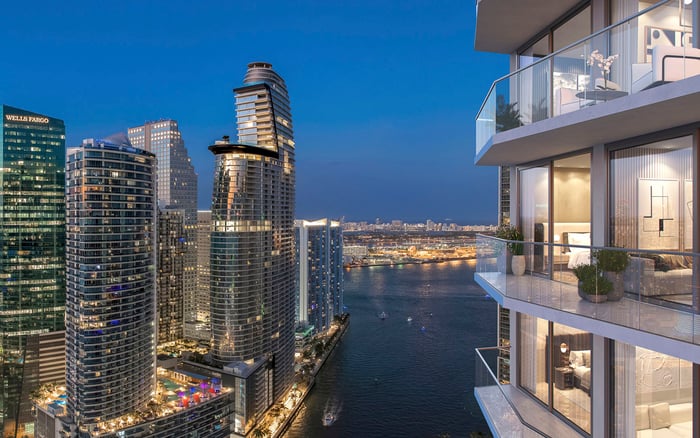
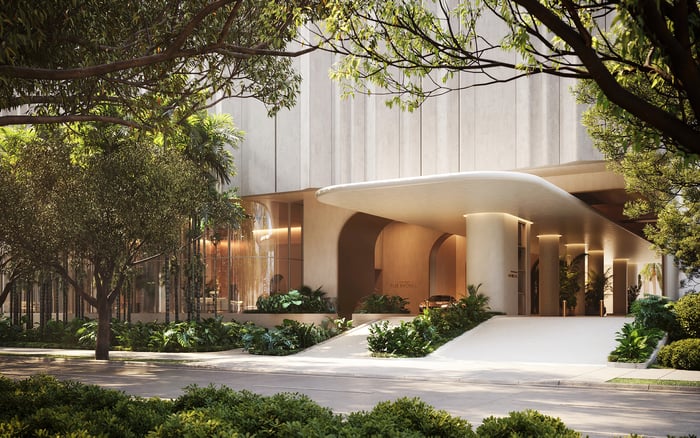
A buyer-oriented neighborhood scorecard for comparing Brickell Heights and Richmond House Miami through the lens of daily walkability, luxury convenience, privacy, mobility, and long-term ownership logic.

Walkability is often treated as a simple convenience. In South Florida luxury real estate, it functions more like a lifestyle asset. A genuinely walkable address reduces friction: fewer short car trips, easier dining plans, faster errands, and a smoother transition between home, work, wellness, and social life. For a buyer comparing Brickell Heights with Richmond House Miami, the question is not simply which address sits closer to more destinations. The sharper question is which address supports the way you actually live.
That distinction matters. A high-functioning pedestrian routine for one owner may mean morning coffee, fitness, office access, and dinner within a compact urban radius. For another, it may mean quiet streets, a calmer return home, and selective walkability rather than constant activity at the front door. The strongest scorecard therefore combines proximity, comfort, predictability, and personal tolerance for urban energy.
Brickell has a clear identity in Miami: vertical, business-oriented, restaurant-rich, and shaped around residents who value immediacy. For buyers focused on Brickell, the appeal is not just proximity to activity. It is the ability to treat the neighborhood as an extension of the residence. The daily pattern can feel efficient when meetings, dining, fitness, services, and social plans cluster within a compact urban field.
Still, density is not the same as ease. Walkability at Brickell Heights should be judged by how comfortable the surrounding streets feel at the hours you will use them most. A lunch-hour route, an evening arrival, and a weekend morning errand can each reveal a different version of the same neighborhood. A polished buyer will test all three before assigning value.
Brickell Heights is best suited to the owner who wants the city close, visible, and useful. It may also resonate with investment buyers who believe lifestyle convenience supports long-term demand. For this profile, the building is not simply a private retreat. It is a launch point into a high-frequency urban routine.
Richmond House Miami requires a more address-specific evaluation. Rather than relying on broad assumptions, the prudent buyer should examine how the immediate blocks perform, not just how the name reads in a listing presentation. The real score is found at sidewalk level: the quality of crossings, shade, lighting, traffic rhythm, nearby daily needs, and the ease of returning home after dinner or errands.
For some buyers, a less intense setting can be a strength. Walkability does not always mean maximum density. It can mean a calmer daily orbit, less noise, and a sense of separation from the most active commercial corridors. If Richmond House Miami offers surroundings that support your preferred routine, its value may come from balance rather than bustle.
This is where the comparison becomes personal. A buyer who wants to step directly into a dense urban pattern may lean one way. A buyer who prioritizes a quieter arrival sequence, easier guest experience, or a more residential tone may evaluate Richmond House Miami differently. The point is not to crown a universal winner. It is to identify which address makes ordinary days feel more considered.
A useful walkability scorecard begins with time. How many minutes does it take to complete the errands you repeat most often? Not the errands imagined for a brochure, but the real ones: coffee, pharmacy, groceries, salon, gym, casual dinner, dry cleaning, and pet care. If these needs require constant car use, the walkability premium narrows.
Next comes comfort. Miami heat, afternoon rain, street crossings, and traffic noise can change the lived experience of a short walk. A route that looks effortless on a map may feel less graceful in formal clothes, with guests, or with children. Luxury buyers should value shaded, intuitive, low-stress movement as much as raw proximity.
Third is optionality. The strongest pedestrian neighborhoods do not depend on one restaurant, one market, or one preferred route. They offer choices. This matters for rent and resale strategy as well as personal enjoyment, because future occupants may not share the same tastes. A flexible neighborhood can support different lifestyles over time.
Finally, consider privacy. A highly active setting can be energizing, but it can also mean more noise, more congestion, and less discretion. The ideal address gives the owner access to the city without allowing the residence to feel consumed by it. That balance is where luxury walkability becomes more than convenience.
The strongest comparison is made in person and at the right times. Visit during the morning routine, late afternoon traffic, dinner hour, and a quiet weekend window. Walk the routes you would actually use. Time them without rushing. Notice whether crossings feel natural, whether sidewalks feel comfortable, and whether the final approach home feels composed.
Buyers with pets should be especially practical. The question is not only whether a pet policy works inside the building, but whether the surrounding walks feel pleasant, shaded, and repeatable. A neighborhood can be fashionable and still be inconvenient for daily pet routines.
It is also worth separating weekday needs from weekend desires. Brickell and Downtown can feel different depending on the hour and the season. A residence that performs beautifully for professional life may feel different for slow Saturday living. Conversely, a calmer address may feel elegant on weekends but less efficient during the workweek. The right choice is the one that reduces the most friction across your actual calendar.
If your ideal Miami life is built around a dense, high-service, city-core rhythm, Brickell Heights deserves serious attention. Its appeal lies in immediacy and the ability to live much of the day within a compact urban framework. For buyers who view time as the highest luxury, that can be compelling.
If your priority is a more measured residential experience, Richmond House Miami should be assessed through the lens of calm, access, and daily comfort. Its strongest case will depend on how well its immediate surroundings support your personal routine, not on a generic neighborhood label.
The most useful scorecard is not a fixed number. It is the answer to a simple question: which address makes your ordinary day feel more elegant, less interrupted, and easier to repeat?
Is Brickell Heights more walkable than Richmond House Miami? It depends on the specific routine being measured. Brickell Heights is best assessed for city-core convenience, while Richmond House Miami should be evaluated block by block.
What should luxury buyers test first when comparing walkability? Test repeated daily needs such as coffee, groceries, fitness, dining, pet care, and transportation access. The best address makes those routines feel effortless.
Should buyers rely on a single walkability score? No. A single score cannot capture heat, traffic, noise, privacy, shade, or the feeling of returning home at night.
Why does time of day matter during a tour? Streets can feel very different at morning rush, dinner hour, and on weekends. Touring at several times reveals the true rhythm of the location.
Does higher density always mean better walkability? Not always. Density can create convenience, but comfort, crossings, quiet, and discretion also matter in a luxury setting.
How does walkability affect investment thinking? Strong daily convenience can broaden appeal to future buyers or tenants. It should still be weighed against building quality, privacy, and ownership costs.
Is walkability important for resale? Yes, when it supports a clear lifestyle advantage. Buyers often respond to addresses that reduce reliance on short car trips.
What should rent-focused owners consider? Rent-focused owners should consider whether the surrounding area serves a wide range of routines. Flexible convenience can be attractive to different occupants.
Are pets part of the walkability equation? Yes. Pet owners should evaluate nearby walking comfort, shade, traffic patterns, and the ease of quick daily outings.
Which address is right for a quieter lifestyle? The better choice is the one whose immediate surroundings feel calm, practical, and repeatable for your schedule. Touring in person is essential.
When you're ready to tour or underwrite the options, connect with MILLION.
If branded residences are on your mind — as a home or as an allocation — we would be glad to share what we are seeing, privately.
Begin a quiet conversation