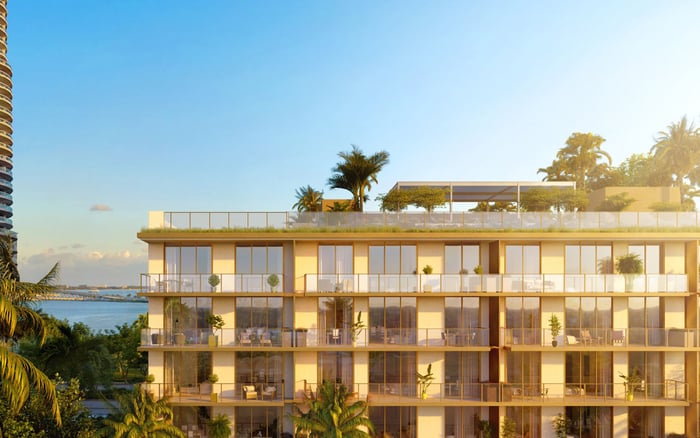
A buyer-oriented lifestyle guide to Waldorf Astoria Residences Downtown Miami as a primary home, emphasizing full-service living, walkable urban routines, Downtown Miami culture, and comparisons with Brickell, Edgewater, and Miami Beach.
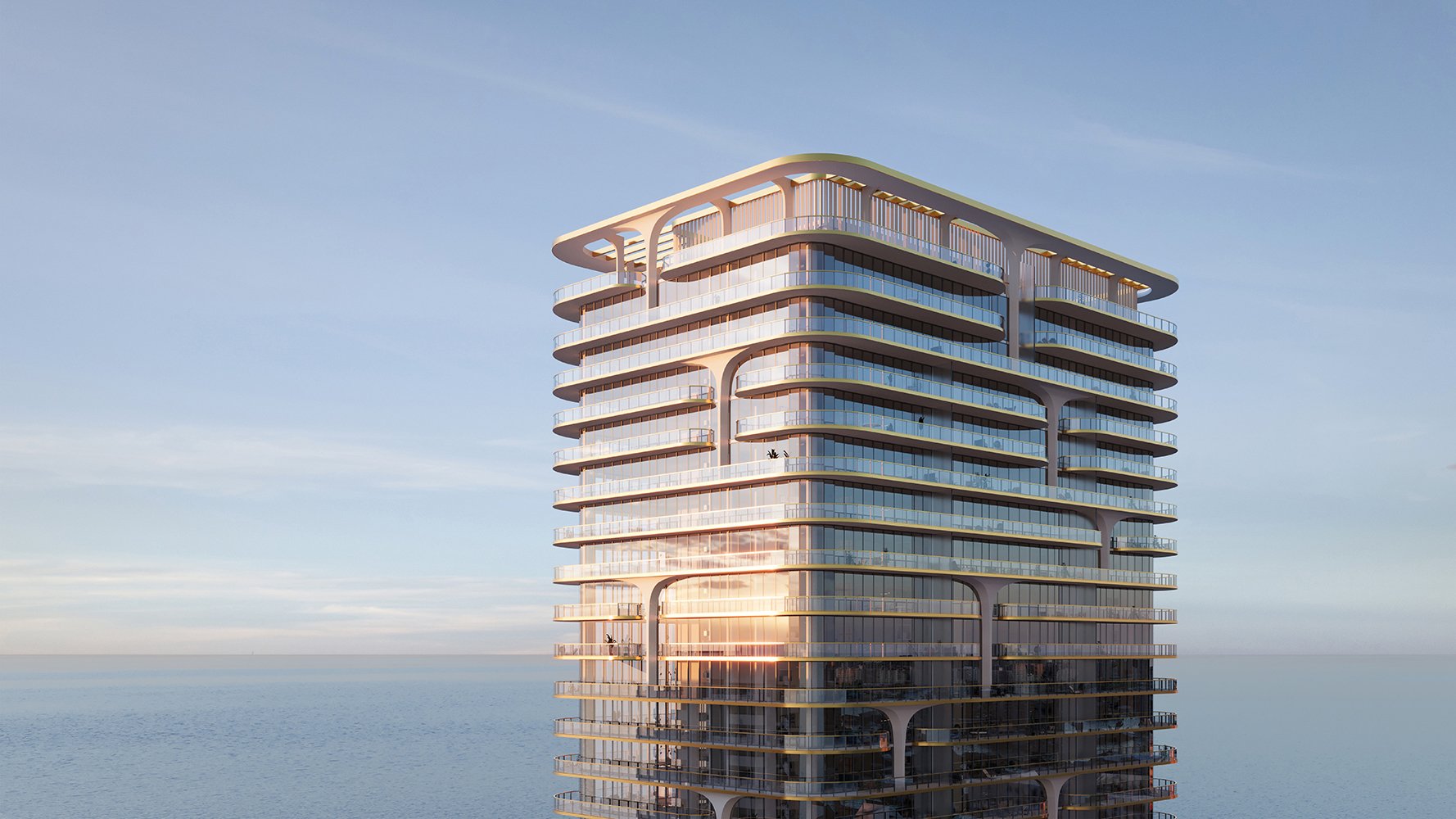
For a certain buyer, the question around Waldorf Astoria Residences Downtown Miami is not whether it can serve as an impressive Miami address. The more revealing question is whether it can function as a true home base for full-time life. That distinction matters. A seasonal residence is judged by arrival impact, views, entertaining potential, and the ease of a long weekend. A primary residence is tested by repetition: weekday mornings, grocery routines, wellness discipline, work calls, dinner plans, airport days, and the ability to live elegantly without constantly negotiating logistics.
For full-time residents, the service component of a branded luxury residence is not merely ornamental. It can become part of the home’s operating rhythm. Concierge-style support, service culture, and a managed residential environment matter most when they resolve small frictions before those frictions become daily inconvenience.
This is where Downtown Miami’s residential evolution becomes central. Downtown is increasingly understood as a mixed-use urban neighborhood, with culture, dining, transit, civic destinations, and entertainment woven into the everyday map. The lifestyle is not fully car-free, and buyers should be realistic about South Florida mobility. But compared with many luxury enclaves, Downtown offers a more walkable, transit-connected foundation for intentional urban living.
The appeal of branded residences is often described through design, prestige, and the familiarity of a hospitality name. For full-time residents, the deeper appeal is consistency. A primary home has to perform quietly, predictably, and often invisibly. The value is not a single grand gesture. It is the cumulative effect of easier arrivals, smoother entertaining, more efficient household coordination, and fewer interruptions to personal time.
At Waldorf Astoria Residences Downtown Miami, the full-time buyer should evaluate the full-service proposition through that lens. A buyer relocating from a single-family estate or a lower-density waterfront residence may be trading private control for managed convenience. The right question is not whether a tower can replicate a house. It cannot. The question is whether the building can create a more efficient daily operating system, especially for residents who travel frequently, host often, and expect service standards aligned with an ultra-luxury life.
That is also why Downtown matters. Service inside the building becomes more valuable when the neighborhood outside supports regular use. If residents can reach dining, culture, work meetings, transit, and major entertainment destinations with less reliance on long drives, the home begins to feel less like a vertical retreat and more like a command center.
A strong Downtown Miami lifestyle is planned, not improvised. Full-time residents should think about the week in zones. Mornings can be reserved for wellness, quiet work, and short neighborhood errands. Midday can accommodate business appointments or remote work without losing time to cross-county movement. Evenings can be built around nearby dining, cultural events, or entertaining at home.
The best version of this lifestyle is not about doing everything Downtown. It is about reducing unnecessary movement. Residents may still drive to Miami Beach, Coconut Grove, Coral Gables, or Palm Beach County when the occasion calls for it. But the daily default can be more compact. That is the intentionality: use Downtown for what Downtown does well, and reserve longer travel for moments that justify it.
In this sense, Waldorf Astoria Residences Downtown Miami competes not only with other towers, but with other lifestyle philosophies. Aston Martin Residences Downtown Miami offers another Downtown reference point for buyers who want the urban core as their center of gravity. The comparison is not simply architectural. It is about how each building supports the routines of a resident who plans to be present year-round.
Brickell remains the most obvious comparison for buyers seeking an urban Miami residence. Its identity is dense, financial, polished, and internationally legible. A project such as Baccarat Residences Brickell speaks to buyers who want a luxury tower environment closely associated with Brickell’s energy. For some, that is ideal. For others, Downtown offers a slightly broader civic and cultural orientation, with a different relationship to the city’s public life.
Edgewater presents another alternative. It appeals to residents who want a residential waterfront mood with access to the urban core, but with a different tempo. EDITION Edgewater is relevant for buyers weighing hospitality-led living against a more bayfront residential atmosphere. Edgewater may feel calmer to some buyers, while Downtown may feel more connected to the city’s cultural and entertainment infrastructure.
Miami Beach is a different choice altogether. It remains the emotional reference point for many luxury buyers because of the ocean, resort culture, and established second-home appeal. The Perigon Miami Beach represents that coastline-oriented mindset. But for a full-time resident who works in the urban core, values frequent cultural access, or prefers to minimize bridge-dependent daily routines, Downtown Miami can be the more practical base.
The most successful full-time residents in Downtown are deliberate about how they use the neighborhood. They do not treat the residence as a trophy object suspended above the city. They build rituals around it. A weekly cadence might include recurring dining close to home, regular cultural evenings, wellness scheduled before the workday, and a preference for short, efficient movement whenever possible.
Entertaining also changes in a Downtown setting. Rather than staging every evening as a destination event, residents can use the city as an extension of the home. Dinner before a performance, cocktails after a civic event, a casual lunch between meetings, or a hosted evening that begins upstairs and continues nearby. The point is proximity. The more often residents use the surrounding assets, the more the address earns its role as a primary home.
Travel is another practical consideration. For frequent flyers, a Downtown base can simplify the transition between airport, residence, office, and social calendar. The building’s service proposition can reinforce that advantage by helping the home remain orderly and ready, even when the owner’s schedule is in motion. For ultra-premium buyers, time is often the rarest amenity. A residence that gives time back has value beyond spectacle.
A full-time Downtown buyer should evaluate Waldorf Astoria Residences Downtown Miami differently from a seasonal buyer. The focus should be daily utility, not only presentation. How will the building support morning and evening routines? How often will the resident actually use nearby cultural, dining, and transit assets? Does Downtown’s energy feel invigorating or overstimulating? Is the service model aligned with the household’s real needs?
Buyers should also be honest about their relationship with driving. Downtown can reduce unnecessary trips, but it does not erase the car from South Florida life. The strongest fit is a resident who appreciates walkability and access, while still understanding when private transportation will remain useful. That balanced expectation is healthier than imagining an urban fantasy that Miami does not fully provide.
The final consideration is identity. Waldorf Astoria Residences Downtown Miami is not just a luxury residence in Downtown. It is a statement about choosing the city as the center of one’s Miami life. For the right buyer, that is precisely the point. The building’s promise is not escape from Miami’s urban energy. It is a more refined way to live within it.
Is Waldorf Astoria Residences Downtown Miami suitable for full-time living? Yes, it can be evaluated as a primary-home option for buyers who want an urban Miami base with a service-oriented lifestyle.
How is this different from using the residence as a pied-a-terre? A pied-a-terre is judged by occasional use, while a full-time home must support weekday routines, wellness, work, entertaining, and travel.
What makes Downtown Miami appealing for year-round residents? Downtown Miami offers access to culture, dining, transit, civic destinations, and the urban core in a more compact daily environment.
Can residents live in Downtown Miami without a car? Some routines can be more walkable and transit-connected, but buyers should still expect private transportation to remain useful.
Why does branded hospitality matter for residents? Hospitality-level service can reduce daily friction, especially for owners who travel often, entertain regularly, or value household efficiency.
How does Downtown compare with Brickell? Brickell feels dense and business-oriented, while Downtown offers a broader civic and cultural setting for urban living.
How does Downtown compare with Edgewater? Edgewater may feel more residential and waterfront-focused, while Downtown is closer to the city’s cultural and entertainment core.
How does Downtown compare with Miami Beach? Miami Beach offers oceanfront resort appeal, while Downtown may be more practical for residents centered around the urban core.
What type of buyer is the best fit? The strongest fit is a buyer who values service, proximity, culture, and a lifestyle organized around efficient urban routines.
What is the best way to shortlist comparable options for touring? Start with location fit, delivery status, and daily lifestyle priorities, then compare stacks and elevations to validate views and privacy.
When you're ready to tour or underwrite the options, connect with MILLION.
If branded residences are on your mind — as a home or as an allocation — we would be glad to share what we are seeing, privately.
Begin a quiet conversation