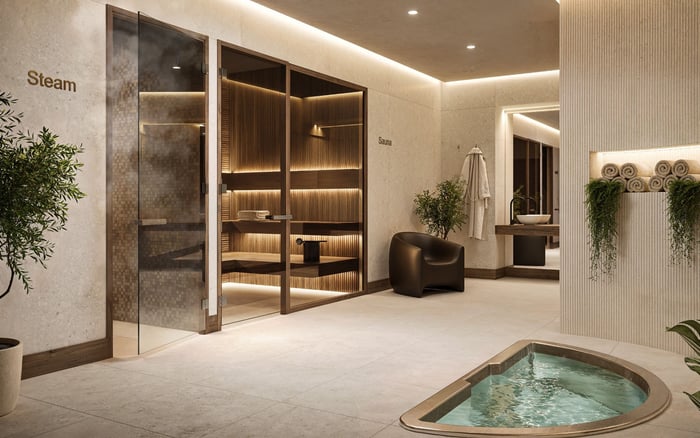
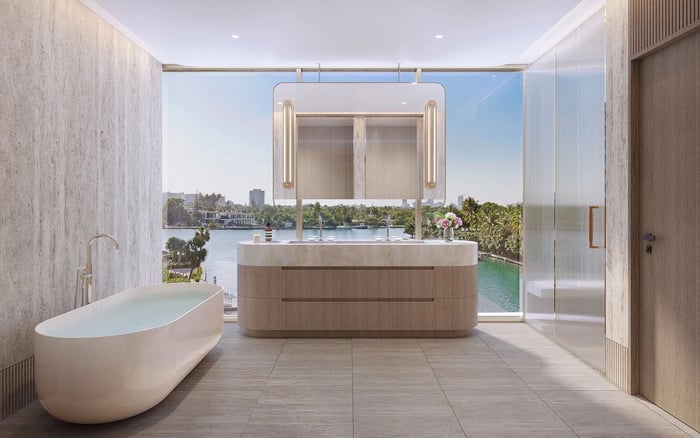
A buyer-focused due diligence framework for comparing wellness capacity, air quality, water filtration, and amenity booking rules at two Brickell residential projects.
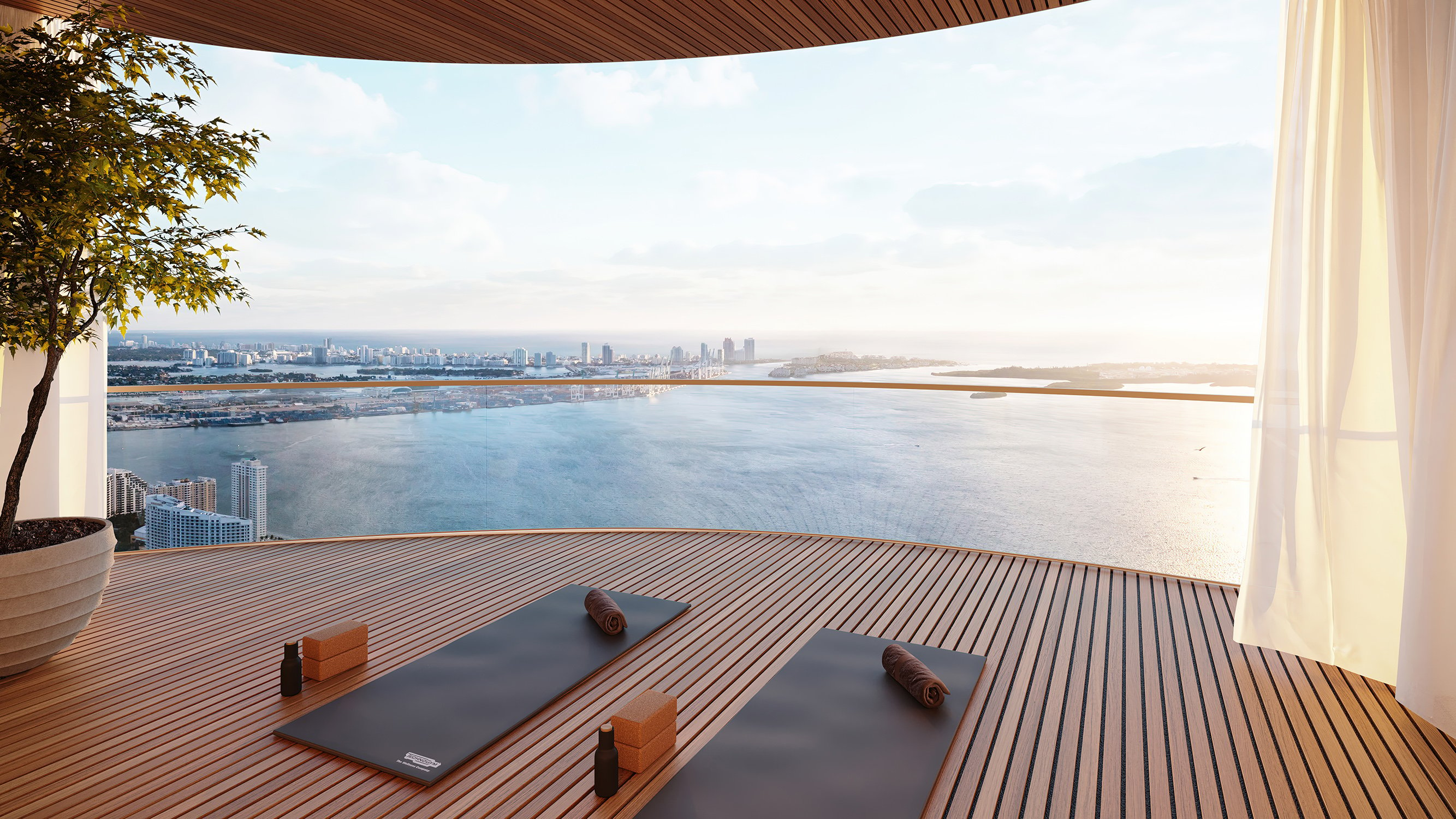
Wellness in a luxury condominium can refer to conditions inside a private residence, experiences in shared amenity areas, or both. Buyers comparing Baccarat Residences Brickell and The Residences at 1428 Brickell should separate those categories before evaluating either property.
Marketing language alone cannot establish system performance or day-to-day access. A careful review should translate each wellness feature into a technical specification, maintenance obligation, operating rule, or written service policy.
Amenity size does not by itself determine practical capacity. Buyers should ask how many residents may use each space, whether access is first-come or reservation-based, and whether different limits apply to residents, household members, and guests.
The review should also address operating hours, temporary closures, private bookings, staffing, and peak-demand procedures. For treatment rooms or other appointment-based spaces, confirm how availability is allocated and whether service providers, treatments, or reservations carry separate charges.
Any air-quality representation should be supported by documents identifying the equipment, filtration type, areas served, controls, testing method, and maintenance schedule. Relevant questions include whether treatment is centralized or residence-specific, who replaces consumable components, and which party pays for ongoing service.
Buyers should also request information about outdoor-air delivery, humidity management, sensor placement, servicing access, warranties, and replacement intervals. If a performance rating or target is important to the purchase decision, obtain it in writing rather than inferring it from general wellness terminology.
Water-treatment due diligence should begin by identifying where treatment occurs and which outlets it serves. Buyers should determine whether a system applies to an entire residence or only selected fixtures and whether separate equipment or replaceable components are required within the unit.
Written materials should clarify servicing intervals, consumable costs, warranties, access requirements, and responsibility for maintenance. Second-home buyers should also ask how extended vacancy affects inspections, replacement schedules, and system care.
The practical value of an amenity depends on how residents can use it. Request current rules covering advance-booking windows, guest eligibility, cancellation deadlines, deposits, fees, operating hours, and limits on repeat reservations.
Buyers should distinguish between amenities included in regular ownership costs and services billed separately. They should also determine whether policies may be revised, who has authority to revise them, and how residents receive notice of changes.
The same due diligence can be applied when considering House of Wellness Brickell or The Well Coconut Grove. The objective is not to assume that similarly themed residences use identical systems or rules, but to compare each project through consistent written questions.
Before signing a contract or closing, purchasers should review the available condominium documents, house rules, amenity policies, equipment schedules, warranties, and maintenance allocations with their professional advisers. Any feature material to the decision should be confirmed in the applicable project documents.
What is the first step when comparing the two Brickell projects? Separate private-residence systems from shared amenities, then request written details for each category.
Does amenity square footage establish usable capacity? No. Buyers should also confirm occupancy limits, operating hours, reservation procedures, and peak-demand policies.
What air-quality documents should a buyer request? Ask for equipment specifications, filtration details, served areas, controls, testing information, and maintenance schedules.
Why does filter responsibility matter? Replacement duties can affect access, upkeep, and recurring ownership costs, so the responsible party should be identified in writing.
What should be verified about water treatment? Confirm where treatment occurs, which fixtures it serves, how it is maintained, and who pays for consumable components.
What should a second-home buyer ask about water systems? Ask whether extended vacancy changes inspection, servicing, or replacement requirements.
Which booking terms deserve review? Review reservation windows, guest eligibility, cancellation deadlines, deposits, fees, hours, and repeat-booking limits.
Are all wellness services necessarily included in ownership costs? Buyers should not assume so; included amenities and separately billed services should be identified in current written policies.
Can amenity rules change after a purchase? Buyers should review the governing documents to determine who may revise policies and how residents are notified.
Which materials should be reviewed before contract or closing? Review available condominium documents, house rules, amenity policies, equipment schedules, warranties, and maintenance allocations with appropriate advisers.
For a confidential assessment and a building-by-building shortlist, connect with MILLION.
If branded residences are on your mind — as a home or as an allocation — we would be glad to share what we are seeing, privately.
Begin a quiet conversation