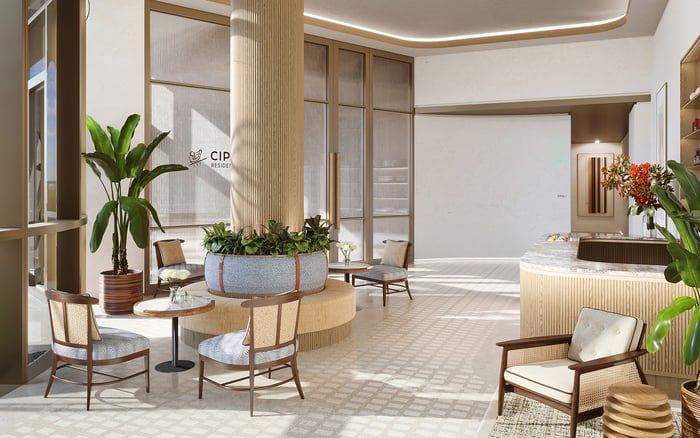
For buyers who entertain at One Thousand Museum in Downtown Miami, amenity operating rules deserve careful review. Reservation procedures, guest access, vendor requirements, fees, cancellations, and arrival protocols can affect whether shared spaces suit an owner’s plans.

At One Thousand Museum in Downtown Miami, buyers who enjoy entertaining should look beyond the appearance of shared spaces and examine how those spaces operate. The central question is not simply whether an amenity exists, but whether its rules support the owner’s preferred type and frequency of gathering.
Access may differ by space and occasion. One area might permit general resident use, while another could require advance reservations or impose separate conditions for guests. Buyers should avoid assuming that every shared space is available for private or exclusive use.
Reservation procedures can influence when and how an owner entertains. Buyers should verify booking windows, availability, repeat-use limits, occupancy conditions, owner-presence requirements, setup periods, cancellation terms, and any applicable charges directly with the association or management.
Guest and vendor rules deserve equal attention. A gathering may involve visitors, caterers, planners, private staff, performers, or other service providers. Current policies should clarify whether advance authorization is required, where vendors may enter, when deliveries may occur, and who is responsible for conduct, cleanup, or damage.
Because policies can change, buyers should rely on current written materials rather than assumptions or informal descriptions. Any amenity that is important to the purchase decision should be reviewed individually.
Entertaining begins before guests reach the reserved space. Entry procedures, security protocols, parking arrangements, visitor credentials, deliveries, and elevator access can all affect the flow of an event.
A buyer should ask how guest lists are submitted, whether advance notice is required, how service providers are processed, and what procedures apply during periods of higher demand. The goal is to understand the complete sequence from arrival through departure.
Before relying on a shared space for entertaining, request the latest governing documents, house rules, and amenity policies. Then ask the same practical questions for every relevant venue:
Is the space open for general use, reservable, or eligible for exclusive use?
How far in advance may an owner request a reservation?
Are repeat bookings or high-demand dates handled differently?
What guest limits and owner-presence requirements apply?
Are deposits, usage charges, staffing costs, or cancellation penalties required?
Are outside vendors permitted, and do they need advance approval?
What setup, service, delivery, and breakdown periods are allowed?
How are guest credentials, parking, and building access coordinated?
What responsibilities apply to noise, conduct, cleanup, and damage?
Are any policy changes pending that could affect anticipated use?
Written answers provide a clearer basis for evaluating whether the building’s operating framework matches an owner’s social calendar.
The same operating analysis can help buyers compare One Thousand Museum with Aston Martin Residences Downtown Miami, Waldorf Astoria Residences Downtown Miami, and The Residences at 1428 Brickell. Amenity descriptions alone do not establish reservation rights, guest allowances, or event procedures, so each property should be reviewed through its current documents and policies.
For an owner who hosts regularly, the best fit is the residence whose operating framework aligns with the intended use. Design establishes the setting, while rules determine how reliably that setting can support real plans.
Can buyers assume every amenity is reservable for private events? No. Reservation and exclusive-use conditions should be confirmed separately for each space.
Where should a buyer verify current amenity rules? Request current governing documents, house rules, and amenity policies from the association or management.
Why do reservation windows matter? They affect how early an owner can plan and whether preferred dates may be practical.
Should buyers ask about guest limits? Yes. Guest limits can determine whether a space suits the owner’s typical gathering.
Can outside vendors be assumed to have access? No. Buyers should verify approval, entry, delivery, scheduling, and insurance requirements before relying on vendor access.
Why are cancellation terms important? They may affect flexibility and could involve deposits, charges, or other consequences that should be understood in advance.
How do arrival procedures affect entertaining? Guest lists, security checks, parking, credentials, and elevator access can influence the pace and ease of arrival.
Should verbal explanations be enough for due diligence? Written policies are preferable because they provide a clearer record of the rules in effect during the review.
Can operating rules change after a purchase? Policies may evolve, so buyers should review current documents and ask whether relevant changes are pending.
How should a buyer compare competing residences? Compare each property’s current access, reservation, guest, vendor, fee, cancellation, and arrival procedures alongside its physical amenities.
If you'd like a private walkthrough and a curated shortlist, connect with MILLION.
If branded residences are on your mind — as a home or as an allocation — we would be glad to share what we are seeing, privately.
Begin a quiet conversation