A buyer-focused comparison of what is publicly defined, what remains undisclosed, and which documents matter when evaluating wellness systems and operating rules at two luxury residences.
In luxury residential real estate, wellness is no longer judged solely by the presence of a spa, fitness room, or pool. Sophisticated buyers increasingly want to know how many residents a facility can accommodate, how indoor air is managed, whether water receives additional treatment, and how readily signature amenities can be reserved.
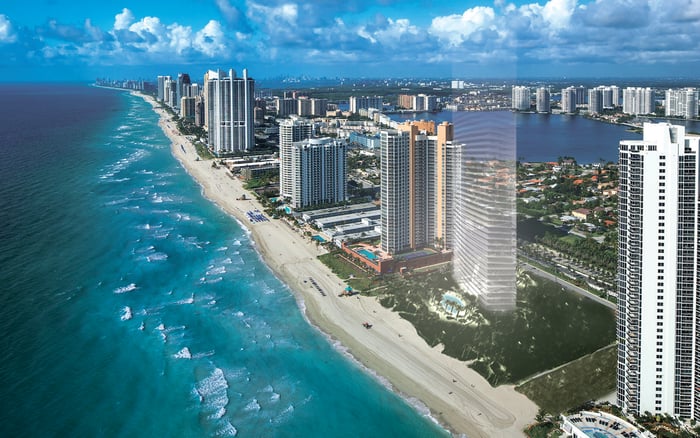
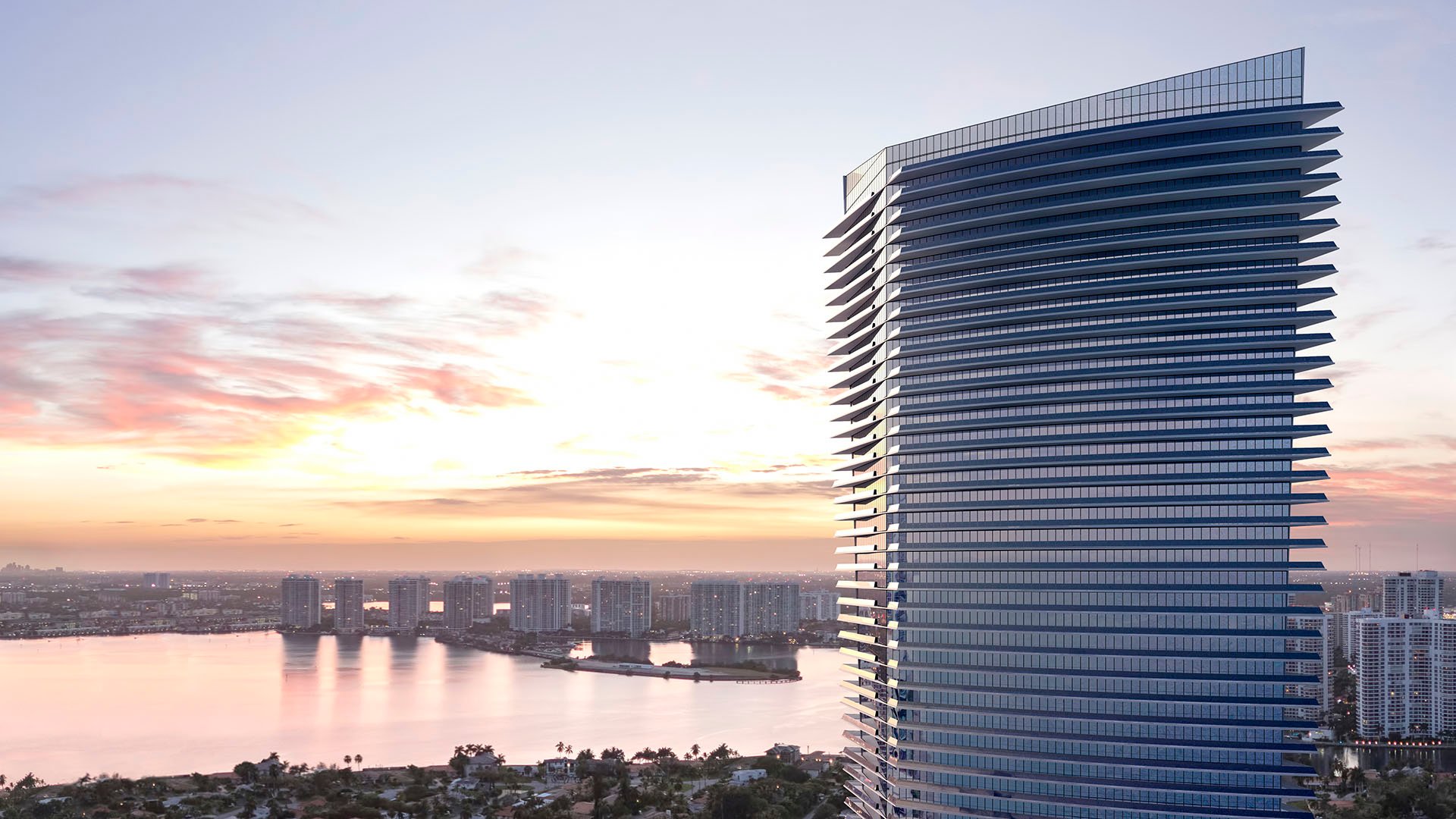
That distinction is central to comparing Armani Casa Sunny Isles Beach with Villa Miami. The former offers an established, expansive amenity program at 18975 Collins Avenue in Sunny Isles Beach. The latter defines itself as a private residential building rather than a condo-hotel, with a notably residential approach to leasing. At both properties, however, several technical and operational details remain outside the public record.
The presence of a wellness amenity is only the beginning of buyer diligence.
This Buyer's Guide analysis separates visible lifestyle offerings from the specifications and rules that warrant written confirmation. It is not enough to ask whether a residence has a spa or filtered water. The more consequential questions concern capacity, performance standards, access protocols, and the authority governing future changes.
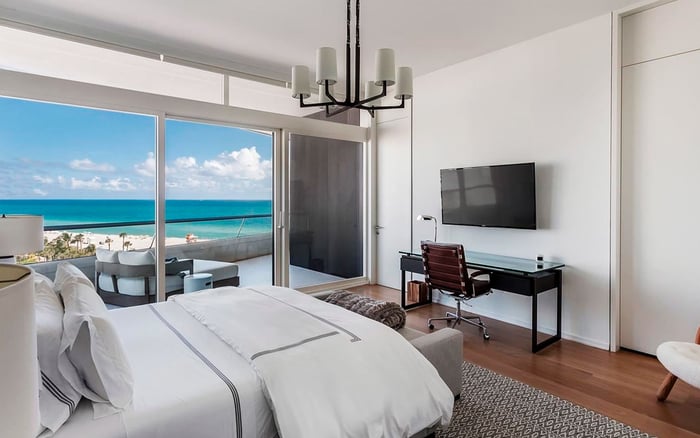
Residences by Armani/Casa offers more than 35,000 square feet of amenity space. Spanning two floors, the program includes a two-story spa with indoor and outdoor treatment rooms. The fitness center overlooks the Atlantic Ocean, while the yoga studio incorporates Pilates equipment. Separate men's and women's saunas and steam rooms, together with a beauty salon, broaden the wellness offering.
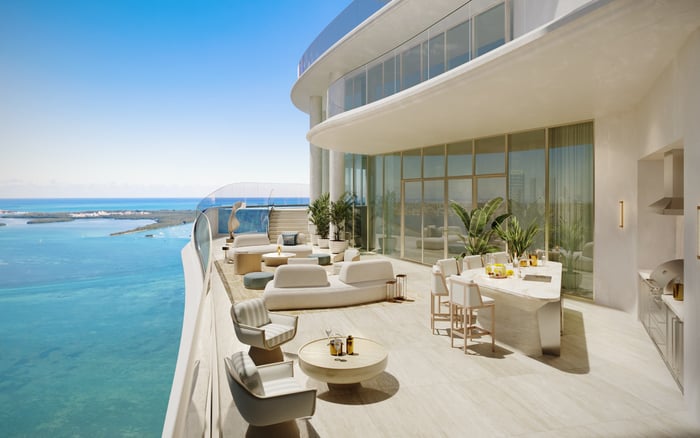
The outdoor and hospitality components are similarly extensive. An oceanfront terrace features a heated pool, hot tub, attendants, and poolside food-and-beverage service. Residents also have access to a private oceanfront restaurant and bar, in-residence dining delivery, and serviced beach amenities. For buyers considering an oceanfront home, the result is a persuasive continuum of exercise, restoration, dining, and time beside the water.
What remains unquantified is equally important. The fitness center's equipment count, class capacity, and peak-use limits are not publicly stated. Nor are reservation windows, cancellation policies, guest quotas, or per-residence caps for the spa, studios, pool, and other shared spaces. More than 35,000 square feet conveys scale, but not how access performs on a busy morning or holiday weekend.
HOA fees cover amenities, cable television, building maintenance, parking, pool access, security, and utilities. Buyers should still review the current budget, fee schedule, and governing documents to distinguish included access from services that may carry separate charges.
In Edgewater, Villa Miami's clearest public distinction is its residential-use model. The building is positioned as a private residence rather than a condo-hotel. Nightly and weekly short-term rentals are prohibited, while owner-directed leasing is permitted through annual and multi-month arrangements. This long-term-only framework is intended to protect community quality.
The policy may also be relevant to wellness in a broader sense. A residential occupancy model can appeal to owners who value continuity and fewer transient stays. It does not, however, resolve technical questions about air, water, or amenity access. Exact minimum lease periods, leasing-frequency limits, and tenant-approval procedures are not publicly defined. Complete rental-policy details are supplied during buyer review, making the governing documents essential.
Villa Miami also does not publicly detail amenity booking windows, cancellation rules, guest-pass limits, or peak-time reservation caps. Buyers should not interpret the absence of a published restriction as evidence of unrestricted use. The declaration, rules and regulations, management policies, and purchase materials should govern the analysis.
Neither property publicly discloses the core metrics required for a technical indoor-air comparison. At Armani/Casa, HVAC filter ratings, outdoor-air delivery rates, target humidity ranges, and dedicated purification within residences are not identified. Villa Miami likewise does not publish filtration ratings, ventilation volumes, humidity-control ranges, or in-residence purifier specifications.
This is a disclosure boundary, not proof that upgraded systems are absent. Buyers should request mechanical schedules and written specifications for both common areas and the residence itself. Relevant details include filter type and rating, outside-air strategy, humidity controls, equipment serving corridors and amenity spaces, and maintenance responsibility for components inside the unit.
The distinction between base-building infrastructure and owner-installed equipment warrants particular attention. A portable purifier or upgraded in-unit filter is not equivalent to a building-wide ventilation strategy. Buyers comparing other wellness-oriented options, including House of Wellness Brickell, should apply the same document-first standard rather than relying on a project's name or broad positioning.
Armani/Casa does not publicly identify central filtration, water softening, ultraviolet treatment, or standard point-of-use drinking-water filtration. Villa Miami likewise does not publicly identify building-wide filtration, softening, ultraviolet treatment, or standard in-unit systems.
Again, nondisclosure does not establish nonexistence. Buyers should determine whether treatment occurs at the municipal supply entry, at a building plant, within each residence, or only through owner-selected fixtures. Plumbing specifications can clarify what is delivered as standard, while association documents can establish maintenance responsibility and any restrictions on alterations.
A complete review should also distinguish drinking-water treatment from whole-residence treatment. If filtration is central to the purchase decision, the buyer should obtain the equipment specification, service schedule, replacement responsibility, and any limitations affecting installation. The same scrutiny is appropriate when considering conceptually wellness-focused alternatives such as The Well Bay Harbor Islands.
Amenity quality is partly architectural and partly operational. A treatment room requiring advance booking, a studio with restricted guest access, or a pool subject to per-unit caps may function differently from the impression created during a private tour. Neither Armani/Casa nor Villa Miami publicly provides the complete booking framework needed to assess that experience.
Before contracting, buyers should request current rules for reservations, cancellations, no-shows, guests, minors, trainers, service providers, and private events. They should also establish whether the board or management may revise those rules, whether access is included in regular assessments, and whether selected services incur separate fees.
At Armani/Casa, one furnished residence has been advertised for stays of one to six months. That individual offering does not establish a building-wide leasing rule and should not substitute for the declaration, association rules, application requirements, or written management confirmation. At Villa Miami, the public long-term framework is clearer, but its precise minimums and approval mechanics still require document review.
A disciplined review should assemble four categories of material: mechanical schedules for air systems, plumbing specifications for water treatment, current amenity rules, and complete leasing provisions. Buyers may also request recent budgets and fee schedules to determine which services are included and which are charged separately.
The goal is not to diminish the appeal of either property. Armani/Casa offers a notably extensive wellness and hospitality environment, while Villa Miami presents a private residential identity and excludes nightly and weekly rentals. The appropriate choice depends on whether the buyer prioritizes an established breadth of amenities, a long-term occupancy framework, or specific technical standards that must be documented before purchase.
For discreet guidance through South Florida's luxury condominium documents and residence selection, connect with MILLION.
If branded residences are on your mind — as a home or as an allocation — we would be glad to share what we are seeing, privately.
Begin a quiet conversationResidences by Armani/Casa has more than 35,000 square feet of amenity space spanning two floors.
The program includes a two-story spa, ocean-view fitness center, yoga studio with Pilates equipment, sauna and steam rooms, and a beauty salon.
No. Public materials do not state equipment counts, class capacity, or peak-use limits.
No. Reservation windows, cancellation terms, guest quotas, and per-residence caps are not publicly stated.
Public information does not specify HVAC filter ratings, outside-air delivery, humidity targets, or dedicated in-residence purification.
No building-wide or standard in-unit filtration, softening, or ultraviolet treatment is identified publicly for either property.
Villa Miami describes itself as a private residential building rather than a condo-hotel.
No. Villa Miami prohibits nightly and weekly short-term rentals.
Yes. Owner-directed leasing is permitted on annual and multi-month terms within its long-term framework.
Buyers should request mechanical schedules, plumbing specifications, condominium documents, current amenity rules, leasing provisions, budgets, and fee schedules.