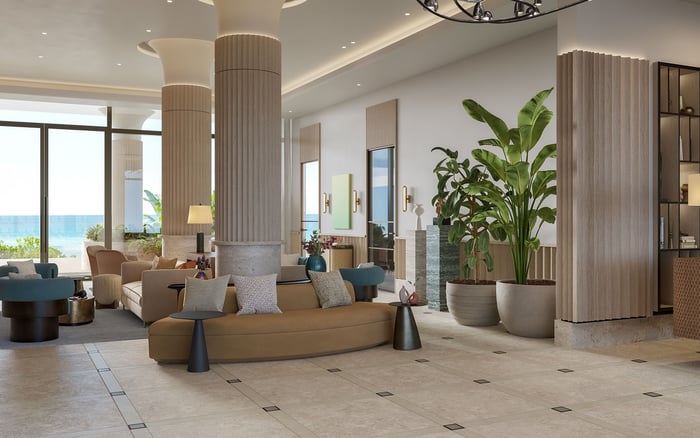
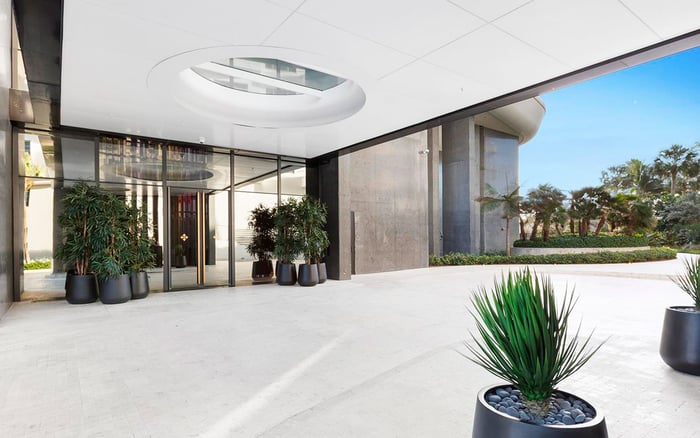
A buyer-focused comparison of flood exposure, critical-equipment elevation and backup-power questions at two distinctly situated South Florida luxury residences.
In South Florida luxury real estate, storm resilience is best understood as a chain of systems. A parcel's flood exposure, the elevation of occupied floors, the placement of electrical and mechanical equipment, drainage performance and emergency-power coverage all influence how a building may function before, during and after severe weather.
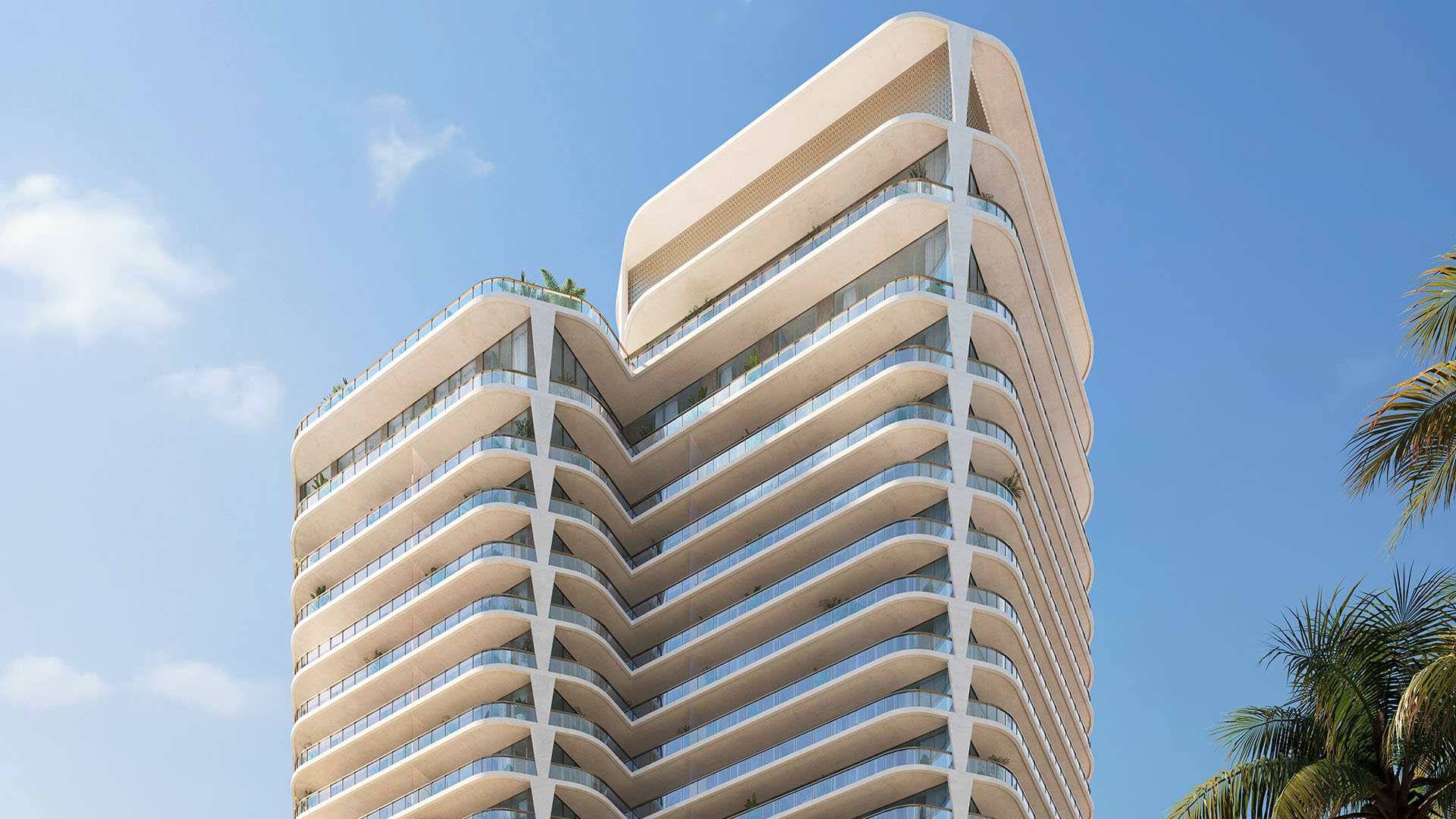
That framework is particularly useful when comparing Banyan Tree Residences West Palm Beach with The Surf Club Four Seasons Surfside. One is planned as an urban 26-story tower with 88 private residences, several blocks west of the Intracoastal Waterway. The other is an established beachfront hotel-and-residential complex at 9011 Collins Avenue, incorporating the historic Surf Club building and newer 12-story structures designed by Richard Meier.
Their locations create materially different due-diligence priorities. Banyan Tree's principal questions concern downtown drainage, garage exposure and equipment elevation. At The Surf Club, those inquiries extend to direct storm-surge and saltwater exposure.
Resilience is not a single amenity, but a coordinated chain of elevations, systems and backup capacity.
The Banyan Tree site occupies the southeast corner of Hibiscus Street and South Dixie Highway in West Palm Beach. It is positioned moments from the water rather than directly on the oceanfront. That distinction matters, but it does not eliminate the need for flood analysis.
An address-based review can establish the parcel's flood-zone status, applicable Base Flood Elevation, Design Flood Elevation and relevant flood-map context. Those benchmarks should then be measured against the project's finished-floor level, garage or podium elevation, vehicle entry points, drainage features and the vertical placement of critical systems.
The tower's scale and residential program are identified, but finished-floor, garage-podium and mechanical-platform elevations are not. This does not mean protective measures are absent. It means buyers should request the technical documents needed to understand them.
The same discipline applies across the city's new-construction market, including The Ritz-Carlton Residences® West Palm Beach and other high-end offerings. A polished presentation can convey lifestyle exceptionally well; elevation certificates and engineering drawings address a different, equally important set of ownership questions.
The Surf Club Four Seasons Surfside occupies a directly beachfront setting in Surfside. Its resilience review should therefore encompass wind, rainfall and drainage, as well as surge pathways, saltwater contact and the exposure of equipment serving residences, hotel functions and shared amenities.
Saltwater exposure is especially relevant to electrical components, pumps, switchgear and mechanical infrastructure. Buyers should determine where these systems are located, whether vulnerable components sit above applicable flood elevations and how access is maintained if lower portions of the property are affected.
Elevations for generators, switchgear, pumps and mechanical rooms are not disclosed. Nor are generator size, fuel capacity, runtime or whether emergency power extends to residential air conditioning and in-unit electrical loads.
The same level of inquiry suits buyers evaluating nearby coastal options such as Ocean House Surfside. The objective is not to assume that every beachfront building faces identical conditions, but to understand how each property's site, elevations and operating systems respond to its particular exposure.
Flood-zone designation is only the opening question. More consequential is how a building's essential components sit relative to the Base Flood Elevation and Design Flood Elevation applicable to its parcel.
Critical equipment can include generators, electrical rooms, transfer switches, domestic-water and fire pumps, air-conditioning systems, communications hardware and building-access controls. Hurricane-hardening principles favor minimizing occupied or usable space below the required Base Flood Elevation and positioning essential equipment above anticipated flood levels, preferably near the first living-floor elevation where feasible.
At Banyan Tree, buyers should focus on garage access, any below-elevation areas, drainage and the vertical arrangement of equipment. At The Surf Club, the same review should examine how oceanfront surge and corrosive saltwater conditions are addressed. A drawing identifying each critical room and its elevation is far more informative than a general assurance that systems are protected.
Generator placement warrants separate attention. A generator pad should sit above the required flood elevation while maintaining safe access, ventilation and exhaust routing. The installation must also address governing electrical and emergency-power requirements, along with fuel and operational considerations.
A generator's existence does not reveal what it supports. Buyers need a load schedule detailing the circuits and systems connected during an outage. The most useful schedule identifies elevator service, fire and domestic-water pumps, emergency lighting, access control, communications, refrigeration and any residential cooling or in-unit power.
Neither property discloses enough information for a definitive comparison of emergency-power coverage. At Banyan Tree, generator capacity, fuel storage, expected runtime and supported circuits are not identified. At The Surf Club, generator size, fuel capacity, runtime and coverage for residential air conditioning and private-unit loads are likewise unspecified.
Runtime depends on more than a headline capacity figure. Due diligence should establish fuel type, on-site storage, estimated operating duration under the stated load, refueling assumptions and testing practices. Buyers should also confirm whether backup power supports one elevator, selected elevators or a broader vertical-transportation plan, and whether cooling extends beyond common or life-safety areas.
These are not merely engineering details. For a second home, they influence remote oversight and building access. For a primary residence, they shape livability during a prolonged grid interruption.
A disciplined review should begin with the elevation certificate or applicable engineering survey, then proceed to site and drainage plans, finished-floor and garage elevations, critical-equipment location drawings, generator specifications and the emergency load schedule.
Buyers should request the following information in an integrated form:
The applicable flood zone, Base Flood Elevation and Design Flood Elevation.
Finished-floor, garage, ramp and principal-entry elevations.
Locations and elevations of generators, switchgear, pumps and HVAC equipment.
Generator fuel type, storage, assumed load, runtime and testing protocol.
The exact elevators, pumps, lighting, access, communications and residential loads supported.
Operating and access plans if lower-level areas experience water intrusion.
For a project under development, specifications may evolve, so material representations should be confirmed in current governing and contractual documents. For an operating property, buyers can also request testing records, maintenance protocols and clarification of association responsibilities.
This practical approach defines the best buyer's guides: separate the quality of the residence from the technical evidence supporting continuity of operation. Buyers considering The Delmore Surfside or another coastal property can apply the same questions without presuming the answers will be identical.
Banyan Tree and The Surf Club cannot be responsibly ranked on emergency power from the available information alone. Their physical contexts are also too different for a simple inland-versus-beachfront conclusion. Banyan Tree's urban position calls for close attention to parcel elevations, drainage, garage conditions and equipment placement. The Surf Club's beachfront setting adds surge and saltwater scrutiny to that foundation.
The decisive comparison is documentary: where critical systems are located, how high they sit, what the generator actually powers and how long the stated configuration is expected to operate. Those answers transform resilience from a marketing impression into an ownership standard.
For discreet guidance on South Florida residences and technically informed acquisition questions, connect with MILLION.
If branded residences are on your mind — as a home or as an allocation — we would be glad to share what we are seeing, privately.
Begin a quiet conversationNo. It is an urban West Palm Beach project several blocks west of the Intracoastal Waterway and is described as moments from the water.
The planned tower is 26 stories with 88 private residences.
Its beachfront location adds storm-surge and saltwater exposure to the usual wind, rainfall and drainage considerations.
No. Available information does not specify elevations for the principal generators, switchgear, pumps or mechanical rooms.
Not definitively from the available information, because detailed generator load schedules and runtime assumptions are not disclosed.
It identifies the building systems and circuits intended to receive backup power during an outage.
Key questions cover elevators, fire and domestic-water pumps, emergency lighting, access control, communications, refrigeration and residential cooling.
Critical equipment positioned above anticipated flood levels is less exposed to floodwater and may be better placed to support continuity after a storm.
Buyers should confirm the parcel's flood zone, Base Flood Elevation, Design Flood Elevation and relevant finished-floor, garage and equipment elevations.
Request the elevation certificate or engineering survey, drainage and site plans, critical-equipment drawings, generator specifications and emergency load schedule.