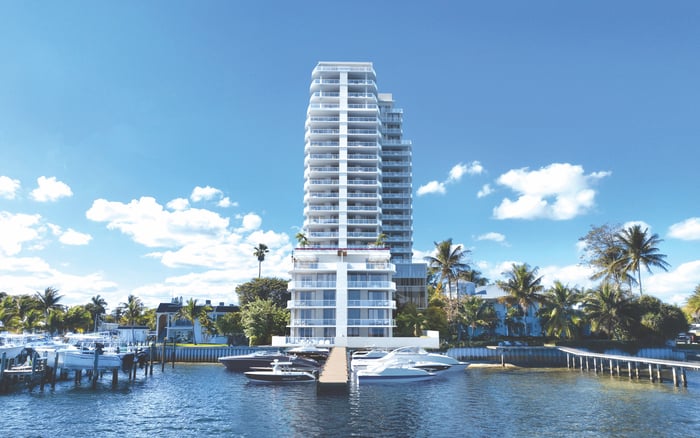
A discreet buyer framework for comparing Una Residences Brickell and Alba West Palm Beach through waterfront control, dock operations, service boundaries, and insurance clarity.
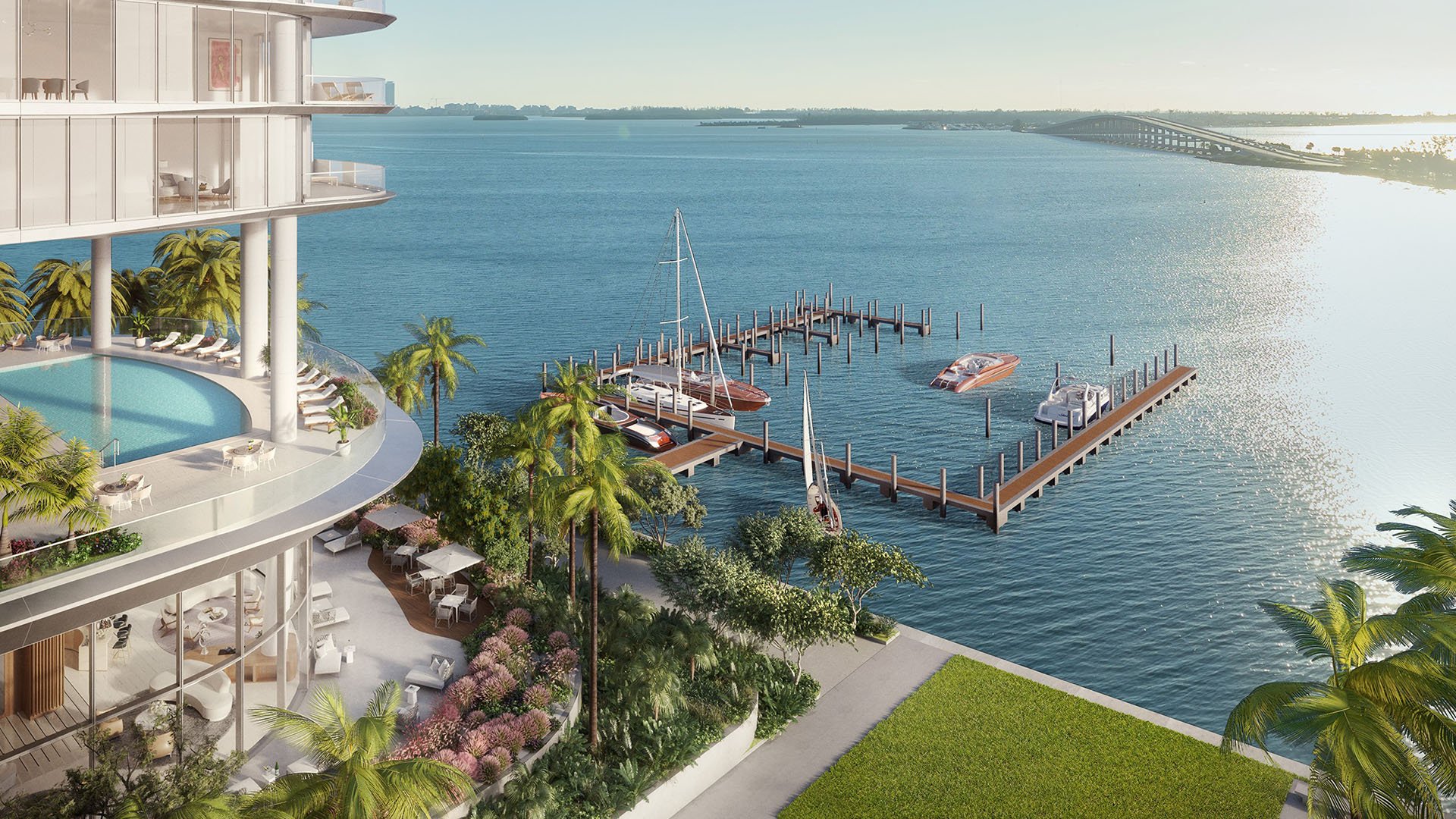
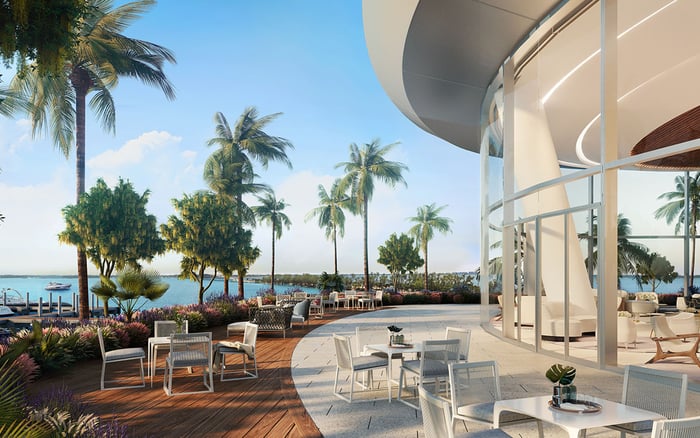
For buyers weighing Una Residences Brickell against Alba West Palm Beach, the question is not simply which address feels more polished. It is whether the service promise preserves enough room for personal control. In the ultra-premium waterfront market, privacy, staff responsiveness, marina access, storm planning, and insurance transparency can matter as much as finishes or views.
The comparison is especially relevant for buyers who want a managed residential environment without having every meaningful decision filtered through opaque building rules. Even a refined property can feel restrictive if the buyer cannot clearly understand vessel access, guest procedures, maintenance boundaries, deductible exposure, or who has authority during a weather event.
In practical search language, this is a Brickell and West Palm Beach conversation shaped by Waterview expectations, Boat-slip questions, and Marina operations. Una Residences Brickell and Alba West Palm Beach should therefore be evaluated less as glossy substitutes and more as distinct governance cultures.
Waterfront living begins with a view, but it is protected by documents. A buyer should separate visual waterfront value from legal waterfront rights. The first is emotional. The second is contractual, transferable, insurable, and subject to rules.
The central question is not, “Is there water?” It is, “What rights, if any, travel with the residence?” Those rights may involve access, use, assignment, waiting lists, easements, dockage rules, submerged land considerations, association approvals, or third-party operating agreements. Some privileges may be personal rather than appurtenant to the unit. Others may depend on vessel size, availability, insurance, or compliance with operational policies.
For a buyer who expects to keep a boat nearby, this distinction is critical. A Boat-slip that is deeded, licensed, leased, assigned by the association, or merely available by separate arrangement can produce very different resale and lifestyle outcomes. The same principle applies to kayak launch points, tender access, private docks, guest vessel protocols, and waterside pickup.
The most controlled buyer experience comes when the documents answer practical questions in plain terms. Who approves a vessel? Can a right be transferred on resale? Are there size or draft limits? What happens during construction, repairs, storms, or marina closures? Is the right exclusive, shared, revocable, or conditional? A beautiful waterfront setting is only as useful as the rights that support it.
Dockmaster service can be one of the most valuable features in a waterfront residential environment, but buyers should understand what the title actually covers. In some communities, the dockmaster is primarily a hospitality and coordination figure. In others, the role may include operational oversight, safety monitoring, owner communication, vendor coordination, and rule enforcement.
The difference matters. A buyer who wants brand-level ease may expect someone to know when a vessel is arriving, help coordinate service providers, communicate access procedures, and guide guests discreetly. A buyer who wants personal control will also want to know where the dockmaster’s authority begins and ends.
Important questions include hours of coverage, emergency communication, storm preparation procedures, outside captain access, vendor registration, guest vessel policies, and liability for damage at the dock. Buyers should also ask whether the dockmaster reports to the association, a marina operator, a hospitality team, or another management structure. That reporting line often reveals whether the service is designed mainly for comfort, compliance, or both.
The ideal model is not necessarily the most interventionist one. Many sophisticated owners prefer service that anticipates needs without taking over decisions. For that buyer, the right dockmaster structure provides order, accountability, and discretion while preserving the owner’s ability to manage their vessel, captain, and guests within clear rules.
Insurance is where the emotional language of luxury becomes practical. In a waterfront condominium, the buyer should understand the boundary between the association’s responsibility and the owner’s responsibility before becoming attached to the residence.
The key documents typically include the association’s insurance summaries, budget materials, declarations, bylaws, rules, and any available explanations of deductibles, flood exposure, wind coverage, reserves, and assessment procedures. Buyers should ask what the master policy covers, what it excludes, and where the owner’s walls-in policy begins. They should also understand how deductibles may be allocated after a claim and whether a lender has additional insurance requirements.
This is not merely a closing checklist. It is a lifestyle issue. A buyer who expects brand service may assume the building has already absorbed every operational burden. Yet even the best-managed property can leave owners responsible for interior coverage, personal property, loss assessment exposure, upgrades, deductibles, temporary housing, and coverage gaps.
The more transparent the insurance picture, the more control the buyer retains. Clarity allows an owner to price risk, structure coverage, plan reserves, and compare buildings on total carrying confidence rather than monthly association costs alone.
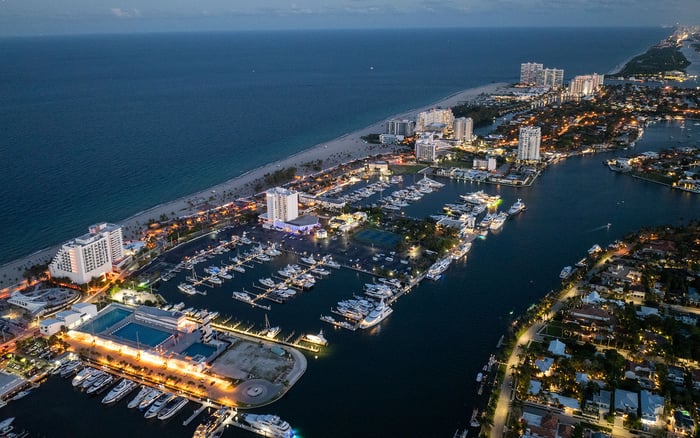
A buyer considering Una Residences Brickell may be drawn to the energy and density associated with Miami’s urban waterfront. In that context, control often means seamless arrival, efficient building operations, privacy within a highly active environment, and confidence that service systems can keep pace with a demanding schedule.
A buyer considering Alba West Palm Beach may be seeking a different rhythm. In that context, control may mean a more measured daily pattern, easier alignment with Palm Beach County routines, and a service experience that feels personal rather than metropolitan. The question is not which setting is superior. It is which setting makes the buyer feel less managed and more supported.
For some owners, a highly programmed environment is comforting. For others, the same programming can feel constraining. The best fit depends on how often the residence will be used, whether boating is central or occasional, how much staff or vendor access is needed, and whether the buyer values immediate urban adjacency more than a calmer waterfront cadence.
Before comparing finishes, buyers should request the documents that define control. The goal is not to create friction. It is to avoid discovering limits after closing.
A serious review should include the condominium declaration, association rules, marina or dockage agreements if applicable, insurance summaries, recent budgets, reserve information, maintenance obligations, leasing restrictions, pet and guest policies, vendor access procedures, and any written service standards available to purchasers.
For waterfront buyers, the marina documents deserve special attention. They should be reviewed alongside insurance materials because dockage, storm risk, vessel liability, and association exposure are connected. A polished dock experience can still create uncertainty if insurance obligations or emergency procedures are vague.
Buyers should also ask how changes are made. If a service policy, dock rule, or access protocol can be revised by the association or operator, the buyer should understand the process. Personal control is strongest when the buyer knows not only today’s rules, but also how tomorrow’s rules may evolve.
The cleanest comparison is built around four questions.
First, what is guaranteed? This includes any rights tied directly to the residence, especially if water access or dockage is part of the buyer’s reason for purchasing.
Second, what is discretionary? Services, preferences, guest accommodations, and operational courtesies can be valuable, but they should not be mistaken for property rights unless the documents support them.
Third, who has authority? A dockmaster, association manager, concierge, board, marina operator, or outside vendor may each control different parts of the experience.
Fourth, what is the owner’s exposure? Insurance obligations, deductibles, vessel liability, assessments, and emergency procedures should be understood before the buyer treats service as a substitute for due diligence.
For the right buyer, either setting may offer the polished waterfront experience they want. The winner is the one whose documents, operations, and risk boundaries match the buyer’s definition of control.
Is this comparison mainly about amenities? No. It is about whether the service environment gives the buyer clarity, authority, and predictable rights.
Should waterfront rights be reviewed before making an offer? They should be reviewed as early as possible, especially if boating or water access is central to the purchase.
Does a waterfront view automatically include dock rights? No. View value and dock or access rights are separate issues that must be confirmed in writing.
What should a buyer ask about dockmaster service? Ask who supervises the dockmaster, what services are included, and how emergencies are handled.
Why does insurance clarity matter so much in waterfront condominiums? It defines what the association covers, what the owner must insure, and how losses may be allocated.
Can service quality replace legal review? No. Service can improve daily living, but documents determine enforceable rights and obligations.
What is the most important document for personal control? The condominium declaration is central, but rules, budgets, insurance materials, and dock agreements also matter.
Should buyers compare monthly costs alone? No. Carrying costs should be evaluated with reserves, deductibles, insurance obligations, and service scope.
Is Brickell better for every high-service buyer? Not necessarily. Brickell may suit buyers who want urban intensity, while other buyers may prefer a quieter rhythm.
Is West Palm Beach better for buyers seeking more privacy? It may appeal to buyers seeking a different pace, but privacy depends on building rules, design, and operations.
When you're ready to tour or underwrite the options, connect with MILLION.
If branded residences are on your mind — as a home or as an allocation — we would be glad to share what we are seeing, privately.
Begin a quiet conversation