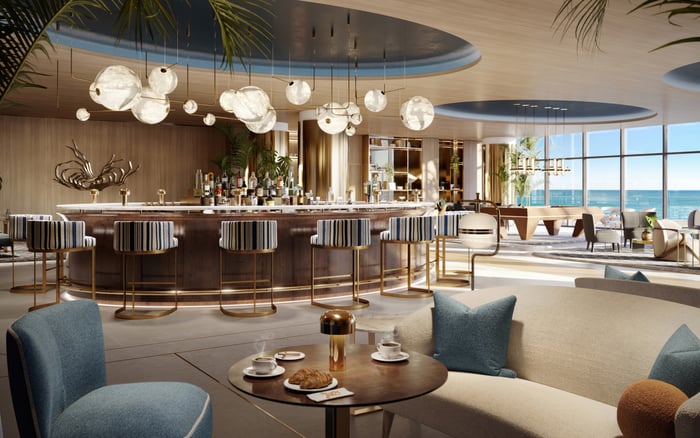
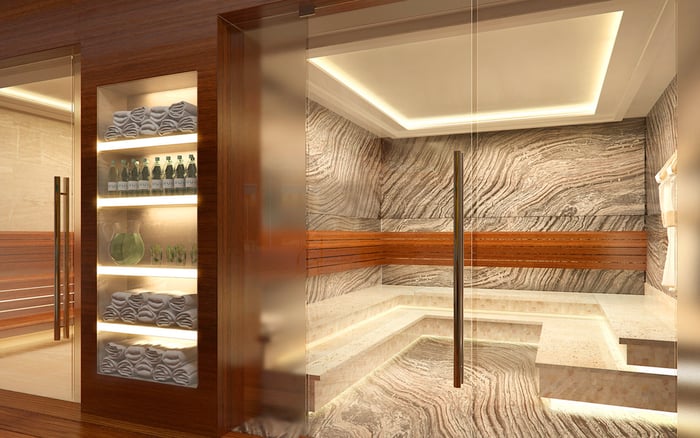
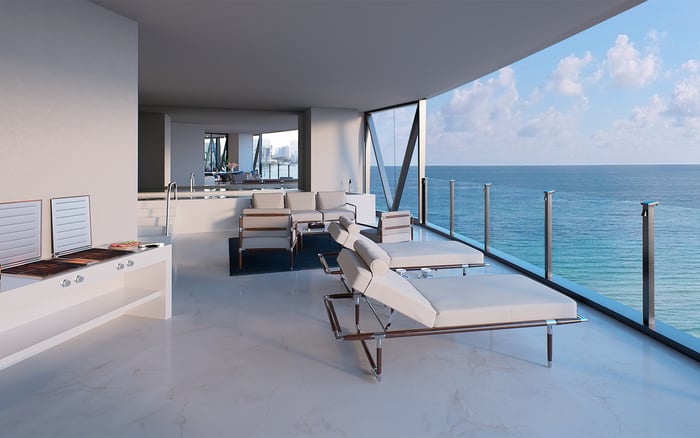
Regalia and Turnberry Ocean Club offer distinct settings for oceanfront living. For buyers prioritizing lasting privacy, the meaningful comparison is between residence-level sightlines, neighboring development rights, and the protections that can actually be documented.
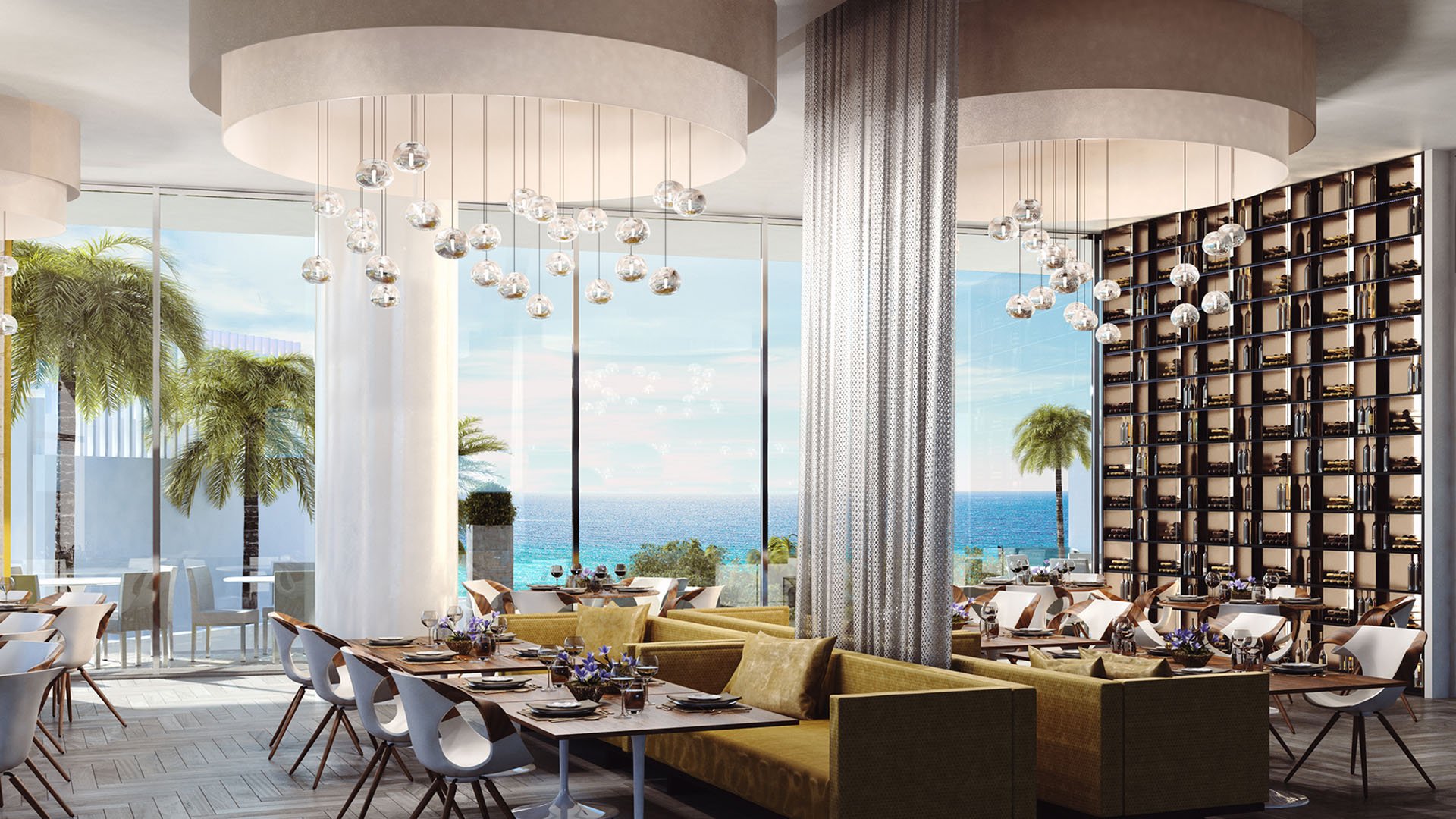
For a luxury buyer in Sunny Isles Beach, a panoramic view is only the start of the conversation. The more consequential questions concern what could rise beside it, who can see into the residence, and whether today’s openness rests on enforceable protection or merely the current neighborhood. An ocean horizon and a private terrace are related pleasures, but they are not the same asset.
Regalia and Turnberry Ocean Club illustrate two distinct approaches to that decision. One combines full-floor living with a low-rise northern neighbor. The other occupies a more concentrated oceanfront tower setting and emphasizes an amenity-driven residential experience. Neither address should be judged by a single photograph or a blanket promise of enduring privacy.
Here, “active projects” frames a buyer comparison, not a claim that both buildings are currently under construction. The useful distinction lies in their residential settings and the diligence each requires.
At 19575 Collins Avenue, Regalia Sunny Isles Beach sits at the city’s northern end near the Golden Beach municipal boundary. Its 39 residences and full-floor configuration offer a clear starting point for buyers who prefer fewer immediate residential neighbors.
Full-floor living reduces same-floor residential adjacency compared with a tower containing multiple apartments on each level. That is an architectural privacy advantage, not a guarantee against visibility from outside the building. Buyers should distinguish the absence of an apartment beside their own from the possibility of someone looking across into their windows or outdoor space.
Regalia’s wraparound terraces and floor-to-ceiling glazing provide exposure toward the Atlantic Ocean, Intracoastal Waterway, and skyline. Each direction deserves a separate assessment. A north-facing outlook toward Golden Beach’s low-rise, single-family setting has a different privacy profile from a south-facing outlook toward the condominium corridor.
The northern context supports a favorable privacy argument. It does not, by itself, establish a legally protected view. For a buyer drawn to that openness, the next step is to understand the parcels within the relevant sightline-not treat the municipal boundary as a substitute for legal review.
Several blocks south, Turnberry Ocean Club Sunny Isles occupies 18501 Collins Avenue. The 54-story tower contains 154 residences and offers an oceanfront, amenity-driven residential experience. Its larger residence count distinguishes it from Regalia, but that count alone does not determine how private a particular home will feel.
Here, the surrounding tower environment is central to the purchase. Porsche Design Tower sits next door, while Armani Casa Sunny Isles Beach and the Ritz-Carlton Residences are among the luxury towers farther along the corridor. In this setting, lateral sightlines deserve as much attention as the direct ocean outlook.
A buyer should evaluate the principal living area, bedrooms, and outdoor spaces individually. The questions are practical: Which neighboring windows face the terrace? Does an inland room have a different exposure from the ocean-facing living area? Does the outlook remain comfortable when the residence is illuminated after dark?
Turnberry’s denser surroundings do not establish that every residence is less private than one at Regalia. They make orientation, elevation, and the relationship to neighboring buildings especially important. The meaningful comparison is between specific residences, not two building names in isolation.
Three conditions should remain separate throughout the buying process: an existing obstruction, a neighboring development approval, and an enforceable restriction protecting a view. Each answers a different question. A building already standing affects today’s experience; an approval concerns what may be permitted; a documented restriction may constrain future changes, depending on its terms.
Sunny Isles Beach zoning has permitted substantial tower heights along Collins Avenue. St. Regis® Residences Sunny Isles illustrates the scale of approved development: a two-tower, 62-story project with 361 residential units. That example underscores the importance of examining development rights; it does not establish a specific obstruction to either residence under consideration.
An approval is not evidence that construction is underway. Likewise, a low-rise building today does not establish the maximum height or density permitted on its parcel. Buyers should distinguish existing conditions, pending applications, approvals, and actual construction when discussing future exposure.
Neither property’s privacy case should rest on an undocumented assertion of permanent views. Any claimed protection warrants review by land-use counsel, including its scope, applicability, and effect on the particular outlook that matters to the buyer.
The most revealing inspection is not necessarily the first. A midday visit can establish the panorama; an evening visit can help assess visibility when interior lights are on. Both should focus on the spaces the buyer expects to use, not just the most flattering vantage point.
On the terrace, consider both standing and seated positions. Review where a dining table or lounge arrangement would place occupants relative to neighboring windows and balconies. Inside, assess bedrooms and living areas separately, including whether comfortable privacy would require coverings that alter the intended experience of the home.
At Regalia, test the northern exposure independently from southern and inland directions. At Turnberry, distinguish the direct ocean outlook from lateral and inland sightlines. A generous panorama can coexist with an exposed corner, and a neighboring tower can affect one room without defining the entire residence.
These observations are not a legal assessment. They establish the lived experience that documents and professional review must then help place in context.
A disciplined buyer review should begin with current surveys and site plans, then identify the parcels relevant to each important view corridor. Request written adjacent-development disclosures and examine the city’s parcel-specific approvals and zoning resolutions. Existing buildings are useful visual evidence, but they are not a reliable proxy for permissible future development.
Ask land-use counsel to verify any claimed view protection and explain the neighboring approvals relevant to the residence. Keep the questions directional: what affects the northern terrace, the southern bedroom exposure, or the inland outlook? This approach is more useful than asking whether an entire building has “protected views.”
The decision ultimately rests on fit. Regalia offers a compelling combination of full-floor living and low-rise northern context. Turnberry offers an oceanfront, amenity-focused alternative where careful residence selection is essential. Lasting confidence comes from aligning the view enjoyed today with a clear understanding of what neighboring rights may allow tomorrow.
For a discreet, residence-focused approach to South Florida luxury real estate, explore MILLION.
If branded residences are on your mind — as a home or as an allocation — we would be glad to share what we are seeing, privately.
Begin a quiet conversationRegalia is at 19575 Collins Avenue, at the northern end of Sunny Isles Beach near the Golden Beach municipal boundary.
Regalia contains 39 residences. Its full-floor configuration reduces same-floor residential adjacency compared with buildings containing multiple apartments per floor.
Golden Beach’s low-rise, single-family context supports a favorable north-facing privacy argument. That context alone does not establish legally protected views.
Turnberry Ocean Club is at 18501 Collins Avenue, several blocks south of Regalia in Sunny Isles Beach.
Turnberry Ocean Club is a 54-story tower with 154 residences. Its positioning emphasizes oceanfront living and an amenity-driven residential experience.
Porsche Design Tower sits next door. Buyers should examine how neighboring windows and balconies relate to the specific residence under consideration.
No. A current ocean outlook and enforceable view protection are different matters, and any claimed protection should be verified by land-use counsel.
No. Approvals, pending applications, and actual construction are distinct conditions and should be evaluated separately.
Buyers should assess seated and standing sightlines, neighboring windows, and visibility after dark. Each terrace direction and interior room should be considered individually.
Current surveys, site plans, written adjacent-development disclosures, and parcel-specific zoning resolutions support the review. Land-use counsel should verify relevant approvals and any claimed view protection.