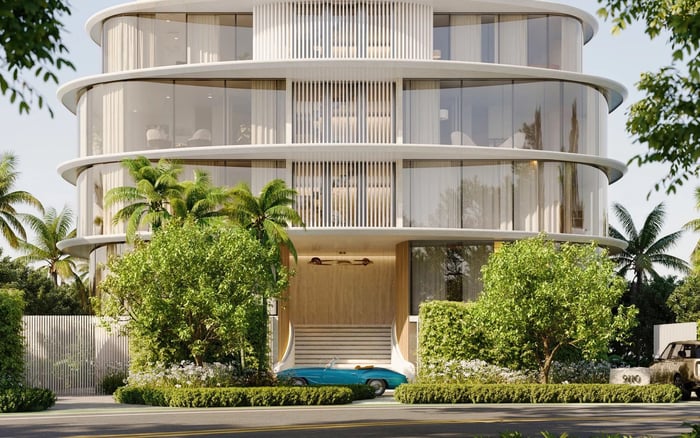
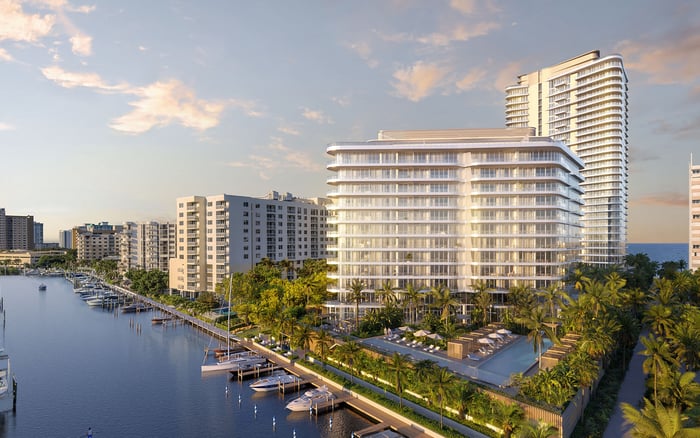
A discreet buyer guide for Toronto families evaluating Fort Lauderdale homes through the lens of docking, access, serviceability, and everyday waterfront living.
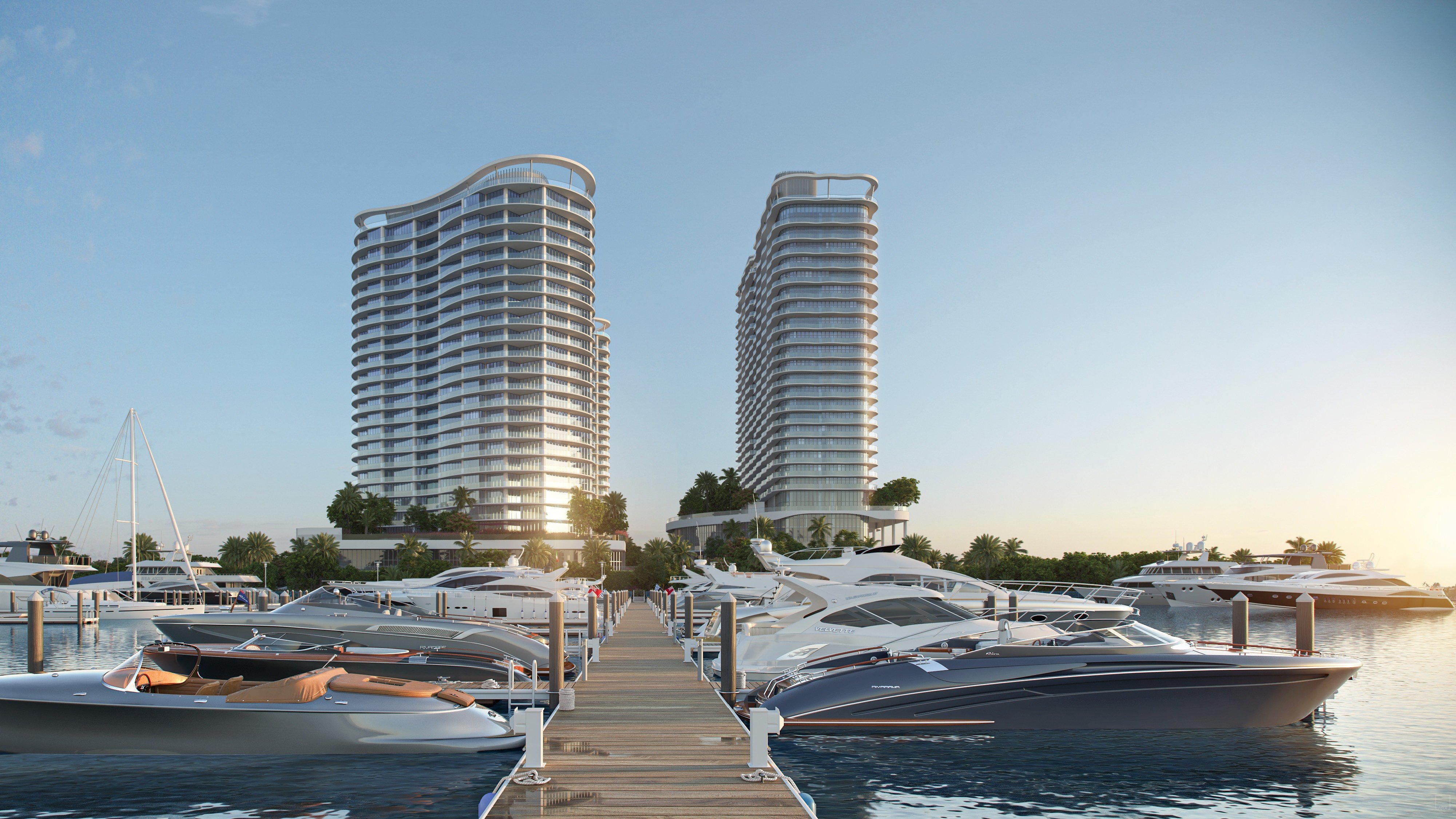
For a Toronto buyer considering a move or seasonal base in Fort Lauderdale, the most disciplined waterfront search begins with the vessel. The house is emotional; the dock is operational. A gracious terrace, a fine kitchen, and a long water view all matter, but only after the practical requirements of boating are clearly defined.
Start by writing a profile of the boat you own, intend to buy, or may want in the next cycle of ownership. Consider length, beam, draft, bridge clearance, shore power, tender storage, crew access, and how often the boat will leave the dock. A home that feels perfect on land can become limiting if the water approach, turning basin, or dock configuration does not suit the way you actually boat.
This is especially important for buyers arriving from Toronto, where waterfront living often has a different rhythm. In South Florida, the dock can function as a daily-use extension of the residence. It is not merely a scenic backdrop. It is part of the household infrastructure.
Deep-water language is often used loosely in luxury marketing. A practical buyer should translate it into a disciplined sequence of questions. Can the vessel sit comfortably at the dock at different tides? Is there sufficient water depth not only at the seawall, but also through the approach? Are there fixed bridges, tight turns, or narrow canals that affect the boating experience? Is the dock layout compatible with the vessel, the tender, and guest movement?
A boat slip should be treated with the same seriousness as a primary suite. The details shape daily enjoyment: fendering, cleats, lighting, power, water, dock surface, security, and the transition from house to vessel. A beautiful waterfront estate loses some of its elegance if boarding feels awkward or service access is constrained.
For many buyers, the strongest properties are not simply those with the longest frontage. They are the properties where docking, maneuvering, privacy, and household flow work together. Waterfront quality is a composition, not a single measurement.
Fort Lauderdale appeals to Toronto buyers because it offers a mature waterfront lifestyle with a sophisticated residential spectrum. The city allows buyers to think in layers: canal-front estates, near-beach residences, urban addresses, private docks, nearby marina access, and lock-and-leave condominium living.
A buyer focused on a single-family home may prioritize direct dock control. A buyer who wants less maintenance may prefer a condominium lifestyle paired with separate boating arrangements. That is why a residence such as Riva Residenze Fort Lauderdale can enter the conversation for someone who wants a refined Fort Lauderdale base while evaluating boating logistics nearby.
The point is not that every luxury residence must solve the entire docking equation on site. The better question is whether the address supports the boating life you want without adding friction. For some owners, that means stepping from the garden to the yacht. For others, it means a polished home base near preferred marine services.
Water views are seductive, but access is decisive. Buyers should study the route from dock to open water with the same care they would apply to a floor plan. The difference between an easy departure and a complicated one can shape how often the boat is used.
Consider the turning radius near the property, the feel of the canal, and the number of maneuvers required before the vessel is underway. Ask how the approach feels in wind, in passing traffic, and at different times of day. A wide, calm approach can be more valuable in daily use than a more dramatic view with operational constraints.
The same logic applies to an urban lifestyle. Las Olas, beach-area addresses, and central Fort Lauderdale neighborhoods each offer a different balance of dining, privacy, boating access, and everyday convenience. A buyer who values walkability may accept a different dock arrangement than a buyer whose priority is a larger vessel at the back door.
Not every Toronto buyer wants a seawall, dock maintenance, and storm preparation built into ownership. A condominium can provide a more contained form of South Florida living while leaving boating to a marina membership, a yacht club arrangement, or a separately managed slip.
This is where branded and service-rich residences become relevant. St. Regis® Residences Bahia Mar Fort Lauderdale may appeal to buyers who want Fort Lauderdale waterfront energy in a more hospitality-minded setting. Four Seasons Hotel & Private Residences Fort Lauderdale speaks to a buyer who values service, beach proximity, and ease of seasonal arrival.
A condominium does not replace the romance of a private dock. It reframes it. For some owners, the smartest luxury is not having every asset attached to the same address. The home can be about service, security, and views, while the boating infrastructure is handled elsewhere with professional oversight.
For a single-family waterfront acquisition, the inspection process should extend beyond the structure. The seawall, dock, pilings, lift equipment, electrical systems, drainage, and shoreline condition deserve careful review by qualified specialists. Buyers should also understand whether desired improvements are straightforward or likely to require approvals.
This is not a place for assumptions. A home may be beautifully renovated while its marine infrastructure requires meaningful attention. Conversely, a more understated house may have a superior dock arrangement that makes it a better long-term platform for a serious boater.
Waterfront also changes maintenance culture. Salt air, sun exposure, storms, marine growth, and equipment wear are part of the ownership calendar. Toronto buyers accustomed to seasonal lake or cottage patterns should prepare for a more continuous approach to care. The reward is year-round usability, but the obligation is year-round stewardship.
Broward offers a deep ecosystem for owners who think of boating as a lifestyle rather than an occasional pastime. Service providers, captains, detailers, provisioning, storage, and marine trades are part of the practical luxury equation. A buyer should ask not only where the boat can sit, but how easily it can be maintained.
For a lock-and-leave owner, management matters. Who watches the property when you are in Canada? Who prepares the boat before arrival? Who handles a storm plan? Who coordinates vendors when the owner is not in residence? The most successful cross-border ownership structures feel calm because responsibilities are assigned before they become urgent.
Residences such as The Ritz-Carlton Residences® Fort Lauderdale can appeal to buyers who want a polished service culture while maintaining proximity to the waterfront rhythm of the city. The key is aligning the residence with the support system, not just the view.
Create a simple scoring framework before touring. Separate the emotional from the operational. Rate each property on boating access, dock configuration, privacy, serviceability, storm planning, maintenance burden, household flow, guest comfort, and resale flexibility.
Then ask a sharper question: would this home encourage you to use the boat more often? If the answer is no, the property may be beautiful but not practical. If the answer is yes, the home is beginning to justify its premium.
For buyers considering a broader South Florida lifestyle, nearby coastal markets may also enter the conversation. Pompano Beach, for example, offers its own oceanfront residential energy, with projects such as Armani Casa Residences Pompano Beach giving buyers another way to think about design, beach access, and the boating-adjacent life.
The best Fort Lauderdale purchase is rarely the one that wins on a single feature. It is the one where the home, dock, water route, maintenance plan, and lifestyle all reinforce each other. For Toronto buyers, that means resisting the urge to buy the view before understanding the water.
Deep-water practicality is a form of quiet luxury. It reveals itself when departures are easy, guests board comfortably, vendors can work efficiently, and the owner arrives from the airport to a home that functions as beautifully as it photographs. That is the standard worth pursuing.
Should Toronto buyers prioritize a private dock or a condo lifestyle? It depends on how central boating is to daily life. Serious boaters may prefer direct dock control, while seasonal owners may value service-rich condominium living with separate marine arrangements.
What is the first docking question to ask? Start with the vessel’s length, beam, draft, and bridge clearance needs. The boat’s requirements should shape the property search from the beginning.
Is a longer seawall always better? Not necessarily. Dock layout, access, water depth, turning room, and usability can matter more than frontage alone.
Why does the route to open water matter? A simpler route can make boating more frequent and less stressful. Tight turns, bridge constraints, or awkward approaches may reduce everyday enjoyment.
Can a luxury condo still work for a boater? Yes, if the owner is comfortable using separate marina or slip arrangements. The condo can provide security, service, and ease while boating is managed nearby.
What should be inspected beyond the house? Buyers should review seawalls, docks, pilings, power, lifts, drainage, and marine-related systems. These elements can affect both cost and usability.
How important is vendor access? Very important for absentee and seasonal owners. Maintenance is easier when captains, detailers, and service teams can work efficiently.
Does Las Olas suit every boating buyer? Las Olas can be compelling for lifestyle and access, but each property must be evaluated individually. The right fit depends on vessel size, privacy needs, and daily routine.
What makes waterfront ownership different from non-waterfront ownership? Waterfront homes add marine infrastructure, salt exposure, and storm planning to the ownership calendar. The lifestyle is exceptional, but it requires active management.
How should buyers compare several strong options? Use a written scorecard that separates emotion from function. The best choice should make boating, maintenance, and seasonal living feel effortless.
To compare the best-fit options with clarity, connect with MILLION.
If branded residences are on your mind — as a home or as an allocation — we would be glad to share what we are seeing, privately.
Begin a quiet conversation