For a Toronto family office acquiring a Bal Harbour residence, disciplined execution means matching USD liquidity to contractual deadlines, measuring all-in exchange costs and preserving reserves beyond closing.
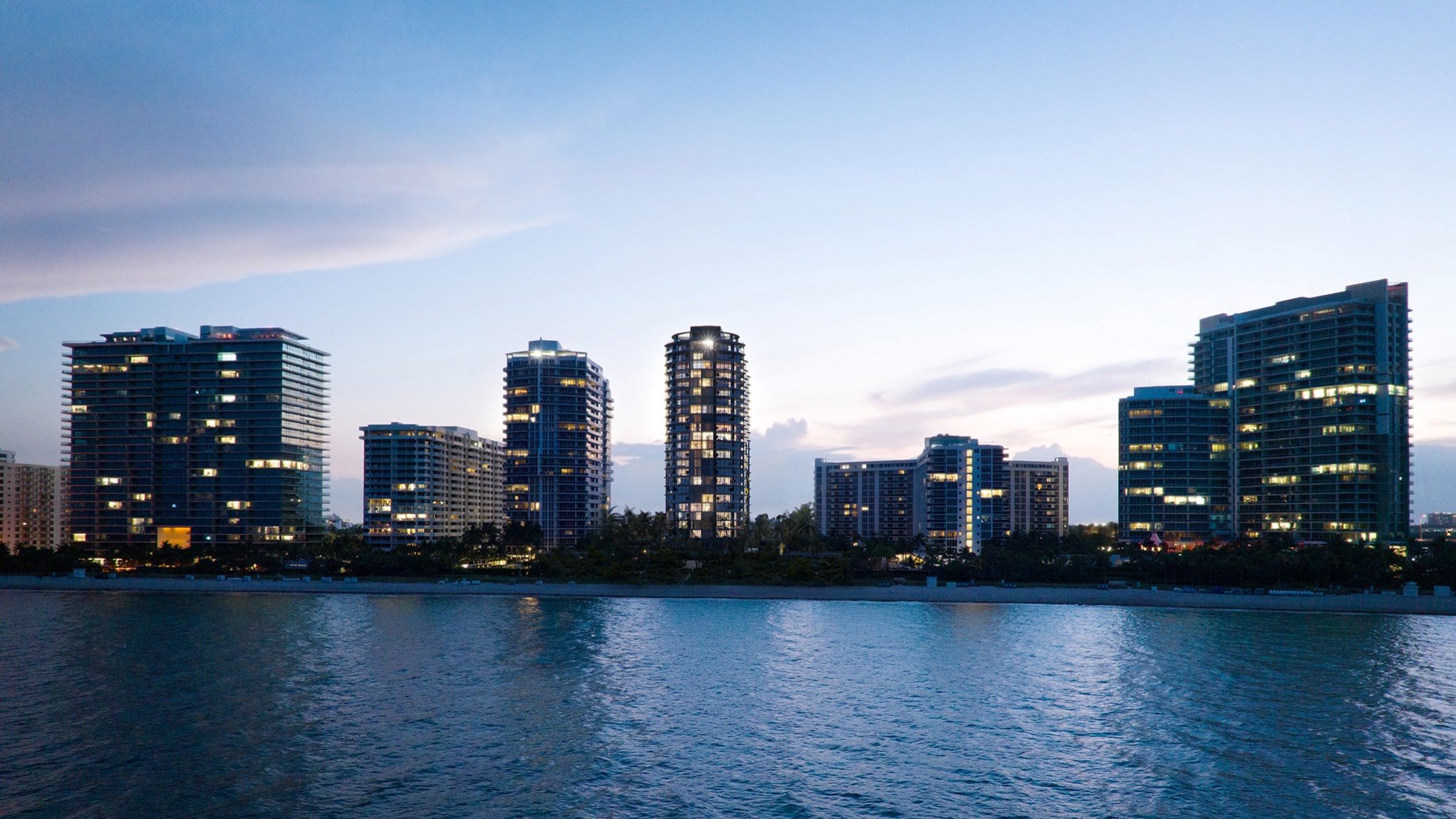
A Toronto family office considering a Bal Harbour residence faces two decisions: which property belongs in the family's portfolio, and how to fund the purchase without making the transaction depend on a favorable exchange-rate move. The second deserves the same discipline as the first.
Whether the shortlist includes Rivage Bal Harbour or another residence, the executed contract governs-not a general impression of how South Florida purchases work. Deposit dates, permitted payment methods and closing obligations should form a treasury calendar before capital is committed.
The objective is straightforward: maintain enough accessible USD to meet each obligation while preserving flexibility over capital not yet due. A substantial Canadian balance is not the same as closing-ready U.S. liquidity.
There is no universal Bal Harbour deposit schedule. Use the executed agreement to identify deposit amounts and deadlines, rather than relying on an illustrative timetable.
Confirm separately when the purchase-price balance and closing-related amounts must be available. Do not assume every obligation within the transaction shares the same funding deadline.
For each payment, the family office should record the USD amount, contractual trigger, recipient, required payment method and person responsible for internal approval. Ask counsel to distinguish calendar days from business days and identify any conditions affecting release or refundability.
The same discipline applies when evaluating Oceana Bal Harbour. A project name does not establish the terms of an individual purchase. Underwrite the actual agreement, then work backward from each deadline to set internal conversion and transfer dates.
A useful planning framework divides the acquisition into four buckets: deposits, the remaining purchase balance, closing costs and post-closing reserves. These are management categories, not mandatory account structures or contractual requirements.
The deposit bucket should match the next binding payment. The balance bucket should reflect the purchase amount still payable after deposits and any confirmed financing. Keep closing costs distinct so transaction expenses do not consume funds allocated to the purchase price.
The reserve bucket protects the family's position after possession. Size it around expected obligations and the property's documentation, not a universal percentage. If Canadian borrowing funds the acquisition, available liquidity should cover more than the down payment alone.
Assign each bucket a currency, funding source and availability date to make the plan actionable. This also prevents the same dollars from being counted toward both a closing obligation and an operating cushion.
CAD-to-USD funding costs can include the exchange-rate spread, an outgoing wire fee and intermediary-bank charges. A low visible transfer fee does not necessarily deliver the best net USD result; the embedded exchange spread may be the larger expense.
Compare quotations using one consistent question: how much USD will reach the designated account for a specified CAD debit, after identified charges? Confirm how long the quote remains valid and whether receiving or intermediary deductions fall outside it.
Exchange timing should follow contractual exposure, not a forecast presented as certainty. One option is staged conversion aligned with payment dates. Another is to discuss hedging with a treasury provider. Neither is automatically preferable, and any hedge requires review of its terms, costs and obligations.
Keep the distinction clear: conversion reduces uncertainty over the CAD cost of a funded USD obligation, while funds left in CAD remain exposed to subsequent exchange-rate changes. The appropriate balance depends on the family's liquidity priorities.
One possible route is to convert CAD, stage USD in a U.S.-domiciled account and then send the payment required by the transaction. This separates exchange execution from final disbursement, but the receiving arrangement must be confirmed with the closing agent.
Cross-border account access does not guarantee that a retail transfer channel can accommodate a luxury acquisition. Eligible-account rules, transaction limits and payment methods require advance review. A channel convenient for recurring household expenses may not suit a purchase-price transfer.
Large cross-border movements can involve financial-institution reporting and source-of-funds checks. Prepare a documented funding trail and confirm the institutions' requirements. Do not artificially split transfers to avoid reporting.
If the search extends to Bay Harbor Towers, maintain the same payment discipline. A change in destination property should trigger a fresh review of the receiving instructions and contract-not an assumption that the earlier funding plan still fits.
For a financed Miami residential purchase, approximately 3% to 5% of the purchase price can serve as a preliminary closing-cost planning range. This is an estimate, not a quotation; replace it with transaction-specific figures from the closing agent and lender.
Mortgage-related Florida taxes also warrant a distinct line item. The documentary stamp rate on a mortgage note is $0.35 per $100, while the nonrecurring intangible tax is 0.2% of the secured amount. Have advisers confirm applicability and calculation before finalizing the funding schedule.
A CAD-denominated HELOC used to fund a USD purchase creates a currency mismatch between the borrowing and the acquisition obligation. Assess that mismatch separately from the property's appeal. Access to credit neither removes exchange exposure nor eliminates the need for closing and operating liquidity.
For a Surfside alternative such as The Delmore Surfside, reserve planning should remain property-specific. Review association budgets, insurance deductibles, capital projects and assessments rather than applying a uniform cash buffer across the shortlist.
A reasonable first-year reserve can be a useful planning objective, but it is not a universal requirement. Size it to reflect expected expenditures and the family's willingness to convert additional CAD later. Keep this cushion separate from funds already allocated to closing.
The acquisition plan should also account for a future sale by a foreign owner. FIRPTA generally requires buyer withholding of 15% of the amount realized, usually the gross sale price rather than the seller's profit, subject to applicable exceptions.
That withholding is a payment toward eventual U.S. tax liability, not necessarily the final tax owed. It can nevertheless create a liquidity gap in sale proceeds. Florida mortgage-related taxes and federal FIRPTA withholding are separate matters and should not be confused.
For the family office, the principle holds from entry to exit: plan around cash that will actually be available when needed, not simply the property's headline value.
Explore South Florida residences with MILLION while keeping your acquisition strategy grounded in contract-specific funding and reserve planning.
If branded residences are on your mind — as a home or as an allocation — we would be glad to share what we are seeing, privately.
Begin a quiet conversationNo. Deposit amounts and deadlines are contract-specific, so the family office should use the executed agreement rather than a general market timetable.
They can be managed separately alongside closing costs and post-closing reserves. This planning framework helps prevent the same funds from being assigned to multiple obligations.
Compare the exchange-rate spread, outgoing wire fee and potential intermediary charges. The useful comparison is net USD delivered for a specified CAD debit.
There is no universally preferred approach. Staged conversion can be considered around payment dates, while any hedging arrangement requires review of its terms and obligations.
That is one possible funding route. Confirm account eligibility, transfer limits and the final payment method with the institutions and closing agent.
No. Maintain documented transfers and prepare for financial-institution reporting and source-of-funds checks rather than artificially splitting payments to avoid them.
Approximately 3% to 5% of the purchase price is a preliminary planning estimate. Replace it with transaction-specific figures before final funding.
A CAD-denominated HELOC funding a USD acquisition creates a currency mismatch. Evaluate that exposure separately from the property's merits and the availability of credit.
Review association budgets, insurance deductibles, capital projects and assessments. A reasonable first-year cushion is a planning option, not a universal percentage or mandatory buffer.
For a foreign seller, buyer withholding generally equals 15% of the amount realized, subject to applicable exceptions. It is credited toward eventual U.S. tax liability but can temporarily reduce available sale proceeds.