Five Boca Raton residences are assessed for private dining, catering support, entertaining infrastructure, and the event rules buyers should verify in writing.
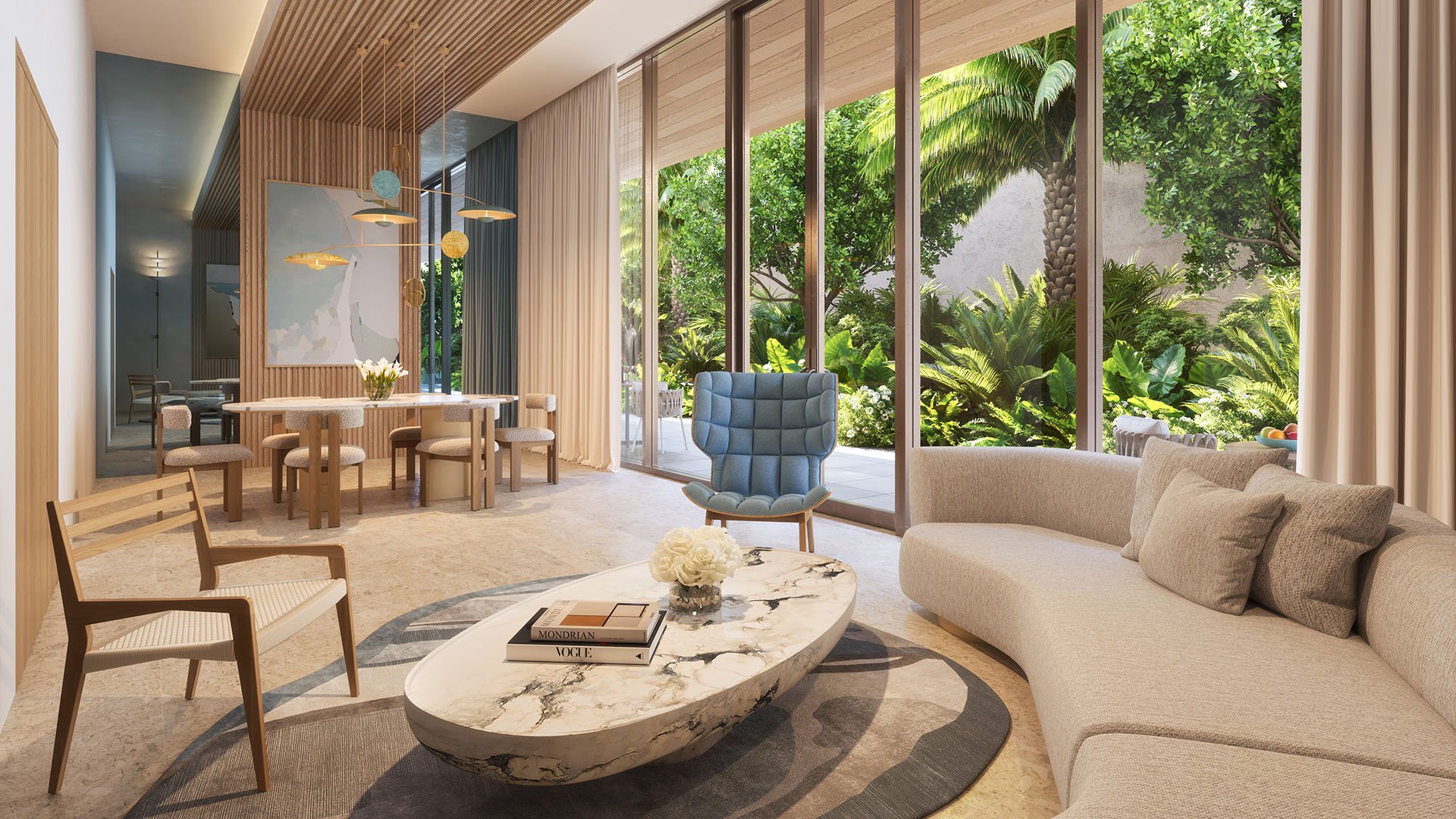
For a primary residence, entertaining infrastructure is more than an occasional amenity. It can shape weekly family dinners, holiday gatherings, business hospitality, and the ease of hosting without turning a private kitchen into a commercial workspace. The critical distinction is between an attractive room and a complete service framework.
A polished private-dining room may photograph beautifully, but buyers should look beyond the finishes. The strongest proposition combines an appropriate gathering space, practical food-service support, controlled access, and written rules governing reservations, guests, vendors, deliveries, alcohol, cleanup, deposits, and cancellations. In this ranking, clear professional support carries more weight than architectural promise alone.
That standard is especially relevant in Boca Raton, where lifestyle priorities often extend beyond seasonal use. Readers of MILLION's Buyer's Guides may also recognize the growing appeal of Branded Residences, but a hospitality name does not replace document review. Buyers comparing The Residences at Mandarin Oriental Boca Raton with conventional condominiums should evaluate what is physically provided, professionally staffed, and contractually permitted.
The strongest entertaining amenity is a complete service framework, not simply a beautiful room.
1. Mandarin Oriental Residences Boca Raton: Via Mizner, Boca Raton
Mandarin Oriental ranks first because its hospitality offering connects residential entertaining with professional food service. In-residence dining includes access to hotel catering, giving homeowners an alternative to arranging every dinner or reception through independent vendors.
Private chefs are also available for dinner parties and intimate family dinners. That combination makes the residence the most complete choice here for buyers seeking both everyday discretion and professionally supported occasions. Even so, owners should confirm current menus, fees, hours, minimum spending, guest limits, and booking procedures in writing.
2. The Addison on the Ocean: oceanfront Boca Raton
The Addison takes second place for its renovated in-building restaurant, an uncommon and practical condominium amenity. Food service encompasses breakfast, lunch, takeout dinners, and private-event catering, creating continuity between daily dining and hosted functions.
Alfresco options include the pool deck, gazebo, and areas near the ocean. For a full-time owner, this range can simplify both informal meals and larger occasions. Buyers should still establish which spaces may be reserved privately and which remain shared during an event.
3. ALINA Residences Boca Raton: downtown Boca Raton
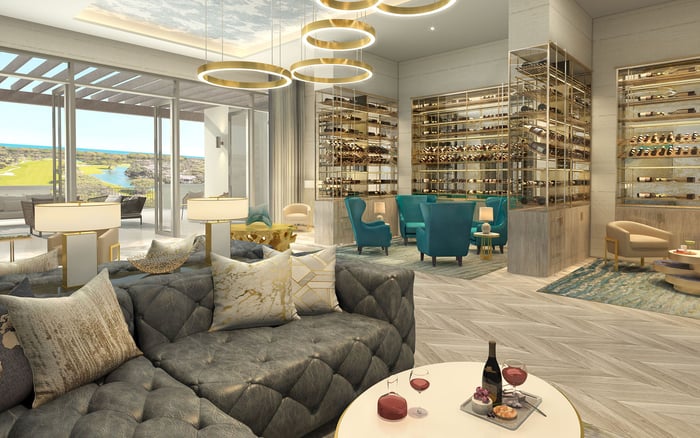
ALINA ranks third for its purpose-built entertaining facilities. The club room features a catering kitchen and private-dining space, while the broader amenity setting includes a wine display, exterior terraces, storage areas, and a game room. Together, these elements support a more layered gathering than a standalone lounge.
The amenity description does not specify guest caps, caterer approval procedures, reservation priority, or cancellation rules. Buyers should therefore view the infrastructure as compelling but distinct from the permissions that govern its use.
4. Glass House Boca Raton: 280 East Palmetto Park Road, Boca Raton
Glass House places fourth for its controlled-access approach. Reserved for residents, the Palmetto Lounge includes a landscaped patio intended for private gatherings. An outdoor catering kitchen with a barbecue grill adds practical support on the amenity deck.
The Palmetto Bar is likewise exclusive to residents, reinforcing privacy over public access. Prospective owners should confirm whether that exclusivity allows an individual resident to reserve the setting, how guests are admitted, and which staffing or vendor conditions apply.
5. Akoya at Boca West: 20155 Boca West Drive, Boca Raton
Akoya ranks fifth on a provisional basis. Valet and resident services may assist with arrivals and the broader hosting experience, but the available project information does not establish private-dining facilities, catering support, or event terms.
A buyer whose household entertains regularly should not infer those capabilities from general resident service. Written confirmation from management is essential before treating Akoya as a setting for catered dinners or private functions.
The third- and fourth-ranked choices illustrate why physical amenities and operating rules require separate review. Alina Residences Boca Raton offers a clearly articulated setting for dining and entertaining, but a catering kitchen does not by itself establish that residents may cook there, engage any caterer, or reserve the adjoining room exclusively.
Similarly, Glass House Boca Raton provides residents-only social space and outdoor catering infrastructure. Controlled access is valuable, but it does not resolve questions about event duration, noise, deliveries, insurance, alcohol service, or post-event cleaning. These terms may materially affect how naturally the amenity fits a household's routine.
Public amenity language is a useful starting point, not the final authority. Request the current condominium declaration, rules and regulations, amenity reservation agreement, fee schedule, and any event-specific forms. Management should clarify reservation windows, resident priority, occupancy limits, deposits, cancellation terms, and whether an owner must remain present throughout the function.
Vendor logistics warrant equal scrutiny. Confirm the process for caterer approval, certificates of insurance, deliveries, service-elevator use, loading access, setup times, waste removal, security, and valet coordination. If alcohol will be served, request the applicable building policy and determine whether approved staffing is required. A primary-residence buyer should also ask how often a household may reserve a space and whether holiday dates follow different procedures.
Clarity protects both the host and neighboring residents. It also reveals the building's true operating character. A residence with a smaller dining room, dependable staffing, and transparent rules may prove more useful than a grand salon constrained by uncertain access or restrictive vendor procedures.
Mandarin Oriental offers the strongest service bridge, while The Addison presents the most convincing resident-restaurant model. ALINA and Glass House provide thoughtfully defined event settings, subject to rule verification. Akoya requires the most extensive written confirmation before a buyer relies on it for entertaining.
The final choice should reflect the household's actual pattern. Frequent intimate dinners may favor in-residence service and private chefs. Regular celebrations may place greater value on exclusive reservations, catering circulation, storage, terraces, and reliable cleanup. In a primary home, operational ease is the luxury that endures after the guests depart.
For discreet guidance on South Florida residences suited to refined everyday living and entertaining, connect with MILLION.
If branded residences are on your mind — as a home or as an allocation — we would be glad to share what we are seeing, privately.
Begin a quiet conversationMandarin Oriental Residences Boca Raton ranks first for its combination of in-residence dining, hotel catering access, and private-chef service.
It combines an in-building resident restaurant with breakfast, lunch, takeout dinners, alfresco options, and private-event catering.
Yes. ALINA lists a club room with a catering kitchen and private-dining space, plus terraces, storage, and a wine display.
The available amenity description does not specify guest caps, caterer approvals, reservation priority, or cancellation rules.
Glass House identifies the residents-only Palmetto Lounge and landscaped patio, along with an outdoor catering kitchen and barbecue grill.
Akoya advertises valet and resident services, but its private-dining facilities, catering support, and event terms require written confirmation.
No. The term describes infrastructure, not necessarily cooking permission, open vendor choice, or exclusive room access.
Buyers should request current condominium rules, reservation agreements, fee schedules, and forms covering guests, vendors, deposits, cancellation, and cleanup.
A well-equipped room does not establish reservation rights, guest limits, vendor access, or staffing requirements. Buyers should verify those terms in writing.
Confirm approval procedures, insurance requirements, delivery access, service elevators, setup windows, alcohol policies, security, and waste removal.