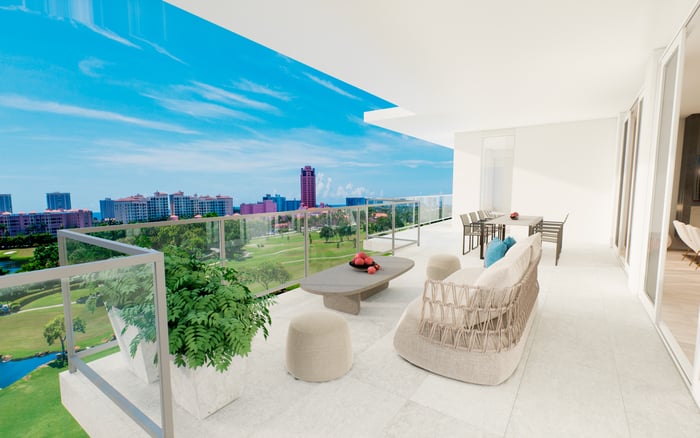
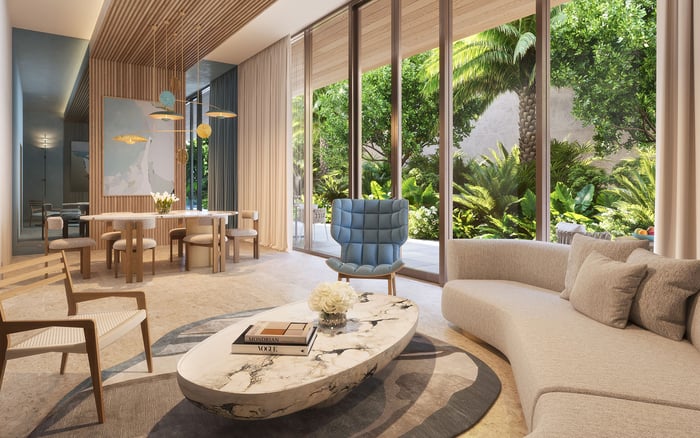
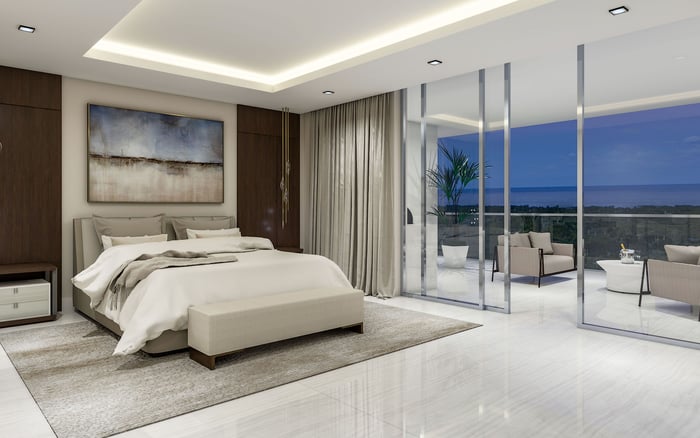
Generous terraces deserve a disciplined ownership budget. This buyer’s guide explains how to evaluate waterproofing, corrosion protection, reserve funding and maintenance responsibilities at The Residences at Mandarin Oriental Boca Raton, without mistaking regional repair benchmarks for project-specific liabilities.
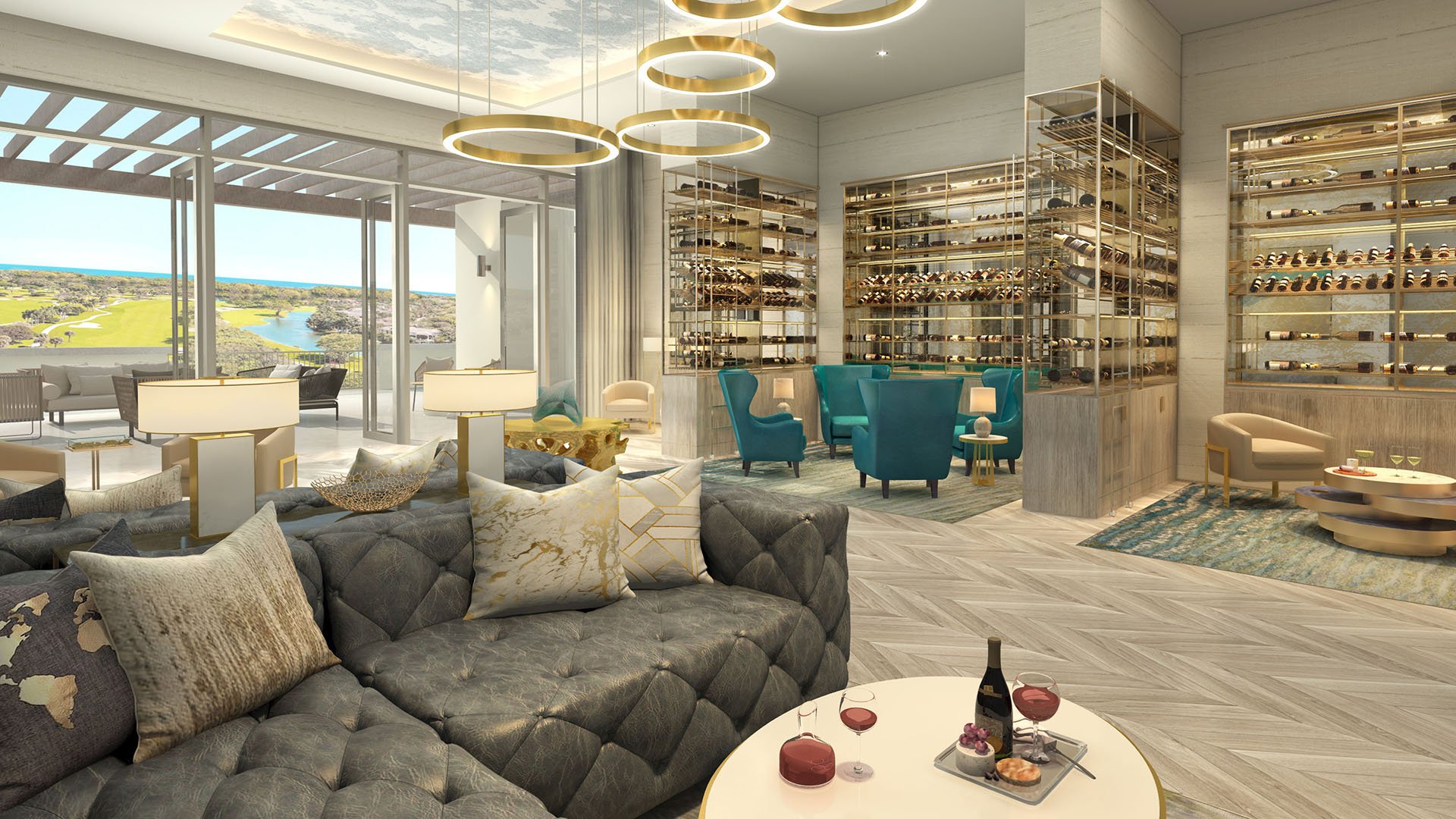
A generous terrace can make a luxury residence feel substantially more expansive: a place for quiet mornings, outdoor dining and evenings that extend beyond the living room. At The Residences at Mandarin Oriental Boca Raton, advertised features include exceptionally large terraces with outdoor natural-gas barbecues. That promise merits both an aesthetic appraisal and a long-term financial review.
The distinction matters. The residences are listed as upcoming; that status does not establish a completion or occupancy date. Nor is there a documented basis here for alleging corrosion, leaks, deficient waterproofing or a pending assessment. This is a guide to prudent ownership planning, not a diagnosis of the property.
The buyer’s task is to understand what protects the outdoor space, who must maintain it and how eventual work would be funded. Brand affiliation is no substitute for those answers.
Advertised terrace specifications include glass, metal and/or concrete railings and Bianco Laso Matte standard flooring. Balcony dimensions vary by residence, so a generic allowance should not replace a review of the actual floor plan and terrace area.
The visible finish is only the beginning. Request the membrane specification, drainage details, railing-anchor details and corrosion-resistant hardware specifications. Ask how these elements work together, what maintenance the system requires and which activities or alterations could affect its warranty.
Coastal waterproofing systems can use high-performance coatings and elastomeric membranes to protect concrete, stucco and masonry against moisture and ultraviolet damage. If waterproofing fails, salt-laden moisture can reach reinforcing steel, where corrosion can contribute to concrete cracking and spalling. That sequence explains why protection matters; it does not establish that deterioration exists here.
Nor should a buyer assign this property the exposure profile of an older oceanfront tower. Its salt exposure has not been quantified. Have an appropriately qualified professional evaluate the actual design and conditions rather than importing assumptions from a different building.
Treat the terrace as a set of components, not a single maintenance line. Finishes, membranes, railings, anchors and structural slabs may each raise different ownership and payment questions. The condominium declaration and related documents should establish those allocations. Exclusive use should not be assumed to mean exclusive financial responsibility.
Request a written responsibility matrix identifying who inspects, maintains, repairs and replaces each component. Reconcile it with the governing documents, warranty terms and capital plan. Include the barbecue installation in this review, asking who is responsible for its maintenance and any associated terrace interfaces.
For someone also considering Alina Residences Boca Raton, this provides a useful comparison framework: weigh documented responsibilities alongside outdoor space, rather than comparing terrace size alone. The comparison need not presume that the buildings share construction systems, obligations or exposure.
Ask what records will document ongoing care and who retains them. A warranty is more useful for ownership planning when its coverage, exclusions, maintenance conditions and responsible parties are clear.
An indicative Boca Raton balcony-waterproofing estimate ranges from $5,000-$15,000 per unit, depending on building size, condition and access. This is a contextual benchmark, not an independent market average, a quotation for these residences or a forecast of any owner’s assessment.
Broader coastal-condominium examples place waterproofing involving roofs, balconies and exterior walls at $80,000-$500,000 per building. A separate concrete-restoration estimate for mid-rise coastal condominiums spans $50,000-$300,000 per building. These figures reflect different scopes and scales; they are not interchangeable measures of the same repair.
Do not multiply the balcony range by an assumed unit count, add the building-wide ranges and label the result a future liability. Costs may overlap, access requirements differ, and the allocation to an individual residence depends on governing documents and available funding.
Interior damage belongs in a separate contingency discussion. A Boca Raton benchmark for standard water-damage restoration is $10,800-$31,000 per project, including extraction, drying, mold prevention, and drywall and flooring repairs. It is not an allowance matched to a particular luxury interior’s specifications, nor does it establish that a leak will occur.
A useful model separates recurring cash flow from uncertain capital exposure. Build it with residence-specific documents and estimates. Leave unresolved amounts as open questions rather than filling them with invented precision.
Routine maintenance.
Identify owner-paid care, inspections and minor upkeep required by the applicable specifications and warranties. Establish which services, if any, are already included in association charges.
Reserve contributions.
Review the reserve study, balances and capital plan to understand what is being funded. If reserve contributions are included in association dues, do not count them again as a separate annual expense.
Capital-replacement exposure.
Examine the documented work assumptions, funding and allocation applicable to the residence. Do not impose a universal 20-25-year membrane replacement cycle or a blended assessment allowance without technical support.
Interior leak contingency.
Keep potential interior restoration separate from exterior waterproofing. Review relevant insurance coverage, exclusions and deductibles with an adviser before assuming either full reimbursement or full owner liability.
Disruption costs.
Consider the personal value of terrace access, scheduling flexibility and any accommodation needs if work restricts use. These are planning considerations, not established project costs.
The same discipline helps when comparing Glass House Boca Raton: use consistent categories, but obtain separate inputs for each property. Comparable spreadsheets should not conceal different responsibilities.
A balcony-waterproofing benchmark of 2-5 days per unit describes work duration, not an entire building’s completion schedule. A separate local structural-restoration benchmark gives 30-60 days for smaller scopes, such as a balcony stack or parking-deck section. The distinction illustrates why membrane-only work and structural intervention should not share a single disruption assumption.
Request that any future proposal distinguish mobilization, work at the residence, restricted-use periods and overall sequencing. For a seasonal owner, timing may matter as much as the invoice. Do not translate a short work-duration estimate into a promise that the terrace will be unavailable for only that interval.
Before committing, assemble the technical specifications, warranties, maintenance requirements, condominium declaration, reserve study and capital plan. Confirm current association charges and the residence’s obligations through transaction documents. Obtain building-specific compliance documentation rather than assuming inspection deadlines or reserve requirements from a general guide.
The objective is not to discount the pleasure of a large terrace. It is to distinguish the lifestyle being purchased from the maintenance and capital responsibilities that accompany it. A well-supported budget makes that pleasure easier to evaluate with confidence.
For a discreet perspective on South Florida residential ownership, explore MILLION.
If branded residences are on your mind — as a home or as an allocation — we would be glad to share what we are seeing, privately.
Begin a quiet conversationNo documented project defect or pending assessment is established here. The article addresses preventive due diligence and budgeting, not an identified failure.
No. The upcoming-residences designation does not establish a verified completion or occupancy date.
Advertised features include exceptionally large terraces with outdoor natural-gas barbecues, glass, metal and/or concrete railings, and Bianco Laso Matte standard flooring. Balcony dimensions vary by residence.
Failed waterproofing can let salt-laden moisture reach reinforcing steel, where corrosion can cause concrete cracking and spalling. The property’s specific exposure has not been quantified.
Request the terrace membrane specification, warranty, maintenance requirements, drainage details, railing-anchor details and corrosion-resistant hardware specifications.
Review the condominium declaration and related documents to establish responsibility for finishes, membranes, railings and structural slabs. Do not assume that exclusive terrace use determines every payment obligation.
It is an indicative per-unit range presented for context, with pricing dependent on building size, condition and access. It is not a quotation for these residences or a forecast of future assessments.
No project-specific replacement cycle is established here. Use technical documentation and professional advice rather than assuming a universal 20–25-year interval.
A waterproofing benchmark is 2–5 days per unit, while a separate structural-work benchmark is 30–60 days for scopes such as a balcony stack. Neither establishes a project-specific restricted-use period or building-wide schedule.
Separate routine maintenance, reserve contributions, capital-replacement exposure, interior leak contingencies and disruption costs. Reconcile overlapping repair scopes and do not add reserve contributions twice when they are already included in association dues.