A buyer-focused assessment of four South Florida residences with documented air, water, lighting, sleep, or recovery features. A fifth ranking slot is withheld because the supplied material does not support another qualifying residence, and all pet policies require direct verification.
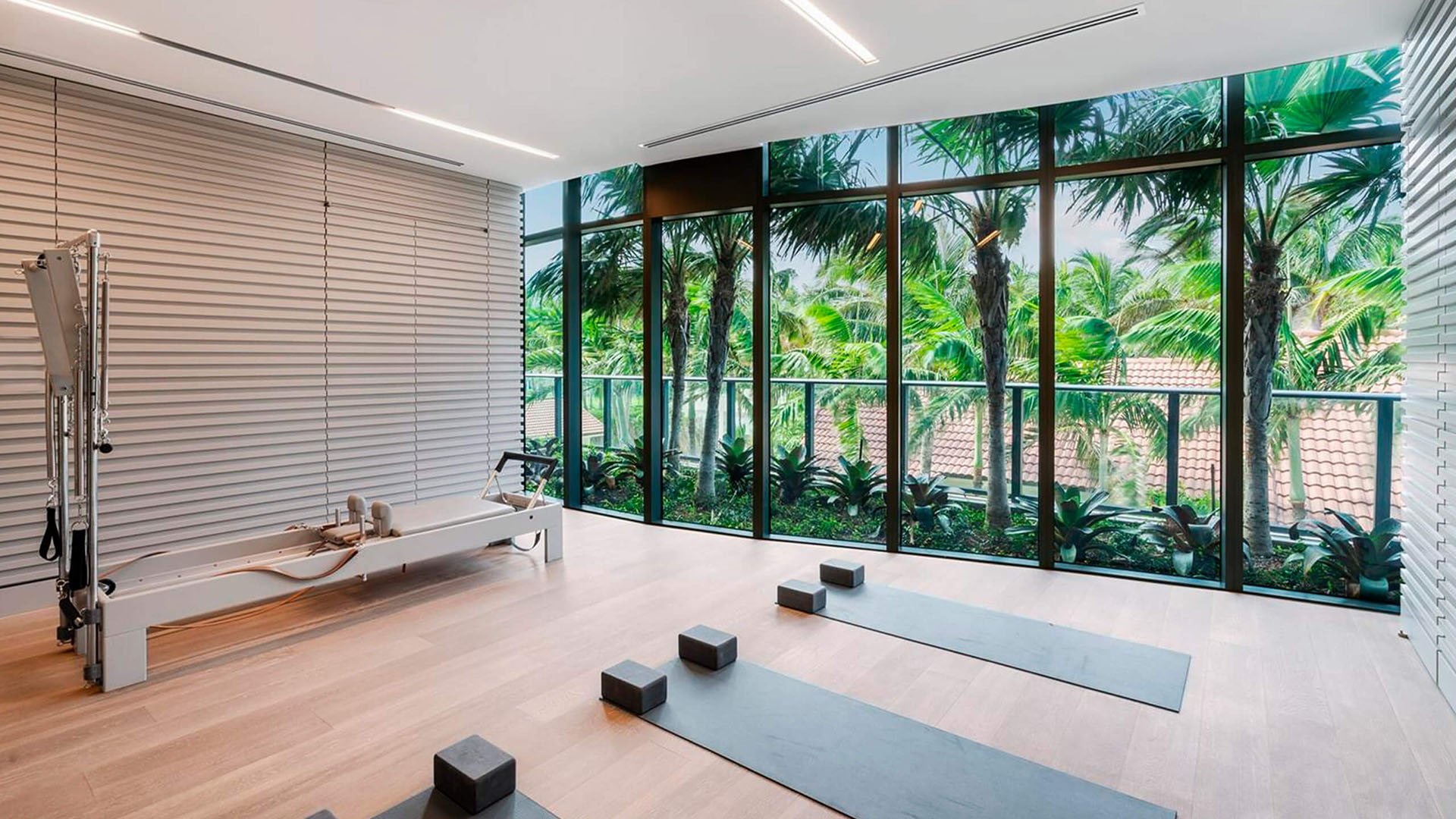
For pet owners, residential wellness is most compelling when it extends beyond serene aesthetics to the building systems that shape daily life. Air purification can help address airborne particles and odors. Water treatment can provide a more controlled supply before water reaches a residence. Circadian lighting and sleep-oriented systems can support the human side of recovery.
The distinction matters. None of the systems considered here is documented as having a pet-specific certification, and the available project details do not establish pet permissions, breed restrictions, weight limits, pet spas, or dog runs. Buyers should therefore assess two separate questions: how rigorously a property approaches environmental wellness and whether its current governing documents accommodate the household’s animals.
The most credible wellness residence pairs documented building systems with pet rules that work in practice.
“Measurable” does not always mean that a project publishes laboratory results or numerical thresholds. It can also describe systems designed to monitor, calibrate, filter, or treat environmental inputs. The Delos DARWIN platform, for example, is described as monitoring and calibrating indoor air quality, filtering airborne pollutants, improving water quality, and regulating circadian lighting. That is more specific than a general promise of healthy living.
The strongest disclosures identify what is treated, where treatment occurs, and whether a feature operates inside residences or throughout common areas. Edge House Miami provides the clearest percentage-based statement in this group: its planned ClearCentral system is designed to treat 100% of incoming building water. Certification language demands equal precision because a target or pursuit is not the same as a certification already earned.
Recovery may encompass circadian lighting, enhanced sleep technology, physician-led evaluations, acupuncture, or dietary consultation. These features primarily serve residents rather than animals, but they can be meaningful for owners building a home routine around work, exercise, rest, and pet care.
The supplied material supports four qualifying residences rather than five. To avoid inventing a project or assigning wellness credentials without documentation, the fifth position remains unassigned.
1. Villa Valencia - Coral Gables
Villa Valencia ranks first for the breadth of its integrated Delos DARWIN network. Its documented program encompasses air purification, water filtration, lighting solutions, and enhanced sleep systems. Circadian-friendly lighting is intended to bring qualities of the natural environment indoors, while DARWIN’s broader stated capabilities include indoor-air monitoring and calibration.
The recovery proposition extends beyond environmental controls. Resident services include physician-led health evaluations, acupuncture, and consultations with a dietitian. Villa Valencia was described as pursuing National Green Building Standard certification, but final certification is not established here.
2. The WELL Coconut Grove - Coconut Grove
The WELL Coconut Grove combines smart air filtration, water purification, circadian lighting, and low-VOC materials as stated project features. This layered approach considers both active systems and material selection, creating a broader environmental-wellness proposition than filtration alone.
The project is targeting Florida Green Building Design Silver Certification. Buyers should treat that as a stated goal unless current project documentation confirms completion. Pet owners should separately obtain the latest rules governing animals and their use of common spaces.
3. Muse Residences - Sunny Isles Beach
Muse Residences centers its wellness-home concept on three environmental elements: air, water, and light. The residences were planned with purified air, filtered water, and lighting intended to mimic natural sunlight, giving the concept a clear framework.
For households with animals, purified air and filtered water may be relevant considerations, but they are not evidence of pet-specific performance. The value lies in the documented residential systems, subject to confirmation of their current operation, maintenance, and coverage within a particular home.
4. Edge House Miami - Edgewater
Edge House Miami is planned as a short-term-rental tower incorporating CLEAR biosecurity systems. Its ClearCentral system is designed to treat 100% of incoming building water before it reaches residences, making the project’s water claim unusually explicit.
ClearAir purifiers are also planned for corridors on every residential floor, aiming to maintain filtered and odor-controlled common areas. Its documented recovery offering is less extensive than those above, but the planned building-level water treatment and corridor-air strategy merit attention.
5. Unassigned pending documentation
No fifth South Florida residence can be responsibly ranked from the supplied material. Buyers should not interpret the absence of a fifth selection as a market-wide conclusion; it reflects the need for project-specific documentation supporting air, water, or recovery claims.
Environmental systems do not answer the practical questions that determine whether a residence works for an animal-owning household. Before contracting, request the current declaration, rules and regulations, application materials, and any applicable lease restrictions. Confirm the permitted number of pets, size or weight limits, breed language, guest-animal rules, service-animal procedures, elevator protocols, and restrictions on terraces or common areas.
Ask management to explain how air and water equipment is maintained. Key topics include responsibility for filter replacement, servicing intervals, monitoring access, in-residence components, common-area coverage, and whether owners receive performance information. For water systems, establish whether treatment occurs at the building intake, within the residence, or at both points. For air systems, distinguish in-home purification from filtration limited to corridors.
Pet owners should also review everyday movement through the property. The route from residence to street, elevator access, cleaning policies, and management of odors in enclosed common areas can matter as much as a branded wellness platform. None of these operational details should be assumed from wellness language alone.
The supported residences occupy distinct South Florida settings. Buyers focused on Coral Gables can review Cora Merrick Park for neighborhood context. Farther north, Muse places its air-water-light concept within Sunny Isles Beach, while Edge House brings planned environmental systems to Miami’s Edgewater district.
Buyers comparing Edgewater locations and residential options can also examine Aria Reserve Miami. These project links provide market context, not substitutes for governing documents, technical specifications, or pet-policy confirmation.
The best fit depends on which layer of wellness carries the greatest weight. Villa Valencia offers the broadest documented blend of air, water, lighting, sleep, and recovery services. The WELL Coconut Grove unites filtration, purification, circadian lighting, and low-VOC materials. Muse presents a concise residential concept organized around air, water, and light. Edge House stands out for its planned whole-building water-treatment claim and corridor-level air purification.
For pet owners, the final decision still turns on direct confirmation. Review current association rules, verify system coverage, request maintenance details, and distinguish planned features from operating ones. The home’s environmental infrastructure and animal policies must work as one coherent proposition.
For discreet guidance on South Florida residences aligned with your household’s wellness priorities, connect with MILLION.
If branded residences are on your mind — as a home or as an allocation — we would be glad to share what we are seeing, privately.
Begin a quiet conversationVilla Valencia ranks first for its stated combination of air purification, water filtration, circadian lighting, enhanced sleep systems, and recovery services.
The supplied material supports only four qualifying residences. The fifth position is withheld to avoid assigning unsupported wellness credentials.
No. The documented air, water, and odor-control systems are not presented as pet-specific certifications or performance standards.
No. Buyers must verify current permissions, limits, restrictions, and procedures directly with management or the association.
DARWIN is described as monitoring and calibrating indoor air quality while also supporting air filtration, water quality, and circadian lighting.
Final National Green Building Standard certification is not established here; the property was described as pursuing it.
Its stated features include smart air filtration, water purification, circadian lighting, and low-VOC materials.
The project is targeting Florida Green Building Design Silver Certification, which should not be treated as completed without current confirmation.
Muse organizes its residential wellness concept around air, water, and light, including purified air, filtered water, and lighting intended to mimic natural sunlight.
They should confirm pet rules, system coverage, maintenance responsibilities, filter servicing, common-area access, and whether disclosed features are planned or operating.