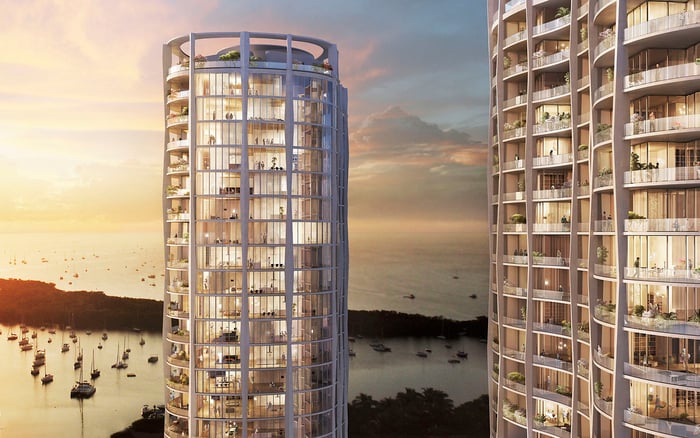
A private-client framework for moving from Abu Dhabi to Coconut Grove, with disciplined checks on resale timing, condominium funding, discreet showings, and building-specific buyer approval.

For a household rebasing from Abu Dhabi to Coconut Grove, the purchase decision should account for both arrival and departure. A residence may suit the family's daily life beautifully yet require more time, documentation, or financial preparation to sell than expected. The private-client question is not simply whether the home feels right, but whether ownership remains manageable when plans change.
Resale readiness belongs in the acquisition brief. Before committing, define the intended holding period, the capacity to carry the property through a slower sale, the acceptable level of showing exposure, and who will manage decisions if the owner is overseas. These are planning choices, not predictions of future demand.
Keep cross-border tax, immigration, banking, and ownership-structure advice in a separate professional workstream. The local property checklist below does not establish Abu Dhabi-specific requirements or determine the appropriate legal structure for a particular family.
An October 2026 Coconut Grove condominium snapshot recorded 172 active listings, approximately 18 sales per month, and 9.5 months of supply. Sold condominiums took a median of 76 days to go under contract over the trailing 12 months. That figure measures the path to a contract, not the subsequent time required to close.
A separate September 2026 snapshot placed single-family inventory at approximately two months, compared with 11.7 months for condominiums and townhomes. The contrast is useful, but the September and October figures should not be combined into a single benchmark: their property categories and measurement periods differ.
For additional context, Q1 2026 luxury-condominium figures combining Coral Gables and Coconut Grove showed 11 months of inventory and 63 days on market. Those figures describe neither Coconut Grove alone nor its all-price condominium market. Treat each number as a dated planning reference, not a live quotation or a promise for an individual residence.
When considering Park Grove Coconut Grove, ask your adviser to assemble relevant competing listings and completed sales rather than apply a neighborhood-wide average to the purchase. The useful comparison is the residence's actual competitive set.
An exit plan should distinguish three stages: preparation for market, marketing until contract, and the period between contract and closing. The 76-day median applies only to the middle stage. It is not a complete relocation timetable, and a median is not a deadline.
Create a carrying-cost worksheet using verified property figures. Include association charges where applicable, ownership expenses, approved assessments, and any anticipated expenditure identified during diligence. Model a longer marketing period without treating that scenario as a forecast. Then decide how much flexibility the household wants to preserve.
For a residence under consideration at Four Seasons Residences Coconut Grove, the same discipline applies: evaluate the specific purchase terms, documents, and future competitive set. A project name does not establish resale speed or replace an independently considered exit budget.
Agree in advance who can authorize pricing changes, approve repairs, and coordinate document requests. A clear decision chain is particularly valuable when the owner expects to manage the property from abroad.
Florida's milestone-inspection framework applies to qualifying residential condominium and cooperative buildings with three or more habitable stories, with inspections at statutory age thresholds and periodically thereafter. Establish applicability and completion status for the specific building rather than assume every property has identical obligations.
A milestone inspection and a Structural Integrity Reserve Study, or SIRS, serve different purposes. The former assesses structural condition; the latter identifies funding needs for future major repairs. Neither substitutes for the other.
Florida's 2025 condominium reforms introduced additional flexibility for associations meeting reserve obligations and financing repairs. That flexibility does not, by itself, demonstrate that an association has funded its needs. Examine reserve balances, existing or anticipated assessments, and any reliance on loans, credit lines, or future owner contributions.
If Arbor Coconut Grove enters the shortlist, treat these as document questions wherever applicable, not assertions about the project's condition or finances. Ask counsel and the appropriate technical advisers to distinguish completed studies, identified work, and the actual funding plan.
The acquisition file should make those distinctions clear to a future buyer. A completed study alone is not proof that every financial obligation has been addressed.
Florida condominium resale contracts must include a conspicuous statement identifying a missing requirement when a required milestone inspection, qualifying turnover inspection report, or structural integrity reserve study has not been completed. This statutory disclosure obligation is separate from any association process for approving a purchaser.
Do not assume universal application fees, interviews, financial thresholds, or approval timelines. Request the governing documents and current written procedures for the specific property, with counsel reviewing their applicability.
Ask practical questions before purchase: What information must a future buyer submit? Who reviews it? What timing is stated? Are there transfer-related provisions that need legal interpretation? These are questions to verify, not requirements to presume.
For a potential purchase at Vita at Grove Isle, distinguish the documents governing the proposed acquisition from those that may govern a later resale. Record what is confirmed today and revisit it before marketing. Current procedures cannot guarantee future rules or approval outcomes.
Approach showing privacy as an agreed operating protocol. Consider appointment-only access, an identified point of contact, accompanied visits, and advance agreement on photography. Discuss whether to limit the public display of personal possessions, family photographs, and security-sensitive details.
These are recommended preferences to negotiate with the selling team, not a legally mandated privacy regime. Decide what access information should be collected, who may receive it, and how it will be handled. Review any confidentiality arrangement for practicality and legal effect rather than present it as an absolute shield.
Controlled showings do not make the property's history private. The City of Miami maintains property permit and plan records that buyers and owners can review. Discretion concerns presentation and access; it should not be confused with concealing material property information.
Maintain an organized ownership file containing applicable inspection material, reserve documentation, assessment notices, permit records, renovation approvals, and current association procedures. Ask advisers which documents require updating before a future sale.
Before renovating a potentially protected property, verify historic designation and applicable approvals through the City of Miami's historic-preservation program. Do not assume exterior changes or demolition are unrestricted. Resolve that question before making renovation central to the investment case.
The strongest private-client brief connects lifestyle preferences with documented ownership obligations. It allows for a slower exit, separates privacy from disclosure, and treats future buyer approval as a building-specific diligence question rather than a neighborhood-wide assumption.
For a discreet, property-specific acquisition and exit brief, connect with MILLION.
If branded residences are on your mind — as a home or as an allocation — we would be glad to share what we are seeing, privately.
Begin a quiet conversationIt recorded 172 active listings, approximately 18 sales per month, and 9.5 months of supply. These are dated market figures, not a guarantee of an individual property's resale timing.
No; it measures the time sold Coconut Grove condominiums took to go under contract over the trailing 12 months, not the subsequent contract-to-closing period.
Not necessarily. A September 2026 snapshot showed approximately two months of single-family inventory versus 11.7 months for condominiums and townhomes.
No; the 11 months of inventory and 63 days on market cover luxury condominiums across both Coral Gables and Coconut Grove, not Coconut Grove alone or all price tiers.
A milestone inspection assesses structural condition, while a Structural Integrity Reserve Study identifies funding needs for future major repairs. Completion of one does not substitute for the other.
No; buyers should also review reserve funding, existing or anticipated assessments, and reliance on loans, credit lines, or future owner contributions.
Florida condominium resale contracts must include a conspicuous statement identifying an uncompleted required milestone inspection, qualifying turnover inspection report, or structural integrity reserve study.
Do not assume uniform fees, interviews, financial thresholds, or timelines. Verify the governing documents and current written procedures for the specific property, and revisit them before resale.
No; the City of Miami maintains property permit and plan records that buyers and owners can review. Showing controls concern access and presentation.
Verify historic designation and applicable approvals through the City of Miami's historic-preservation program. Do not assume exterior changes or demolition are unrestricted.