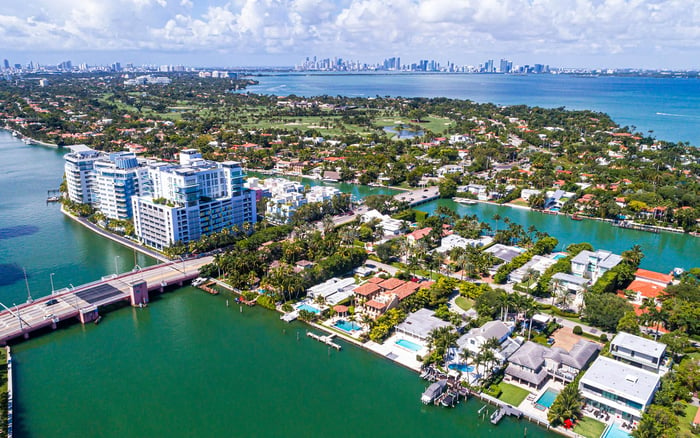
From Brickell’s urban connectivity to Coconut Grove’s village atmosphere, five South Florida neighborhoods offer distinct paths to a less car-dependent luxury lifestyle. The deciding factor is the address, not simply the neighborhood name.
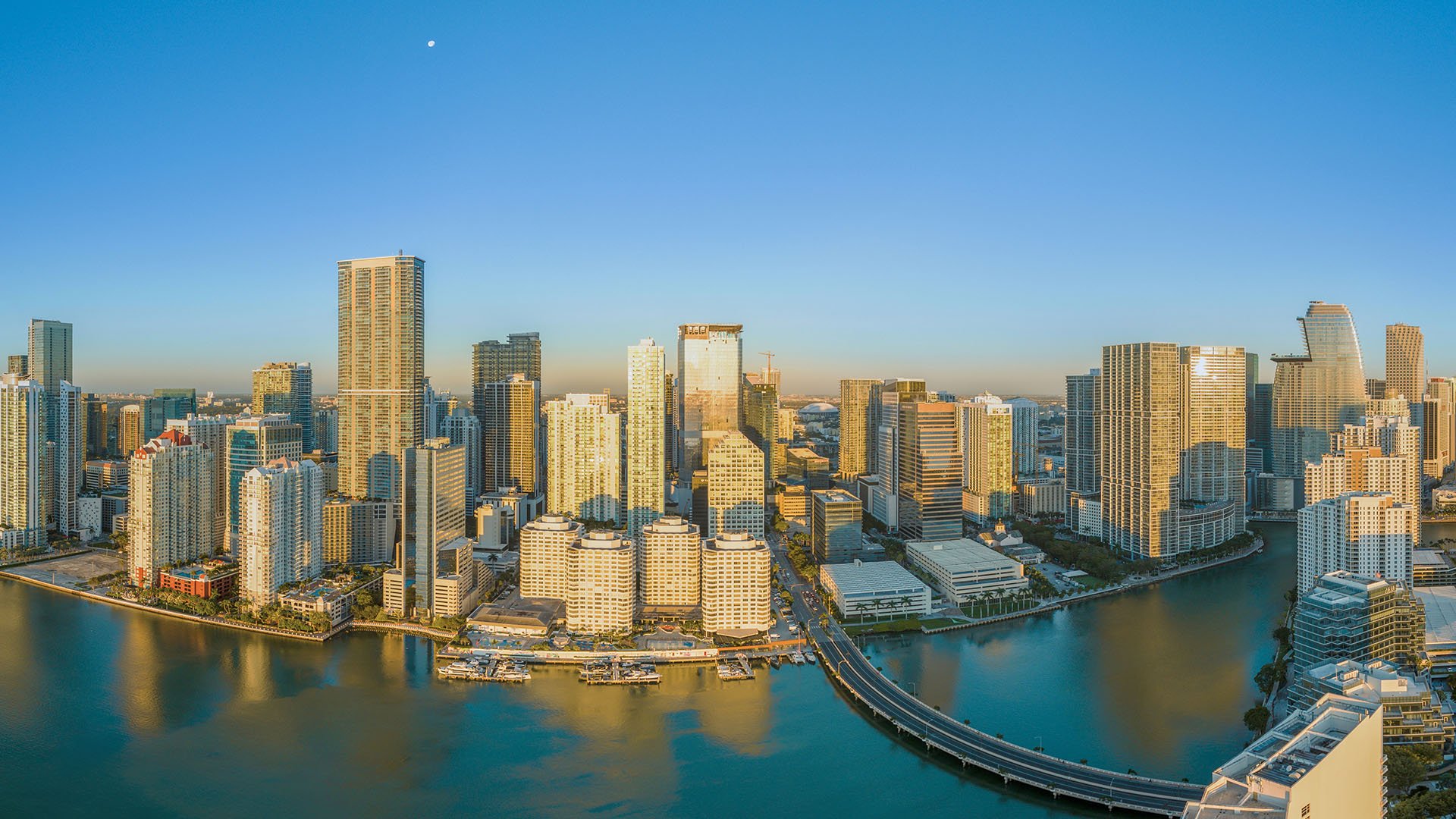
A car-light address changes the texture of a day: coffee without a parking decision, dinner without retrieving the car, a waterfront walk that begins outside the building rather than after a drive. For a South Florida buyer, that freedom merits consideration alongside views, architecture, and residential services.
The most compelling neighborhoods deliver it in different ways. Brickell combines daily necessities with rail connections. South of Fifth places beaches and waterfront recreation within a residential setting. Coconut Grove, Downtown Delray Beach, and central Coral Gables offer distinct interpretations of a walkable village or shopping district.
This is a lifestyle ranking, not a price hierarchy or an official index. Car-light does not mean car-free. The objective is to make more of an ordinary week possible on foot, while retaining a car when the destination or occasion calls for one.
1. Brickell: Miami’s strongest all-around urban option
Brickell leads because condominium towers, offices, restaurants, groceries, fitness studios, and waterfront paths converge within a compact district. Brickell City Centre and Mary Brickell Village anchor shopping and dining, giving the neighborhood substance beyond its residential skyline.
Its decisive advantage is pedestrian convenience paired with Metromover and Metrorail connections. That combination is particularly compelling for buyers who want to rely less on driving for daily errands and some journeys beyond the neighborhood. Evaluate each building against both sets of destinations: the places reached on foot and the transit connections that fit the buyer’s routine.
2. South of Fifth: Miami Beach’s beachfront choice
South of Fifth pairs luxury condominium living with pedestrian access to South Pointe Park, beaches, waterfront paths, and restaurants. For buyers whose ideal day centers on outdoor recreation rather than an office commute, it offers a particularly persuasive version of car-light living.
The neighborhood provides a quieter residential setting than central South Beach while retaining access to Miami Beach’s broader pedestrian network. Its appeal is specific: a residential base where the beach, park, and dinner can belong to the same walking-oriented routine. Buyers should still distinguish leisure convenience from the practical routes needed for groceries, services, and other recurring errands.
3. Coconut Grove: The tropical-village alternative
Coconut Grove makes its strongest case for car-light living around the village center and CocoWalk, where cafés, restaurants, boutiques, and entertainment are concentrated. Tropical greenery, waterfront residences, and shopping along Biscayne Bay distinguish the area from Brickell’s high-rise urban environment.
The essential distinction is between the village core and outlying residential sections. A Coconut Grove address alone does not make daily life walkable. For buyers drawn to the neighborhood’s atmosphere, proximity to the places they will actually use should guide the search. Its position here reflects the village-centered experience, not a blanket assessment of the entire neighborhood.
4. Downtown Delray Beach: The compact coastal-town option
Downtown Delray Beach offers a resort-town alternative to Miami’s high-rise districts. Atlantic Avenue and the Pineapple Grove Arts District form its principal pedestrian areas, providing a focused starting point for buyers who prefer a compact downtown experience.
The attraction is a change of scale and rhythm, not a substitute for Brickell’s transit connections. Buyers should focus their search on the portion of downtown they expect to use most, then test the connections between home, dining, and everyday needs. A recognizable downtown address is useful; its practical value lies in the routes to a resident’s preferred destinations.
5. Central Coral Gables: Established character near Miracle Mile
Central Coral Gables earns its place through Miracle Mile’s concentration of shops, restaurants, and services. For buyers who favor architectural character and an established residential setting, the area offers a distinct alternative to waterfront condominium districts.
Coral Gables’ broader residential appeal includes larger lots, mature landscaping, and proximity to the University of Miami. Those qualities should not be confused with uniform walkability. This recommendation centers on the Miracle Mile area. The Shops at Merrick Park is another retail destination within the city, not an extension of one continuous Miracle Mile pedestrian district. Choose the specific setting that supports the intended routine.
In Brickell, assess a residence under consideration, such as The Residences at 1428 Brickell, through its actual routes to groceries, dining, and transit. A neighborhood’s breadth of amenities matters less if the buyer’s most frequent destinations are inconvenient from the entrance they will use.
For a South of Fifth search that includes Apogee South Beach, separate recreational walks from errand routes. Walking to the waterfront and walking home with groceries are different tests. Both deserve attention before treating an address as a practical replacement for routine driving.
In Coconut Grove, apply the village-core distinction when considering Arbor Coconut Grove. Rather than assuming the neighborhood name guarantees convenience, map the routes to the cafés, shops, and everyday stops that would define your week.
A Coral Gables search involving Ponce Park Coral Gables calls for the same discipline. Establish which shopping-and-dining district matters most, then evaluate the actual journey. These are building-level questions, not benefits to infer from a project name or city address.
Begin with a personal list of recurring destinations: groceries, coffee, fitness, dinner, outdoor recreation, and any relevant transit connection. Walk the routes from the building entrance rather than relying on straight-line distance. Inspect sidewalks, crossings, and shade, and consider whether carrying purchases changes the experience.
Repeat the exercise at the times you expect to be outside. A route should serve the intended routine, not simply make for a pleasant viewing appointment. Where transit is part of the plan, examine the connection between the residence and the station with the same care given to the home itself.
The strongest choice is not necessarily the neighborhood with the longest amenity list. It is the address that puts the right destinations within a walk you would willingly repeat. Brickell leads for urban completeness, but beachfront recreation, village atmosphere, and established character may matter more to an individual buyer.
Explore a more considered approach to South Florida living with MILLION.
If branded residences are on your mind — as a home or as an allocation — we would be glad to share what we are seeing, privately.
Begin a quiet conversationBrickell ranks first for its concentration of daily necessities, dining, offices, and residences, combined with Metromover and Metrorail connections.
No. It means making more everyday trips possible on foot or through useful transit connections while retaining a car for other journeys.
South of Fifth is the beachfront choice, combining luxury condominium living with pedestrian access to beaches, South Pointe Park, waterfront paths, and restaurants.
No. Its strongest car-light environment centers on the village core and CocoWalk, while outlying residential sections require closer address-level evaluation.
Atlantic Avenue and the Pineapple Grove Arts District are the principal pedestrian areas. Buyers should test routes between prospective residences and their recurring destinations.
The ranking focuses on central Coral Gables around Miracle Mile, where shops, restaurants, and services are concentrated.
No. They are separate destinations within Coral Gables and should not be treated as one continuous walking district.
Metromover and Metrorail connections complement walking by offering options for journeys beyond the immediate neighborhood. Their usefulness depends on the buyer’s destinations and building location.
Walk from the actual building entrance to groceries, dining, recreation, and relevant transit. Assess sidewalks, crossings, shade, and the practicality of carrying purchases.
No. It is an editorial lifestyle ranking focused on pedestrian convenience, neighborhood character, and relevant transit access, not a property-price hierarchy.