From South Beach’s promenades to Coral Gables’ main streets, five walking itineraries help European buyers distinguish an appealing Miami visit from a workable everyday address.
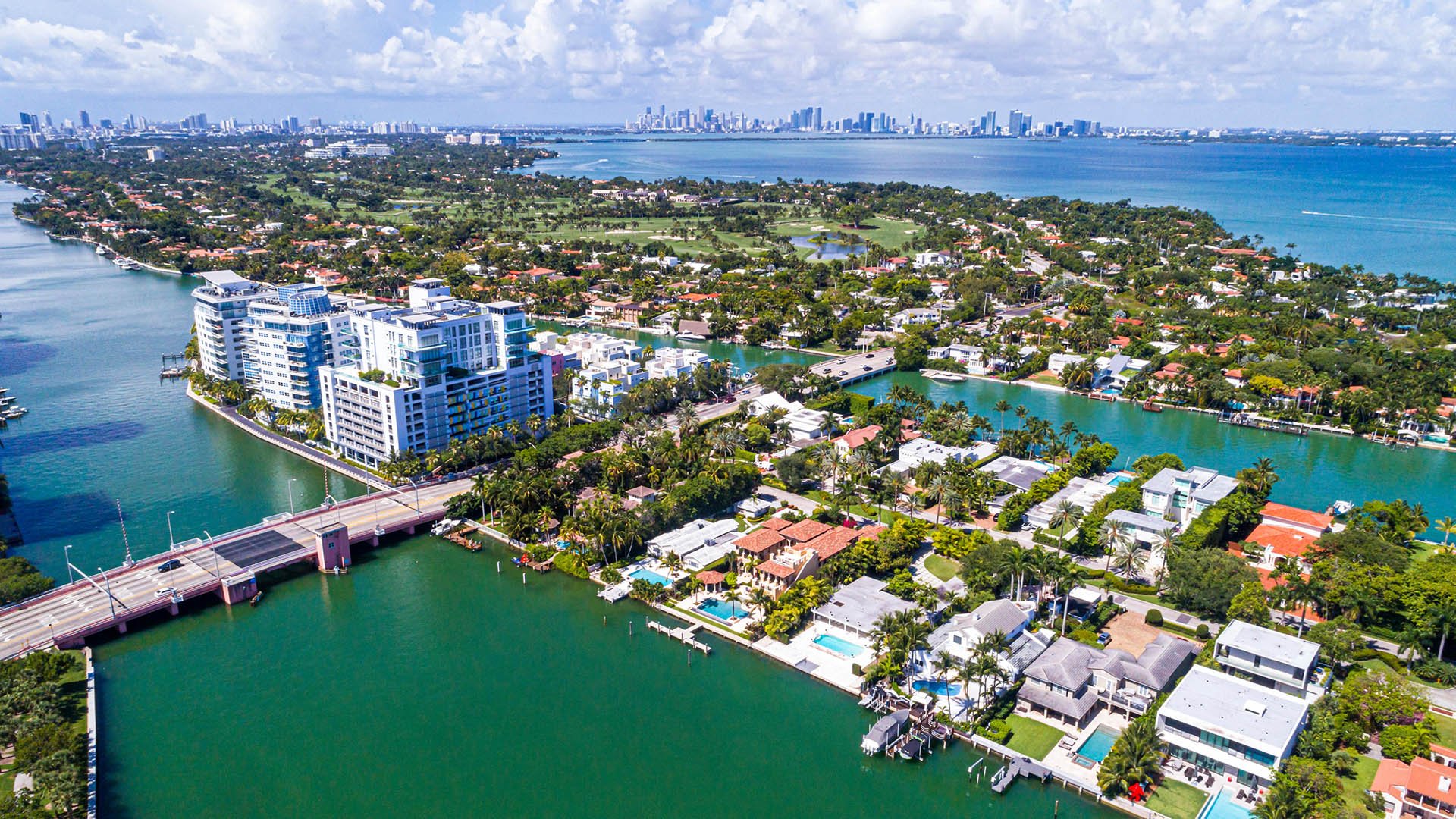
For a buyer moving from a European city, the most revealing Miami property tour may begin outside the building. Walking tests something a floor plan cannot: whether the surrounding streets support the routines you want to keep. Coffee, a gallery visit, dinner without arranging a car or an unhurried waterfront stroll can matter as much as the residence itself.
The five areas below offer distinct versions of that experience. This is an editorial ranking of walking appeal, not a numerical walkability score or a promise of car-free living. Miami is used in its broader metropolitan sense: Miami Beach and Coral Gables are separate municipalities. The essential distinction is between an appealing afternoon itinerary and a neighborhood that works for your ordinary week.
1. South Beach, Miami Beach - Pedestrian promenades and coastal exploration
South Beach takes first place for its combination of pedestrian shopping, historic architecture and oceanfront walking. Begin with Lincoln Road, a pedestrian-only promenade lined with galleries, independent boutiques and restaurants. Explore Española Way, Ocean Drive and Collins Avenue, then make time for the Beachwalk. This oceanside promenade spans the length of Miami Beach and accommodates walking, jogging and cycling.
For a focused architectural introduction, the Art Deco Welcome Center offers guided walking tours. The buyer’s question is which part of this varied setting suits daily life: the shopping promenade, the historic streets or the oceanfront route. Walk each rather than treating South Beach as a uniform experience.
2. Brickell, Miami - Dense, high-rise urban convenience
Brickell brings high-rise residences, offices, restaurants and retail together in Miami’s urban core. Its appeal lies in the concentration of destinations rather than a single scenic promenade. A useful walking circuit takes in Brickell Avenue, South Miami Avenue, Mary Brickell Village and Brickell City Centre, revealing the district’s mix of dining, shopping and nightlife.
For someone accustomed to combining work and social life within a compact urban area, Brickell is an important comparison stop. Look beyond the skyline and test the connections between destinations. The measure is not how many places appear nearby on a map, but whether you would willingly make those walks as part of a normal day.
3. Coconut Grove, Miami - Village-style walking
Coconut Grove offers a village-oriented experience around CocoWalk, Main Highway, Commodore Plaza and nearby bayfront streets. CocoWalk brings together open-air shopping and dining, a cinema and community events. The Barnacle Historic State Park adds a historic dimension, preserving an 1891 home in its original location.
The central village is the focus of this recommendation, not the entire neighborhood. The wider Grove is more dispersed and less practical to explore entirely without a vehicle. Walk the center first, then assess separately how a prospective residence connects to it. Village atmosphere and village access are related, but they are not interchangeable.
4. Wynwood, Miami - An art-and-dining walking circuit
Wynwood’s appeal centers on murals, galleries, cafés, restaurants, breweries and nightlife. Plan an exploratory walk around Wynwood Walls and NW Second Avenue. The draw is the concentration of art and hospitality, with street art offering a different visual rhythm from the coastal promenades or Brickell’s high-rise setting.
Explore it as an art-and-dining district rather than assuming it functions like a conventional residential main street. Visit when you would actually use it, whether for a gallery afternoon or an evening meal. Even a compelling cultural destination needs to be tested against the quieter, more repetitive requirements of living nearby.
5. Central Coral Gables - A traditional main-street setting
Central Coral Gables belongs on the shortlist for Miracle Mile, Giralda Avenue and Ponce de Leon Boulevard. Its landscaped, architecturally cohesive core brings restaurants, shops and galleries into a traditional main-street setting. For buyers seeking a clearly defined center rather than a waterfront promenade or tower district, it offers a useful contrast.
Keep the scope of the walk precise. The central shopping district does not place every Coral Gables destination within one continuous pedestrian itinerary. Attractions farther afield, including Fairchild Tropical Botanic Garden, require separate transportation. Assess the center on its own merits before considering the wider municipality.
South Beach and Brickell merit separate visits because they serve different preferences. One combines coastal exploration with pedestrian promenades and architectural interest; the other concentrates residences, workplaces and commercial destinations. Neither can be judged adequately from a building’s arrival court.
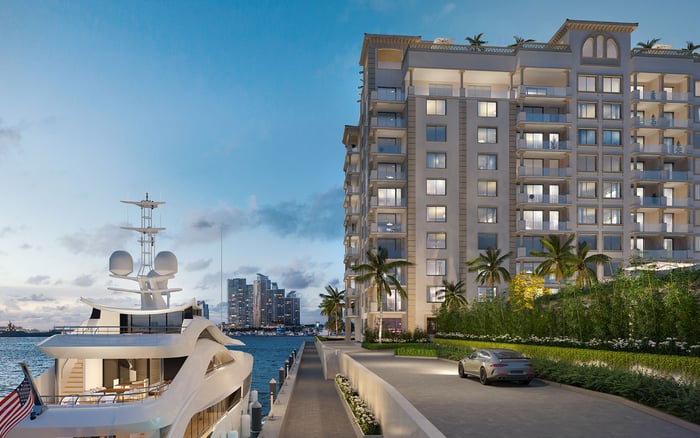
If Five Park Miami Beach enters your residential search, pair the property discussion with your own South Beach walking itinerary. Identify the destinations you would use repeatedly, then test the actual route from the address under consideration. The neighborhood’s reputation is no substitute for that exercise.
Apply the same discipline when considering The Residences at 1428 Brickell. Walk toward the dining and shopping destinations that matter to you, noting crossings, comfort and route continuity. These are personal inspection criteria, not assumptions about any particular building.
In Coconut Grove, distinguish the pleasure of spending time in the center from the experience of reaching it from home. A search that includes Four Seasons Residences Coconut Grove should include a separate walk to the destinations you expect to frequent. Decide whether those connections suit your habits rather than relying on the village label alone.
The same principle applies when reviewing Ponce Park Coral Gables. Use Miracle Mile and Giralda Avenue as reference points for the lifestyle you are evaluating, then walk the routes between your prospective address and that core. An appealing district and a convenient front door are two different purchase considerations.
Before choosing, return without a sightseeing agenda. Walk for coffee, identify a practical errand and choose somewhere you would genuinely go for dinner. Repeat a route at another time of day. Pay attention to crossings, places to pause and whether the walk feels like a pleasure or an obligation.
For a move from Europe, the objective need not be to reproduce a former city. It is to preserve the routines you value while choosing deliberately among Miami’s different settings. The strongest address is the one whose immediate surroundings support your own version of everyday life.
Explore residences aligned with your preferred neighborhood lifestyle with MILLION.
If branded residences are on your mind — as a home or as an allocation — we would be glad to share what we are seeing, privately.
Begin a quiet conversationSouth Beach ranks first for its combination of pedestrian shopping, historic architecture and oceanfront walking.
No. It is an editorial comparison of walking experiences, not a numerical walkability score or a guarantee of car-free living.
Start with Lincoln Road, then explore Española Way, Ocean Drive, Collins Avenue and the Beachwalk.
Brickell combines high-rise residences, offices, restaurants and retail in a concentrated urban district. Explore Brickell Avenue, South Miami Avenue, Mary Brickell Village and Brickell City Centre.
The central village is walkable, but the wider neighborhood is more dispersed. Assess the route from each prospective residence to the center separately.
Focus on Wynwood Walls and NW Second Avenue for murals, galleries, cafés, restaurants and nightlife.
The central walking area centers on Miracle Mile and Giralda Avenue, with Ponce de Leon Boulevard also part of the suggested exploration.
Treat it as a separate outing requiring transportation rather than part of a continuous walking itinerary through the central shopping district.
They are separate municipalities. This article uses Miami in the broader metropolitan sense.
Walk from the prospective address to destinations you expect to use regularly, and repeat the route at another time of day. Distinguish an enjoyable sightseeing walk from a workable daily routine.