A buyer’s guide to the five questions that matter most before acquiring a South Florida boat dock, from permits and submerged-land rights to vessel fit, seawall obligations, and ongoing costs.
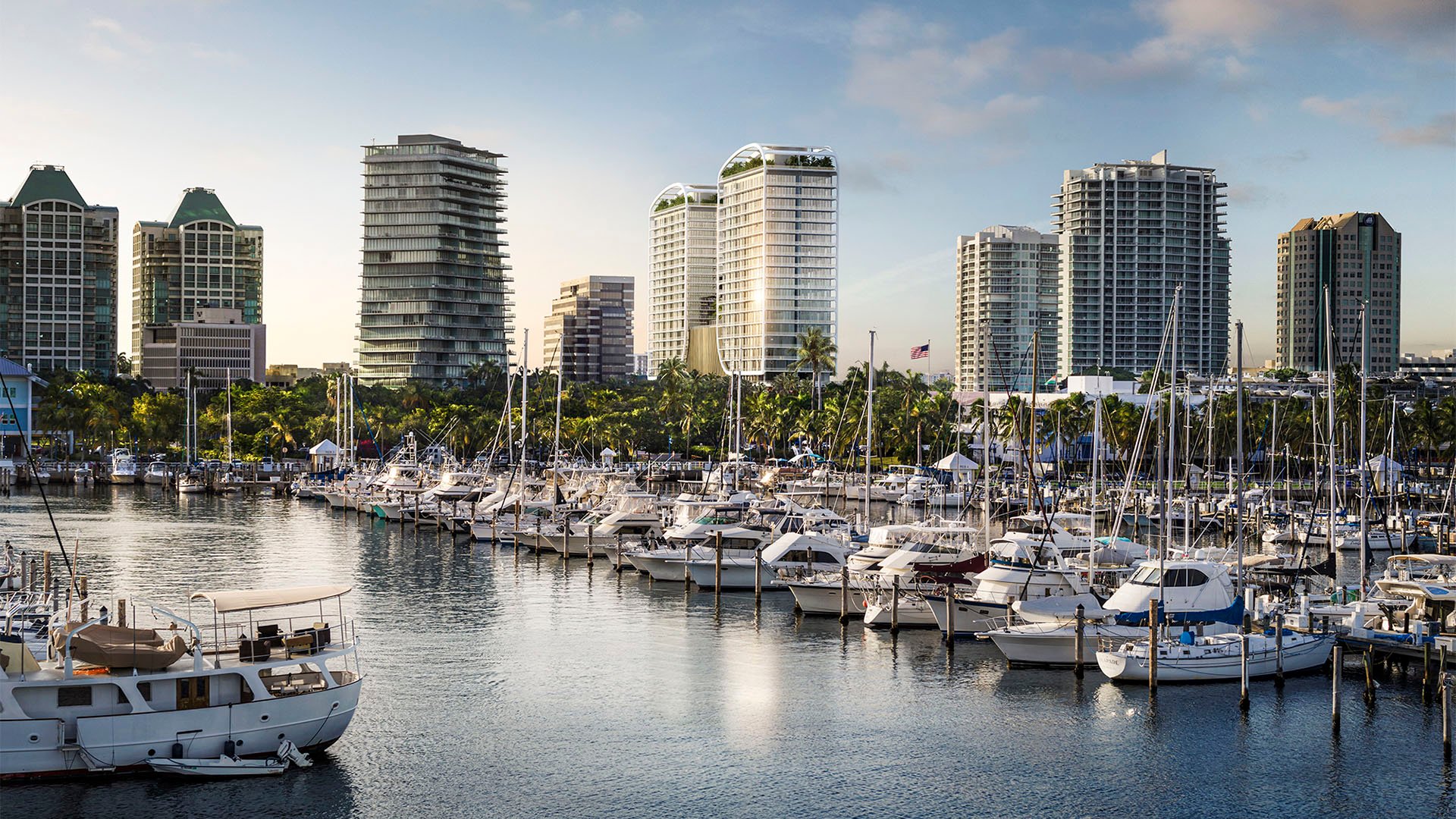
A private dock promises something unusually personal: the freedom to leave home by water. Yet the most important question is not how impressive the berth looks from the terrace. It is whether the legal rights, physical dimensions, and operating conditions support the boat you intend to keep there.
From Coconut Grove to Miami Beach, evaluate the residential purchase separately from the docking arrangement. When considering The Ritz-Carlton Residences® Miami Beach, for example, review any proposed dock arrangement through its own documents rather than inferring rights from the residence’s identity. The same discipline applies to a standalone slip or a dock attached to a waterfront estate.
1. Is the dock legally permitted, and can its authorizations be transferred or renewed? - Regulatory certainty
Request approved plans, permit history, final inspections, and violation records. Ask your advisers to compare the existing structure with its authorized layout, including lifts and later modifications. In Miami-Dade, applicable construction or modification in, on, over, or upon tidal waters or coastal wetlands requires a Class I environmental permit before work begins.
Florida’s authorization routes include self-certification, exemption verification, general permits, and individual environmental resource permits, depending on eligibility. Do not accept “exempt” as a substitute for documentation. Have counsel establish which authorizations apply, whether transfer or renewal is necessary, and what remains unresolved before closing.
2. What exactly am I buying, and who controls the submerged land and access? - Ownership clarity
A dock permit is not proof of ownership or unrestricted rights beneath the water. Environmental authorization and permission to use state-owned submerged lands are separate matters. Request the survey, title documents, easements, submerged-land authorization, and any lease or association agreement governing the berth.
Have counsel identify whether the transaction conveys ownership, a leasehold, or another documented use right. Ask who can use the dock, how access is secured, and what happens when the residence or boat changes hands. Review marina rules and association documents rather than relying on a sales description.
3. Can the dock accommodate my boat at low tide? - Vessel compatibility
Give a qualified marine professional the vessel’s dimensions and request an assessment of low-tide depth, maneuvering space, bridge clearance, lift capacity, and structural condition. The route matters as much as the berth: a comfortable tie-up is insufficient if the intended boat cannot navigate the approach under the conditions you expect to encounter.
Do not assume an unsuitable dock can simply be extended. Applicable permitting criteria can limit waterward extension to 500 feet from mean high water or 20% of the waterbody’s width, whichever is less. Have the professional assess the existing permitted layout and the feasibility of any proposed change before assigning value to expansion potential.
4. What condition is the seawall in, and who pays for repairs? - Structural exposure
Commission an engineering assessment of the seawall and clarify responsibility for maintenance and repairs. Treat the dock and shoreline stabilization as related but distinct review items. Request available repair records and a written explanation of how obligations are divided among the owner, association, or other parties identified in the governing documents.
In Miami-Dade, the seawall and bulkhead crest requirement is at least six inches above the flood criteria applicable to adjacent uplands. Have a local professional verify its application to the property and proposed work. Do not extend that requirement to Broward, Palm Beach, or individual municipalities without checking the governing local requirements.
5. Will operating restrictions, insurance, or financing limit its value? - Long-term usability
Review the entire route to open water for boating-restricted areas and manatee-protection zones. Speed and traffic restrictions can address navigational hazards and congestion, while environmental restrictions can protect sensitive resources. Assess the journey you would actually make, not merely the distance shown on a map.
Separately, obtain written confirmation from the lender and insurer for the specific dock arrangement. Ask what is covered, what is excluded, and whether the proposed ownership or use structure is acceptable. These are transaction-specific inquiries-not assurances that a dock will qualify for financing or receive a particular level of coverage.
A seller’s square-footage shorthand should never settle the permitting question. Certain private docks with up to 2,000 square feet of over-water surface area and capacity for no more than two vessels may qualify for a general permit, but additional conditions apply. Larger, commercial, multiple-dock, or higher-impact proposals may require individual authorization.
Exemptions are similarly conditional. Some docks in specially protected waters may qualify at up to 500 square feet; certain canal docks outside those waters may qualify at up to 1,000 square feet. Neither figure creates a universal entitlement. Location, environmental setting, and vessel capacity matter. Design requirements may also address shading, aquatic vegetation, and additional protections within aquatic preserves.
The practical request is straightforward: obtain a property-specific explanation of the authorization supporting the existing structure and any contemplated alterations.
In Fort Lauderdale, a residential search that includes Sixth & Rio Fort Lauderdale should keep the home decision distinct from any separate berthing decision. Ask a marine professional to evaluate the intended route, then compare its operating constraints with your preferred departure times and vessel requirements. A project name alone establishes neither slip availability nor docking rights.
Apply the same approach in Brickell when considering Una Residences Brickell. Require written confirmation of any docking arrangement under consideration, then test it against title, permits, vessel compatibility, and ongoing obligations. Residential appeal and boating suitability should support one another, but neither is evidence of the other.
Before committing, assemble a coordinated review by counsel, a qualified marine professional, an engineer, and the relevant lender and insurer. Ask each adviser to identify unresolved items in writing. The objective is not a thick folder; it is a clear account of what you may own, use, maintain, and alter.
Where documents, physical conditions, or responsibilities remain unclear, ask your advisers how those issues should be addressed in the transaction. Do not assign value to an assumed expansion, unrestricted route, or unconfirmed insurance position. The strongest docking arrangement is the one whose rights and limitations suit your actual boating life.
For a considered approach to South Florida waterfront living, explore MILLION.
If branded residences are on your mind — as a home or as an allocation — we would be glad to share what we are seeing, privately.
Begin a quiet conversationRequest approved plans, permit history, final inspections, violation records, the survey, and title documents. Include applicable easements, submerged-land authorizations, leases, and association agreements.
No. Environmental authorization and permission to use state-owned submerged lands are distinct issues that require separate verification.
Do not assume it can. Have counsel verify the transfer and renewal requirements for each applicable authorization before closing.
Miami-Dade requires a Class I environmental permit before applicable construction or modification in, on, over, or upon tidal waters or coastal wetlands. Verify the requirements for the specific proposed work.
No. Certain private docks of that size with capacity for no more than two vessels may qualify, but additional eligibility conditions apply.
Ask for an assessment of low-tide depth, maneuvering space, bridge clearance, lift capacity, and structural condition. Include the approach and intended route to open water.
Do not assume an extension is permissible. Applicable criteria can limit waterward extension to the lesser of 500 feet from mean high water or 20% of the waterbody’s width, with other conditions potentially relevant.
Do not apply it regionwide. Have a local professional verify the governing requirements for the property and any proposed work.
Boating-restricted areas and manatee-protection zones may affect how you use the route. Evaluate operating restrictions alongside physical clearance and depth.
No. Obtain written confirmation from the relevant insurer and lender addressing the specific dock arrangement, coverage terms, and financing acceptability.