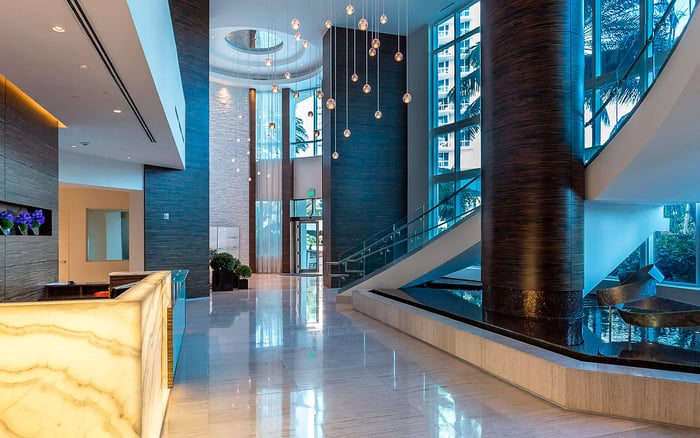
For buyers who travel with wheelchairs, scooters, or other mobility equipment, elevator due diligence should address certification, maintenance, practical fit, outage planning, and emergency communication before a residence is selected.
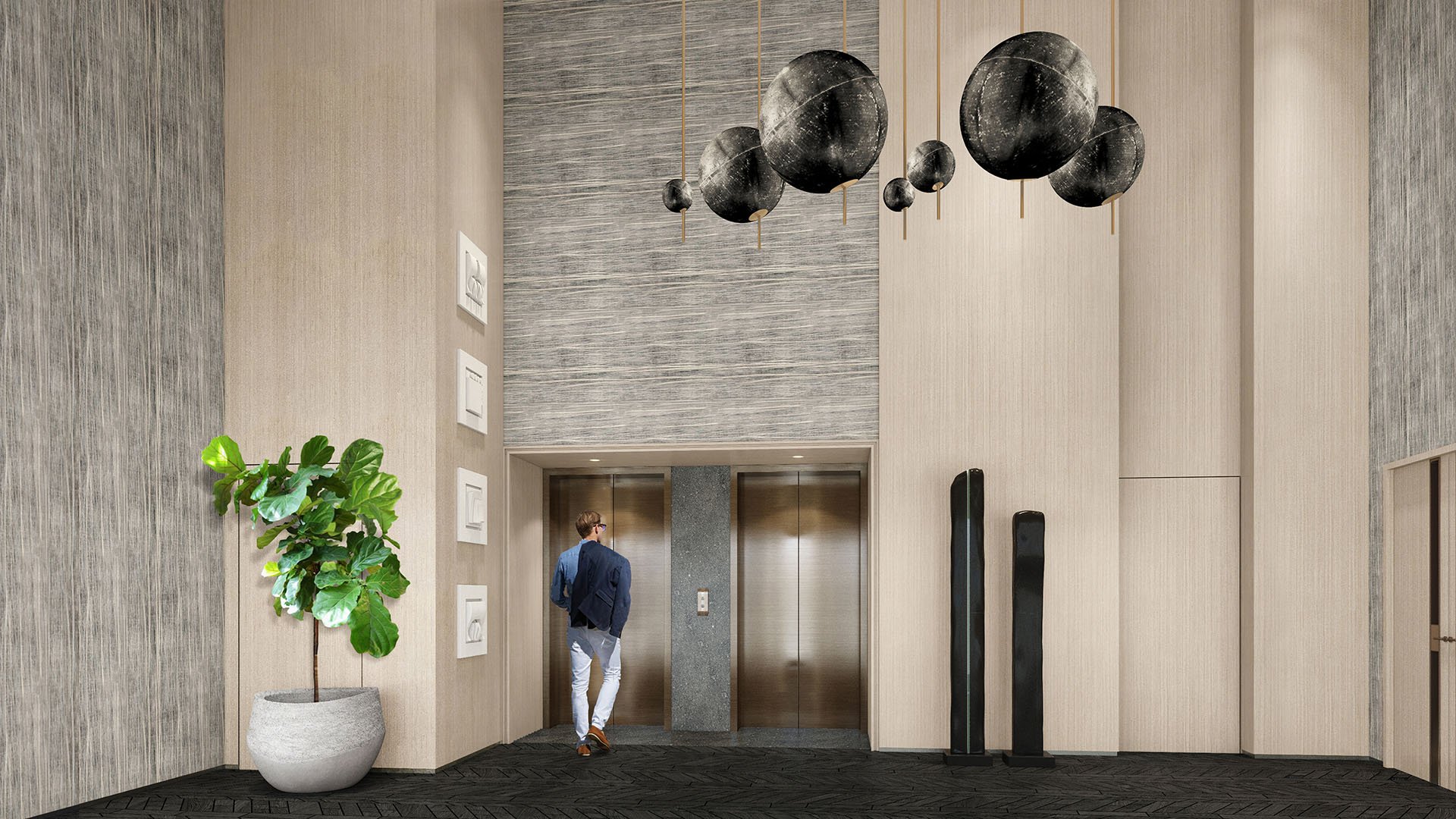
For a buyer who travels with a wheelchair, scooter, or other mobility equipment, an elevator is more than a convenience. It is part of the route home. A beautifully appointed residence warrants an equally careful review of the systems that make daily life possible.
The essential distinction is between compliance, practical fit, and operational continuity. A current certificate does not establish uninterrupted service. An accessibility designation does not prove that a particular device can maneuver comfortably. And a generator alone does not establish that residents may use an elevator during an outage.
Whether considering Una Residences Brickell or another Brickell address, make those distinctions part of the purchase conversation. The five questions below form a due-diligence sequence, not a measured ranking of failure risks.
1. Is the specific elevator serving the unit currently certified, inspected, and free of unresolved violations?
Start with the equipment that serves the residence, not a general assurance about the building. Request its Certificate of Operation, latest inspection report, and open-violation records. Match the records to the relevant elevator and request documentation showing how identified violations were resolved. Where applicable, cross-check available Miami-Dade public inspection information.
Florida generally requires covered elevators to undergo annual inspection by a certified elevator inspector or an authorized local government. Miami-Dade regulates elevators across most of the county, subject to municipal exceptions. Confirm the relevant jurisdiction before interpreting the paperwork. Certification is an important starting point, but it does not establish a record of uninterrupted operation.
2. What does the maintenance contract cover, and how quickly does the vendor respond?
Request the preventive-maintenance schedule, emergency response commitments, parts exclusions, and at least 12 months of repair and downtime logs. Read the contract alongside the operating history: what is promised and what has happened are separate questions. Ask management to explain recurring shutdowns, and distinguish a commitment to respond from a commitment to restore service.
These document requests are buyer recommendations, not universal legal requirements. Florida has a limited inspection exception for certain elevators serving two floors while a qualifying service-maintenance contract remains in effect. That exception is not proof of reliability, comprehensive parts coverage, or a particular response time.
3. Can the elevator accommodate the buyer’s actual wheelchair, scooter, or other mobility equipment?
Measure the door opening and cab, then arrange a practical trial with the equipment you use. Assess boarding, positioning, maneuvering, and exiting rather than relying on an accessible designation. If your travel routine includes a companion or additional equipment, include those circumstances in the assessment where practical.
Extend the trial along the full accessible route to the residence. Elevators commonly provide access between building stories and mezzanines, but the trip does not end at the cab door. Check the approach, intervening doors, and route to the unit. Complete this exercise before applicable inspection or cancellation deadlines, while the findings can still inform the purchase decision.
4. What happens during a power outage, hurricane, flooding event, or elevator shutdown?
Ask which elevators, if any, receive generator power, whether residents may use them during outages, and what conditions govern their operation. Request generator-testing records and the written assistance plan for periods when elevator access is unavailable. These are building-specific verification questions, not assurances that backup elevator service exists.
Make the discussion personal and practical: if the elevator serving your floor is unavailable, what arrangements apply to you and your equipment? Ask management to explain any proposed alternative route and whether it reaches the residence. Do not treat an outage plan as permission to use an elevator during an emergency; establish the building’s procedures in advance.
5. Who answers an entrapment call, and how is assistance dispatched?
The applicable accessibility standard requires two-way emergency communication in passenger elevators. Communication must reach emergency or authorized personnel-not only an automated answering system-and enable responders to establish the building location, elevator-car identification, and need for assistance.
Request the building’s after-hours monitoring and rescue procedures. Ask who receives the call, how assistance is dispatched, and how a passenger communicates mobility-related needs. An alarm button alone does not establish a response time. Arrange any demonstration through management rather than activating emergency equipment without coordination.
Miami Beach requires Certificates of Operation for commercial elevators and devices that include wheelchair lifts, stairway lifts, and limited-use/limited-access elevators. It also requires annual safety testing and correction of violations before certification. Elevator installation and repair work there must be performed by a Florida-licensed elevator company.
For a buyer evaluating Five Park Miami Beach, those local requirements frame the document review; they do not establish the condition of any particular elevator. Obtain the records applicable to the equipment serving the residence under consideration.
Florida’s statutory elevator accessibility provisions apply to elevators whose installation began after October 1, 1990. They include support rails inside cars and Arabic and Braille floor identification requirements for certain configurations. These provisions are neither a substitute for testing your own equipment nor a complete assessment of every applicable accessibility obligation.
When comparing a Sunny Isles Beach option such as Jade Signature Sunny Isles Beach with a Coconut Grove residence such as Park Grove Coconut Grove, use the same document request and equipment trial. A consistent approach keeps the decision focused on your needs rather than presentation alone.
Keep certification, inspection and violation records, the maintenance contract, repair and downtime logs, generator-testing records, and the emergency-access plan together. Distinguish documented answers from verbal assurances. If records or explanations raise questions, seek clarification before the applicable purchase deadlines.
The goal is not to promise a home without interruptions. It is to understand the equipment’s documented condition, the management arrangements behind it, and the practical consequences of a shutdown for your household. For buyers who depend on vertical access, that clarity belongs alongside the residence’s layout, outlook, and finish.
For a discreet conversation about your South Florida residential priorities, connect with MILLION.
If branded residences are on your mind — as a home or as an allocation — we would be glad to share what we are seeing, privately.
Begin a quiet conversationRequest the Certificate of Operation, latest inspection report, and open-violation records for the specific elevator serving the residence. Ask for documentation showing how identified violations were resolved.
No. Certification does not establish uninterrupted operation or guarantee that your mobility equipment will fit comfortably.
Florida generally requires annual inspection of covered elevators. A limited exception can apply to certain elevators serving two floors while a qualifying service-maintenance contract remains in effect.
Miami-Dade provides public access to elevator inspection records and other equipment information. Confirm the relevant jurisdiction because municipal exceptions apply.
Request at least 12 months of repair and downtime logs alongside the maintenance contract. This is a buyer due-diligence recommendation, not an established universal legal requirement.
Measure the door opening and cab, then test boarding, maneuvering, and exiting with the actual equipment. Assess the full route to the residence before applicable inspection or cancellation deadlines.
No. Verify which elevators receive generator power, whether resident use is permitted during outages, and what operating conditions apply.
It should clarify the building’s arrangements when elevator access is unavailable and how assistance is coordinated. Ask how those arrangements address your equipment and access needs.
Elevator emergency communication must connect with emergency or authorized personnel rather than only an automated answering system. It must enable responders to establish the building location, car identification, and need for assistance.
Miami Beach requires Certificates of Operation for devices including wheelchair lifts, stairway lifts, and limited-use/limited-access elevators. It also requires annual safety testing and correction of violations before certification.