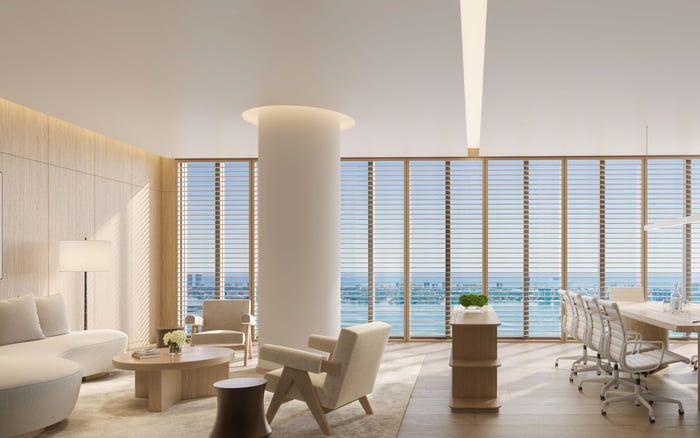
A buyer-focused ranking of North Bay Village residences and ownership formats suited to families planning across generations, with guidance on privacy, flexibility, governance and long-term stewardship.
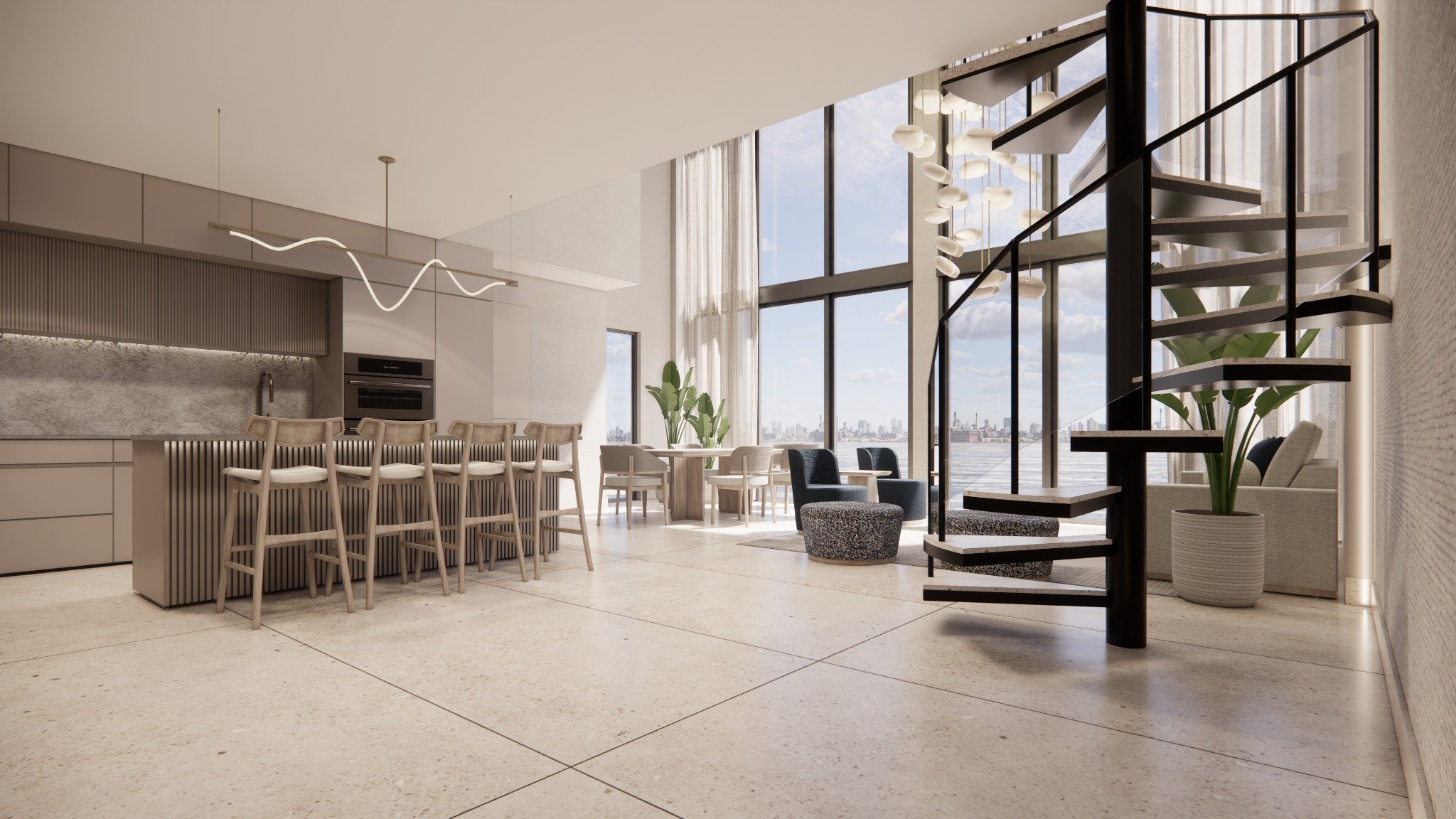
A multi-generational residence is more than a large condominium. It must accommodate changing family patterns: grandparents visiting for a season, adult children returning with partners, young families extending their stays, or several branches sharing a South Florida base. The right choice balances togetherness with separation while remaining manageable when occupancy returns to one or two people.
North Bay Village lends itself to this conversation, offering buyers a focused collection of contemporary ownership propositions in a waterfront setting. Yet the right decision depends less on choosing the newest presentation than on testing how a residence will function over ten or twenty years.
For 2026 buyers, Continuum Club & Residences North Bay Village, Shoma Bay North Bay Village and Tula Residences North Bay Village provide three natural starting points. Each warrants examination through the same disciplined lens: privacy, adaptable rooms, ease of arrival, household operations and ownership continuity.
1. Continuum Club & Residences North Bay Village - complete family-base potential
This address leads the ranking for buyers seeking a primary family platform rather than an occasional pied-à-terre. Its suitability rests on how comfortably a chosen residence can accommodate overlapping visits, private routines and shared entertaining without making any generation feel temporary.
The decisive questions concern bedroom separation, circulation and storage. Buyers should also determine whether building services and shared spaces complement, rather than substitute for, a well-planned private home.
2. Pagani North Bay Village - design-led legacy proposition
Pagani North Bay Village belongs on the shortlist for families that view architecture and identity as part of the asset’s inheritance value. A recognizable design proposition can be compelling, but long-horizon owners should prioritize livability, privacy and durable planning over visual impact alone.
The strongest fit will be a residence whose interior can evolve as children become adults, parents require greater support and hosting patterns change.
3. Shoma Bay North Bay Village - flexible urban-family candidate
Shoma Bay North Bay Village merits consideration by households seeking a contemporary base that can serve more than one generation without becoming overly formal. The task is to identify a layout in which shared living areas feel generous while bedrooms retain genuine retreat value.
Operational convenience also matters. Families should consider groceries, deliveries, vehicles, staff access and guest arrivals during quiet weeks and full-house holidays alike.
4. Tula Residences North Bay Village - intimate ownership alternative
Tula Residences North Bay Village offers a useful counterpoint for buyers drawn to a more intimate residential proposition. In a multi-generational context, intimacy can support discretion, although the residence itself must still provide sufficient acoustic and spatial separation.
Review the plan as a sequence of daily moments: early breakfast, remote work, children’s downtime, formal dining and late-night arrivals. A successful home allows these activities to coexist with ease.
5. A private North Bay Village waterfront resale - immediate-use strategy
A carefully selected resale may suit a family unwilling to wait for a future home or committed to understanding an established building before purchasing. The priority is the individual residence: its condition, layout logic, exposure and capacity for sensitive adaptation.
Resale buyers should weigh renovation complexity against immediate usability. A less fashionable interior with sound proportions may provide a stronger family foundation than a visually polished home with rigid circulation.
Scale helps, but zoning matters more. A credible family plan includes a gracious communal center and private sleeping areas that do not depend on everyone keeping the same schedule. Secondary bedrooms should feel permanent rather than like overflow spaces. Flexible rooms are most valuable when they can change purpose without extensive construction.
Privacy also extends beyond the floor plan. Elevator arrival, entry sequence, service access and household staff circulation can determine whether a residence feels composed during busy periods. Buyers considering new construction should request the documents and plans required to understand these relationships before relying on renderings.
A nearby comparison can sharpen judgment. The Well Bay Harbor Islands may help buyers contrast another island-oriented residential proposition with the North Bay Village shortlist. The objective is not to chase amenity counts, but to identify the environment that best supports the family’s actual rhythm.
The residence and ownership plan should be designed together. Families benefit from discussing who may occupy the home, how expenses will be allocated, who approves improvements and what happens if one branch wants to exit. Legal, tax and estate professionals should shape the final structure for each household.
Building rules demand equally careful review. Leasing permissions, guest procedures, pet policies, renovation protocols, vehicle arrangements and approval processes can all affect future flexibility. Though practical, these matters determine whether the home remains useful as the family evolves.
Insurance, reserves and recurring costs should be modeled under several occupancy scenarios. A residence that feels effortless at purchase can become burdensome if its ongoing obligations do not align with the family’s stewardship plan.
Begin with a written occupancy map covering ordinary weeks, holidays and periods of extended care. Then compare candidate floor plans room by room. Confirm where each generation sleeps, works, gathers and withdraws. Consider mobility needs before they become urgent, including arrival routes, thresholds and bathroom adaptability.
Next, separate lifestyle preferences from enduring requirements. Finishes can change; proportion, orientation, access and structural planning are harder to correct. Finally, commission independent legal, financial and technical reviews before committing. Multi-generational ownership succeeds when the emotional vision is supported by disciplined documentation.
What makes a residence suitable for multi-generational ownership? It should combine generous shared areas with private bedroom zones, adaptable rooms and manageable long-term operating demands.
Is a larger residence automatically the better choice? No. Efficient circulation, acoustic separation and balanced bedroom placement can matter more than total area.
Should buyers favor pre-construction or resale? The answer depends on timing, customization goals, risk tolerance and the family’s need for immediate use.
How important are building amenities? Amenities matter when they support real routines across age groups, but they should not compensate for a weak private floor plan.
What documents deserve early review? Buyers should review governing documents, budgets, rules, disclosures, contracts and relevant technical materials with qualified advisers.
Can one residence serve both seasonal and primary use? Yes, provided storage, household management and recurring costs remain practical under different occupancy patterns.
Why does bedroom separation matter? It allows generations with different schedules to preserve privacy and reduces friction during extended stays.
Should mobility planning influence a purchase today? Yes. Accessible arrival, sensible thresholds and adaptable bathrooms can extend the residence’s usefulness.
How should families approach shared ownership costs? They should establish a clear framework for routine expenses, capital work, reserves and unexpected obligations.
What is the most important final test? Imagine the home during a fully occupied holiday and during a quiet month with one resident, then confirm that it works equally well in both conditions.
To compare the best-fit options with clarity, connect with MILLION.
If branded residences are on your mind — as a home or as an allocation — we would be glad to share what we are seeing, privately.
Begin a quiet conversation
.jpg&width=700&height=438&fit=cover)