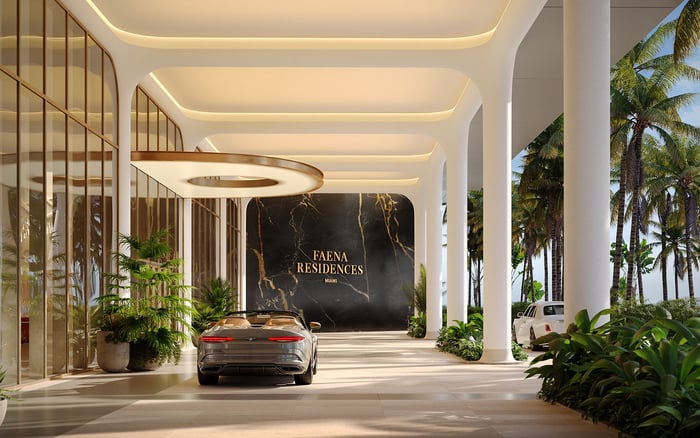
Frequent hosts considering Frida Kahlo Wynwood Residences should evaluate private layout, guest procedures, amenity access and event restrictions as separate issues. Written condominium and transaction documents should guide the final decision.

For an owner who entertains regularly, evaluating Frida Kahlo Wynwood Residences requires more than deciding whether the property feels social. The more useful question is whether the selected residence and the building’s governing framework fit the owner’s actual hosting habits.
A buyer should begin with the likely format of a typical gathering. An intimate dinner, an overnight visit and a catered reception place different demands on circulation, seating, privacy and building access. Reviewing the floor plan through that practical lens can reveal whether the living area supports the intended experience without disrupting private rooms or common pathways.
A residence can feel generous for entertaining without carrying unrestricted event rights.
Square footage and furniture placement help determine comfort, but they do not establish how many guests may enter or what activities are allowed. Those questions may be addressed through condominium documents, management procedures and applicable requirements.
Frequent hosts should therefore avoid assigning an assumed guest capacity based only on photographs or plans. Entry procedures, visitor registration, elevator access, delivery protocols, noise controls and life-safety requirements can all affect how a gathering works in practice.
The distinction matters even for modest occasions. A home may function beautifully for a seated meal while still being subject to limits on late arrivals, amplified sound or vendor access. Buyers should identify the type, frequency and timing of their gatherings before comparing those needs with the written rules.
A pool, lounge or bar area should not automatically be treated as an extension of the private residence. Shared spaces can have separate hours, guest procedures and reservation systems, and access may not include exclusive use.
Buyers who expect to entertain outside their residence should ask whether an amenity can be reserved, whether nonresident guests are permitted and whether deposits or insurance documentation apply. They should also confirm procedures for caterers, bartenders, deliveries, cleanup and music.
These questions are best resolved in writing. A verbal description of a social lifestyle does not replace the specific operating terms that will govern owners, tenants, guests and vendors.
If rental use is important to the purchase, it should be reviewed independently from private entertaining. Permission for an occupant to stay in a residence does not necessarily authorize a party, commercial gathering or exclusive use of an amenity.
The buyer should confirm any rental procedures, owner responsibilities and guest obligations in the relevant transaction and condominium documents. Event-related questions should then be addressed separately, including whether tenant conduct or guest violations can create responsibility for the owner.
This separation is particularly important for buyers who plan to combine personal use with income-producing occupancy. Underwriting should reflect the documented residential use rather than an assumption that rental activity includes broad entertainment rights.
A practical approach may be to keep gatherings inside the residence intimate and use an appropriate off-site venue for the larger portion of an evening. That structure can help preserve privacy while reducing the pressure on shared residential spaces.
Buyers comparing design-led South Florida residences can also review Miami Tropic Residences, Kempinski Residences Miami Design District and EDITION Edgewater. These are comparison points rather than substitutes for project-specific diligence, because each property may operate under different documents and procedures.
A distinctive brand or design concept can shape a property’s atmosphere, but it does not establish guest limits or event access. Buyers should separate the emotional appeal of the setting from the practical rules governing daily use.
For a frequent host, that means testing several realistic scenarios. One might involve a quiet dinner with friends, another an overnight visitor and another a gathering involving outside vendors. The buyer can then ask how each scenario would be handled under the property’s written framework.
This exercise also helps distinguish preferences from requirements. A generous dining area may be essential, while exclusive lounge access may simply be desirable. Ranking those priorities makes it easier to decide whether the residence remains compelling if a particular amenity cannot be privately reserved.
Before committing, buyers should request the available declaration, bylaws, rules and regulations, purchase documents and any applicable rental materials. Because documents can change during a transaction, the versions delivered for review should control the analysis.
The review should address guest registration, access hours, noise, amenity reservations, deposits, insurance, catering, alcohol service, deliveries, elevator protection, cleanup and commercial-use restrictions. Buyers should also ask how rule changes are adopted and how violations involving occupants or guests are handled.
Legal and insurance advisers can help interpret obligations that affect a specific purchase or hosting plan. The goal is not to secure informal reassurance, but to understand what the documents permit and what responsibilities remain with the owner.
Ultimately, the right residence is one that accommodates the gatherings an owner will actually hold within rules the owner is prepared to follow. For tailored guidance on evaluating South Florida residences through that lens, connect with MILLION.
If branded residences are on your mind — as a home or as an allocation — we would be glad to share what we are seeing, privately.
Begin a quiet conversationA floor plan helps assess comfort, but written rules may govern guests, noise, vendors and access. Both practical layout and permitted use matter.
No. Physical space does not establish an official guest limit or event permission.
No. Reservation rights, guest access and exclusive use should be verified in the applicable documents and procedures.
Ask about reservations, hours, guest procedures, deposits, insurance, vendors, cleanup and music restrictions.
Not necessarily. Rental use and event use are separate matters that should be reviewed independently.
Buyers can consider an intimate dinner, an overnight guest and a vendor-supported gathering. Each scenario may raise different access and operating questions.
They can affect vendor entry, elevator use, setup and cleanup. Frequent hosts should confirm these procedures before relying on outside services.
The declaration, bylaws, rules and regulations, purchase documents and any applicable rental materials are key starting points.
No. Buyers should verify important hosting permissions and restrictions in the documents delivered for their transaction.
Use the same checklist for private layout, guest access, amenity reservations, noise and vendor procedures. Evaluate each property under its own governing framework.