A buyer-focused ranking of five Miami Beach residences for lock-and-leave living, with guidance on cash closing costs, association approvals, and entity-title preparation.
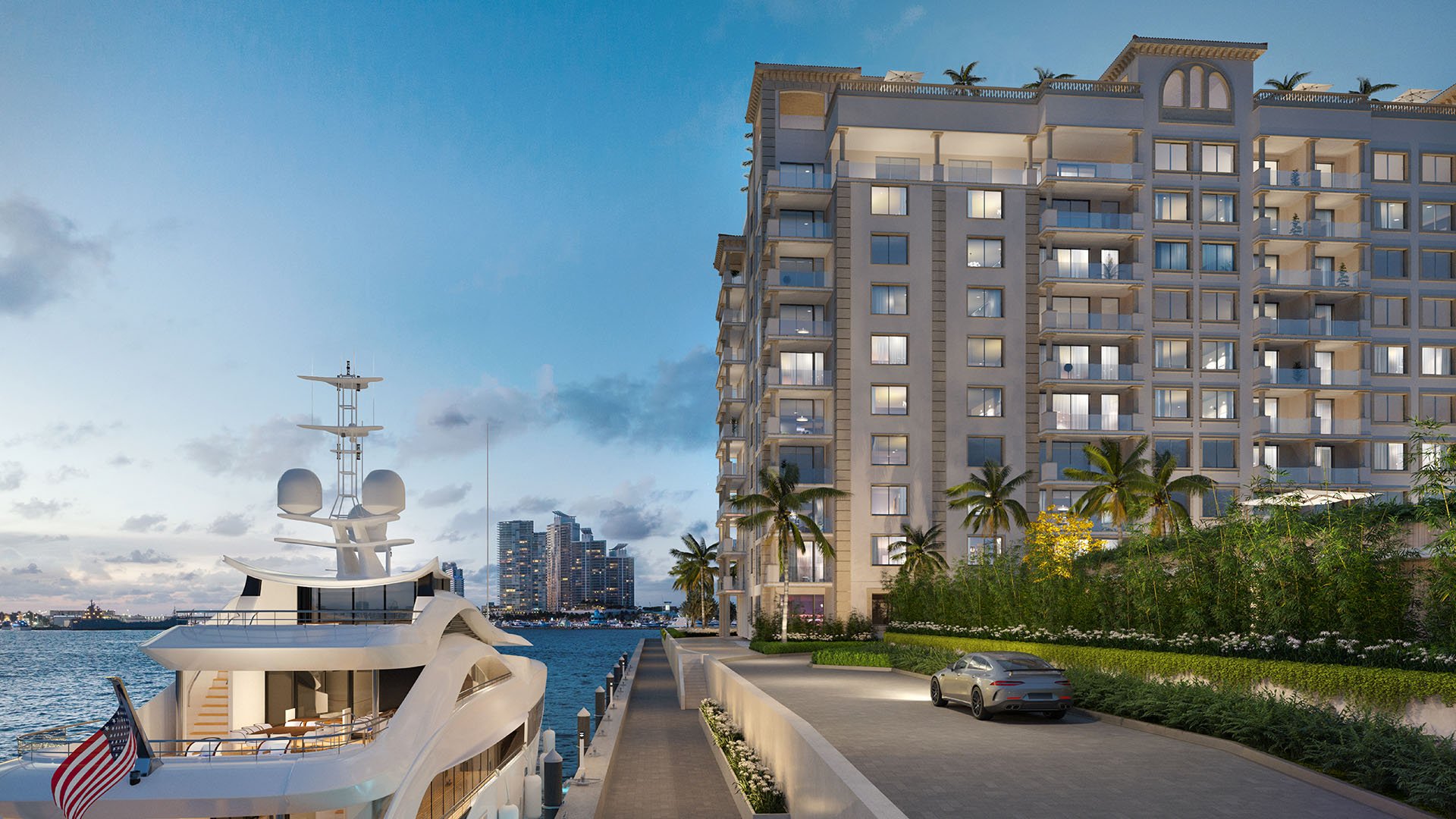
For buyers who divide their time among cities, the appeal of Miami Beach extends beyond architecture and water views. A true lock-and-leave residence is supported by the operational framework that makes an extended absence feel routine: 24/7 staffing, concierge service, controlled access, and security. These qualities are especially relevant to snowbirds and second-home owners who prefer fewer day-to-day property-management demands.
Cash can simplify one part of the acquisition. It removes lender underwriting and may make an LLC purchase more practical, as lenders can require personal guarantees when financing an entity-held property. Yet cash does not bypass title work, condominium review, documentation, or building-specific conditions. The most elegant purchase is not merely fast. It is prepared.
Cash creates optionality, but preparation determines whether that optionality survives closing.
The following ranking considers lock-and-leave suitability alongside the practical importance of association timing and entity documentation. It does not confirm that a particular residence currently offered for sale may be titled in an LLC, trust, corporation, or other entity.
1. The Perigon Miami Beach, North Mid-Beach oceanfront
The Perigon ranks first for its planned, second-home-oriented residential model and alignment with the staffing, concierge, and security standards expected of full-service ownership. Its North Mid-Beach oceanfront position also places it squarely within the discreet, service-led lifestyle sought by buyers who expect to arrive and depart without adding another layer of household oversight.
For a cash buyer, the decisive transaction question remains distinct from the lifestyle proposition: the current condominium documents and application package must be reviewed before an entity is named in an offer. Planned service does not, by itself, establish entity eligibility.
2. Faena House, 3201 Collins Avenue
Faena House takes second place for its prestige, constant staffing, concierge-driven operations, controlled access, and suitability for owners who travel frequently. In practical terms, these elements support continuity during long absences and reduce the number of routine matters an owner must manage directly.
Prospective entity purchasers should still treat association review as an independent workstream. The authorized signer, entity records, and intended ownership form should be settled early enough to align the contract, title work, and application.
3. Continuum on South Beach, South of Fifth
Continuum ranks third for its established luxury operations in South of Fifth and relevance to buyers navigating Miami Beach association procedures. Condominium approvals in the market may require written approval before closing or permit approval after closing within a specified period. That distinction can materially influence the workable closing date.
Cash may eliminate a financing contingency, but it does not override the association calendar. A buyer should obtain the applicable declaration, bylaws, application, approval timetable, and entity requirements before signing.
4. 57 Ocean, 5775 Collins Avenue
57 Ocean places fourth as a boutique oceanfront choice for buyers who prioritize the familiar lock-and-leave combination of 24/7 staff, concierge support, and security. Its North Mid-Beach setting broadens the ranking beyond larger or more established service environments while retaining an oceanfront identity.
Its boutique character should not be read as shorthand for a simpler approval process. The current governing documents determine whether an entity is permitted and which supporting records must accompany the application.
5. The Ritz-Carlton Residences, Miami Beach, 4701 Meridian Avenue
The Ritz-Carlton Residences ranks fifth for branded residential services, around-the-clock staffing, and convenience for absentee owners. Unlike the oceanfront entries above, it is positioned on a lake or canal-a meaningful distinction for buyers whose definition of waterfront living requires a particular outlook or direct relationship to the Atlantic.
Its branded service proposition strengthens the lock-and-leave case, but branded residences remain subject to their own condominium documents and approval practices. Buyers should verify title eligibility rather than infer it from the hospitality name.
The spectrum is instructive. The Perigon Miami Beach presents a planned model oriented toward second-home use, while Faena House Miami Beach represents an established, prestige-led environment for frequent travelers. Farther south, Continuum on South Beach brings the operational maturity of South of Fifth into focus. Buyers drawn to a more intimate oceanfront profile can consider 57 Ocean Miami Beach.
These links offer a starting point for comparing residential character, not a substitute for transactional diligence. Availability, approval mechanics, and permitted ownership structures must be confirmed for the contemplated unit and buyer. This is fundamentally a buyer’s-guide question as much as a lifestyle decision: service determines how the home performs while the owner is away, while documents determine whether the intended acquisition can proceed as structured.
Closing-cost estimates should be treated as planning ranges, not quotes. Across Miami luxury property, a cash buyer may budget approximately 0.5% to 2% of the purchase price. For a cash resale condominium specifically, a typical buyer range is approximately 1% to 1.5%. Major expenses can include title insurance, recording fees, prorations, and association-specific charges. By comparison, financed luxury purchases may carry costs of roughly 1.5% to 4%.
The ownership decision should precede the offer. Individual title, an LLC, a trust, or another structure can affect the contract, association application, title work, signatures, and tax planning. Changing the intended owner late in the process can introduce avoidable friction. Entity applicants may be asked for articles of organization or incorporation, an operating agreement, authorized-signer information, and additional association documents.
Critically, entity ownership cannot be assumed. Condominium governing documents can prohibit purchases by corporations, companies, partnerships, or trusts. Legal review should address both whether the proposed entity is eligible and whether the documents impose conditions on approval.
An international buyer should engage a U.S. real-estate attorney and an international tax adviser before closing. A U.S. bank account should be established before submitting an offer, and an ITIN application should begin approximately 10 to 12 weeks before the target closing. These steps help coordinate funds, documentation, title selection, and tax advice before contractual deadlines begin to compress.
The best closing date is not necessarily the earliest available. It is the date that accommodates title work, association review, entity records, funds, and signatures without sacrificing leverage or certainty. Buyers should confirm in writing whether approval must arrive before closing or may follow within a defined period.
For discreet guidance on Miami Beach acquisitions, connect with MILLION.
If branded residences are on your mind — as a home or as an allocation — we would be glad to share what we are seeing, privately.
Begin a quiet conversationIt typically combines 24/7 staffing, concierge service, controlled access, and security for owners who are frequently away.
It leads for its planned, second-home-oriented model and alignment with full-service staffing, concierge, and security expectations.
No. Cash removes lender underwriting, but association review, title work, documentation, and building-specific conditions still apply.
No. Governing documents can prohibit ownership by companies, corporations, partnerships, trusts, or other entities.
The buyer should select individual, LLC, trust, or other ownership before making an offer rather than changing title late.
An association may request formation documents, an operating agreement, authorized-signer details, and other application materials.
A broad Miami luxury planning range is approximately 0.5% to 2% of the purchase price, while cash condo resales commonly range from 1% to 1.5%.
They can include title insurance, recording fees, prorations, and association-specific charges.
Some associations require written approval before closing, while others may permit approval afterward within a specified period.
The buyer should establish a U.S. bank account, seek legal and international tax advice, and apply for an ITIN about 10 to 12 weeks before the target closing.