A discreet buyer’s guide to the five family security features that matter most in South Florida luxury residences, from controlled arrival to household protocols.
In South Florida’s most coveted residential corridors, family security is no longer a discreet afterthought. It is part of the architecture of comfort, shaping how a household arrives, sleeps, travels, entertains, and protects everyday privacy. The strongest residences do not announce security. They make it feel natural, calm, and quietly embedded.
The title, from 321 Ocean Drive to 1 Waterplace Fort Lauderdale, frames a broader buyer question: what should a family actually look for when evaluating security in a luxury residence? The answer is not a single gadget, guard desk, or dramatic gate. It is a layered environment where controlled access, private circulation, resilient design, and household habits work together.
For ultra-premium buyers, the best security features preserve ease. Children can return from school without confusion. Staff can be managed without overexposure. Guests can be welcomed without sacrificing privacy. A second-home owner can leave for weeks knowing the residence remains watched, maintained, and ready.
In the language of South Florida search, this conversation often overlaps with Fort Lauderdale, Miami Beach, oceanfront, waterview, gated-community, and new-construction preferences. Those labels point to different lifestyles, but the family objective remains consistent: controlled movement, fewer blind spots, stronger resilience, and less friction.
1. Controlled access - arrival sequence
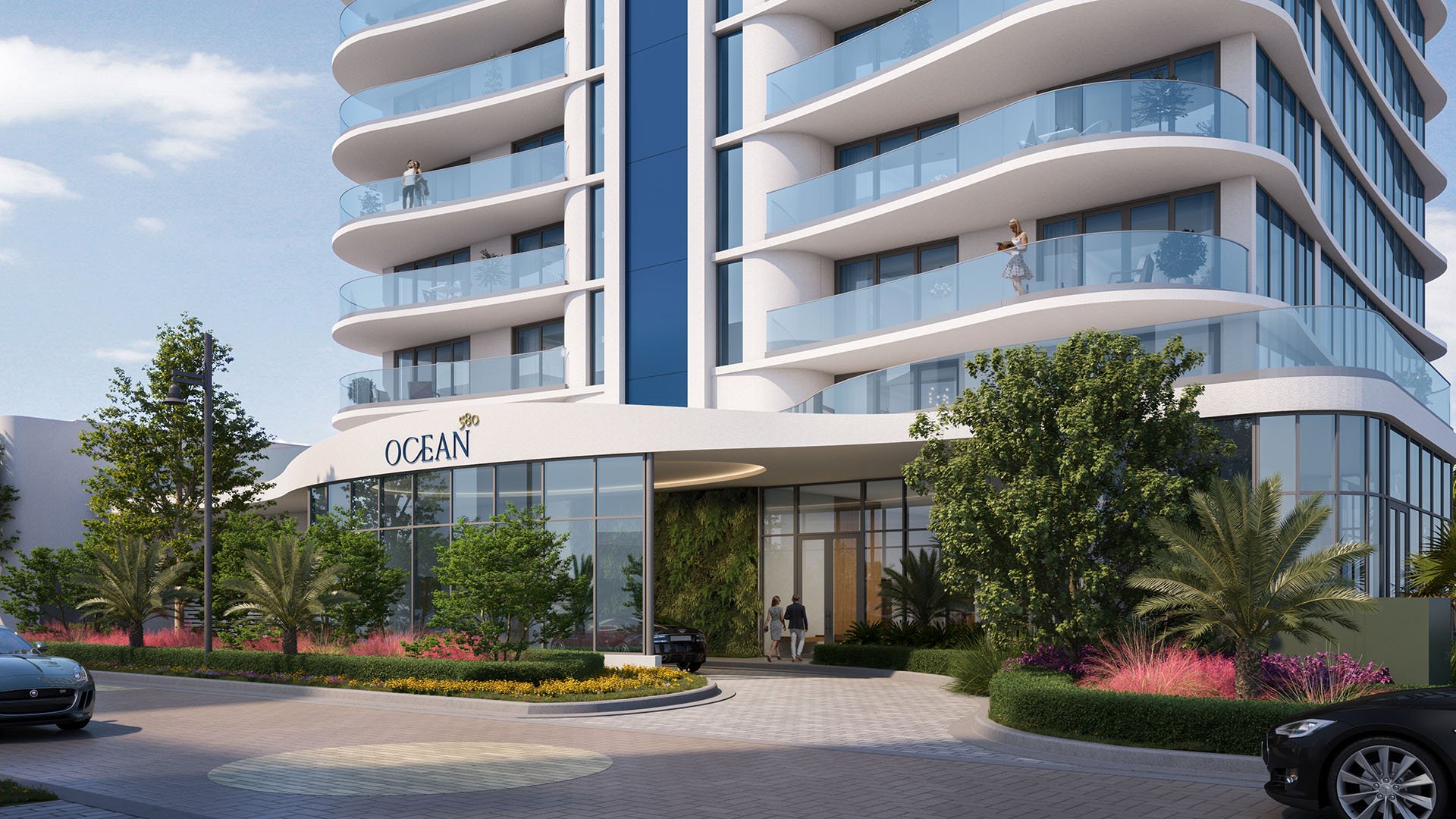
The first security feature is not the front door. It is the complete arrival sequence, from street approach to garage, porte cochere, lobby, elevator, corridor, and residence entry. For families, each threshold should feel intentional, supervised, and easy to understand.
A well-designed arrival sequence reduces ambiguity. Residents, guests, service providers, delivery personnel, and drivers should not move through the same path without distinction. In a family residence, clarity matters as much as exclusivity because routine is the foundation of safety.
2. Private circulation - elevator and corridor control
Private or semi-private circulation is one of the most meaningful security advantages in high-end residential living. The fewer shared transitions between public space and home, the less exposure a family accepts during ordinary daily movement.
Buyers should focus on how elevators are accessed, how floors are controlled, and how corridors feel once the doors open. Security is strongest when residents do not need to rely on constant vigilance. The building should already be guiding people to the right places and away from the wrong ones.
3. Resilient envelope - weather-aware protection
In South Florida, family security also includes protection from weather. A residence may feel private and refined, but the conversation is incomplete if it does not address exposure, glazing, water management, backup systems, and how a building performs during severe conditions.
For waterfront and coastal buyers, peace of mind is tied to continuity. The family wants a home that remains livable, legible, and controlled when conditions become difficult. Resilience is not separate from security. It is one of its most important expressions.
4. Managed service access - privacy for daily operations
Luxury households rely on people: house managers, nannies, cleaners, chefs, drivers, maintenance teams, and delivery services. A secure residence makes their movement efficient without making the family’s private spaces feel porous.
The key is separation. Service access, package handling, visitor authorization, and staff routines should be designed so the household does not improvise every day. Families with children benefit especially from predictable procedures, because the home remains welcoming without becoming casual about access.
5. Integrated monitoring - technology plus protocol
Cameras, smart locks, alarms, access credentials, and remote monitoring can be valuable, but technology is only part of the answer. The strongest family security comes when systems are paired with clear household rules.
Who can approve a guest? How are vendors admitted? What happens when a child forgets a credential? How is the home checked when the family is away? A beautiful residence becomes more secure when the people using it know exactly how security works.
A security-focused tour should be calm, not theatrical. Buyers should arrive as a family would on an ordinary weekday. Notice whether the approach feels supervised. Watch how visitors are greeted. Ask how residents, guests, staff, deliveries, and rideshare vehicles are distinguished.
Inside the building, the questions become more personal. How many transitions are required before reaching the residence? Are children likely to pass through crowded shared areas? Is there a clear place for packages? Does the elevator experience feel controlled? Are corridors quiet and legible?
Within the residence itself, look for privacy from neighboring sightlines, confidence at entry points, and smart placement of primary bedrooms. A family home should not feel like a showroom that happens to contain bedrooms. It should have an internal logic that supports both togetherness and retreat.
For second-home buyers, the tour should also include the away-from-home scenario. A residence must be easy to monitor, easy to maintain, and easy to return to. The most desirable homes make absence feel manageable.
Waterfront living is one of South Florida’s great privileges, but it changes the security conversation. The beauty of open water, terraces, docks, and expansive glass must be balanced with controlled access and practical resilience. Families are not only buying a view. They are buying a daily relationship with exposure.
That does not mean the home should feel defensive. The best waterfront residences create openness while keeping circulation disciplined. Arrival can be gracious. Views can be uninterrupted. Outdoor living can feel generous. But the invisible systems behind that lifestyle need to be serious.
Parents often think about these details in small moments. A child stepping onto a terrace. A guest arriving while the household is at dinner. A vendor needing access while the family is away. A storm changing travel plans. Security is not a single event. It is the choreography of ordinary life.
At the highest end of the market, family security is judged by how little it disrupts daily living. The residence should not feel like a checkpoint. It should feel composed. Staff should know where to go. Guests should feel welcomed. Children should feel at home. Owners should feel protected without being reminded of the machinery behind that protection.
This is why buyers increasingly evaluate residences as systems rather than collections of amenities. A pool, lobby, garage, elevator, terrace, and entry foyer all matter, but they matter most in relation to one another. Security lives in the seams between these spaces.
For a South Florida family, the ideal residence provides four forms of confidence: privacy, control, resilience, and ease. Privacy protects the family’s rhythms. Control manages access. Resilience addresses climate and continuity. Ease ensures the home remains pleasurable rather than burdensome.
The best family security features are not the loudest features. They are the ones that reduce decision fatigue, limit unnecessary exposure, and make every resident feel oriented. From coastal Miami Beach living to Fort Lauderdale waterfront addresses, the principle is the same: a secure luxury home should protect without performing.
When evaluating a residence, ask less about a single device and more about the total experience. Where does the family arrive? Who can follow? How are guests handled? What happens when the household is away? How does the home respond to weather? The answers reveal far more than a list of amenities.
What is the most important family security feature in a luxury residence? Controlled access is usually the foundation because it shapes every movement from arrival to the front door.
Do private elevators improve family security? They can, especially when paired with credentialed access and clear guest management procedures.
Is waterfront living harder to secure? It requires more thoughtful planning because openness, views, outdoor areas, and weather exposure must be balanced.
Should buyers prioritize technology or staffing? Neither should stand alone. The strongest approach combines reliable systems, trained personnel, and household protocols.
How does weather resilience relate to security? In South Florida, a secure home should also help preserve safety, continuity, and control during severe conditions.
What should families observe during a private tour? Watch the arrival path, lobby control, elevator access, service movement, package handling, and corridor privacy.
Are gated communities always more secure? A gate can help, but the full security picture depends on access rules, staffing, circulation, and daily procedures.
How can second-home owners evaluate security? They should focus on remote monitoring, maintenance access, vendor control, and how the residence performs while vacant.
Do children change the security priorities? Yes. Families need intuitive routines, safe transitions, terrace awareness, and simple rules that children can understand.
What is the luxury standard for family security? The highest standard is protection that feels seamless, discreet, and fully integrated into daily residential life.
If you'd like a private walkthrough and a curated shortlist, connect with MILLION.
If branded residences are on your mind — as a home or as an allocation — we would be glad to share what we are seeing, privately.
Begin a quiet conversation