A privacy-first editorial shortlist of five Brickell new-construction residences, with a practical framework for evaluating arrival, circulation, exposure and day-to-day discretion.
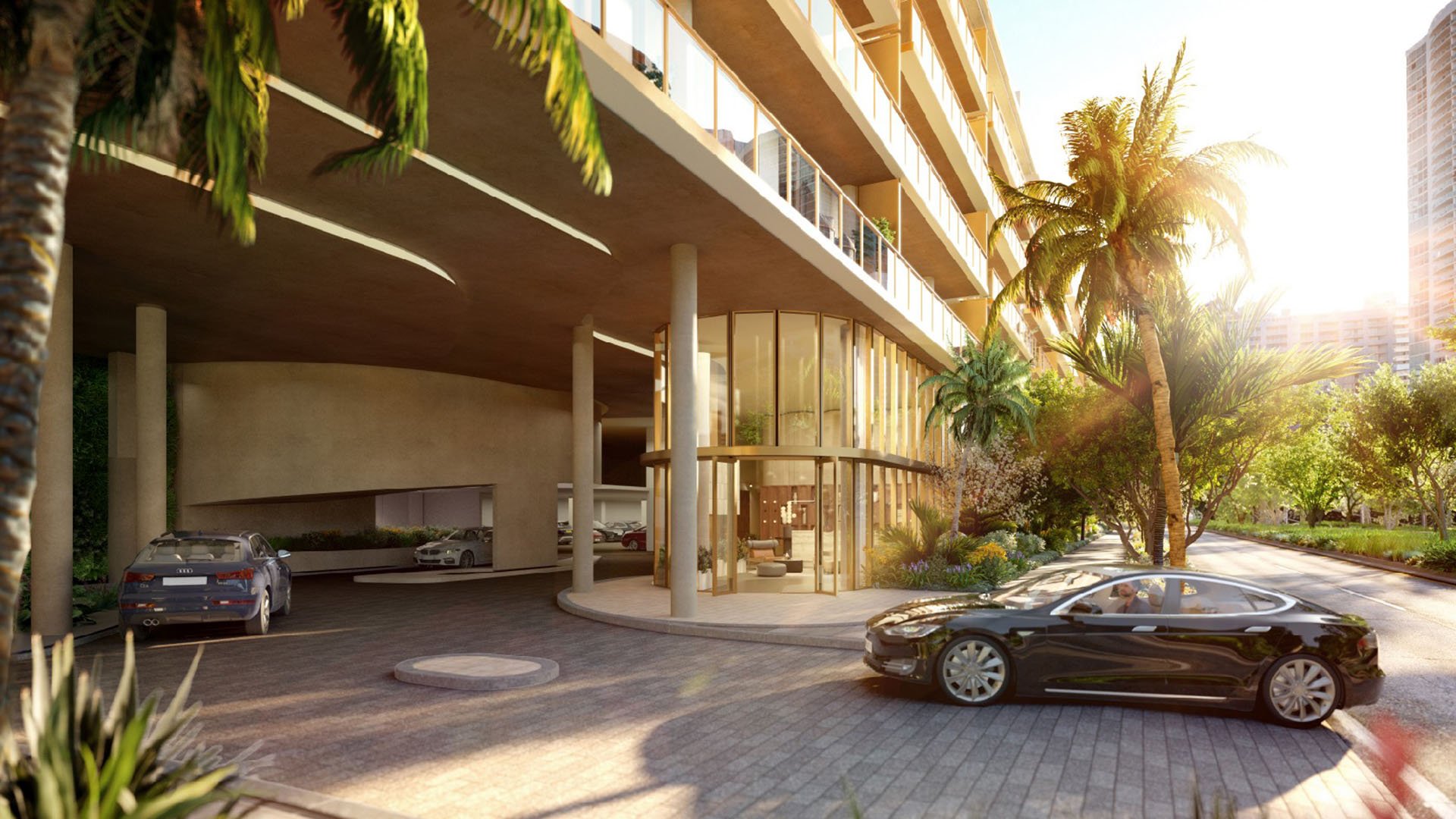
In Brickell, an impressive amenity program can command immediate attention. Yet for buyers who value discretion, the more consequential questions concern the quieter architecture of daily life: how one arrives, who shares the journey home, what can be seen from adjoining spaces, and whether service activity intersects with private routines.
Privacy is not a single feature. It is a sequence that extends from the street to the residence entry, through the interior plan, and out to the terrace. A compelling purchase should preserve that sequence during ordinary hours, busy periods, and times when guests or household staff are present.
This MILLION Buyer's Guides perspective considers Brickell through that lens. It is especially relevant to new-construction and pre-construction buyers, including those comparing high floors or planning a second-home purchase. The ranking is a focused shortlist for deeper review, not a substitute for plans, contractual documents, and an in-person circulation test.
1. 2200 Brickell: a privacy-led starting point
2200 Brickell belongs at the start of a discreet buyer's comparison because it allows the conversation to begin with the residential experience rather than an amenity checklist. Buyers should request the complete path from arrival to front door and identify every shared threshold along the way.
The decisive review should encompass entry sightlines, elevator usage, corridor exposure, and the relationship between entertaining areas and bedroom zones. These details determine whether privacy is consistently felt rather than abstractly promised.
2. Colette Residences Brickell: a focused alternative
Colette Residences Brickell merits close consideration by purchasers who want the residence itself to remain central to the decision. The appropriate test is practical: map a typical day involving residents, visitors, deliveries, and service personnel.
Plans should then be assessed for separation. A buyer can examine whether guests encounter private rooms, whether the entry reveals the principal living space, and whether neighboring terraces or windows could compromise visual discretion.
3. The Residences at 1428 Brickell: a vertical-living candidate
The Residences at 1428 Brickell is another relevant candidate for a privacy-first Brickell tour. In a vertical residential setting, the buyer's diligence should extend beyond the unit to elevator logic, waiting areas, shared circulation, and access procedures.
Within a preferred plan, attention should turn to bedroom placement, powder-room access, kitchen visibility, and transitions to outdoor space. The strongest layout supports both formal entertaining and a protected private routine.
4. Cipriani Residences Brickell: hospitality identity under review
Cipriani Residences Brickell should be assessed by distinguishing service from spectacle. A buyer prioritizing privacy will want to understand how guests are received, how staff movements are managed, and where residential circulation remains separate from other activity.
The useful question is not how many services exist, but whether they can be delivered without unnecessary friction or exposure. Written documents should govern the conclusion, particularly where access, operations, or use policies matter.
5. St. Regis® Residences Brickell: discretion as a service test
St. Regis® Residences Brickell completes the shortlist as a project to examine through the relationship between branded service and residential discretion. Buyers should test whether the operating framework supports recognition without intrusion and assistance without excessive handoffs.
The residence plan is equally important. Entry sequence, acoustic separation, guest routing, and the boundary between social and sleeping spaces deserve more weight than presentation-room impressions.
The five candidates become more useful when evaluated with one repeatable script. Begin by exploring 2200 Brickell and Colette Residences Brickell through the same arrival exercise: approach as a resident, pause at each controlled threshold, and note where identity, destination, or waiting residents may become visible.
Next, review The Residences at 1428 Brickell with a plan in hand. Trace three distinct routes for a family member, a dinner guest, and a service provider. This simple exercise can reveal whether circulation protects bedrooms, studies, and informal living areas.
For service-oriented comparisons, consider Cipriani Residences Brickell alongside St. Regis® Residences Brickell. Ask identical questions about visitor authorization, deliveries, staff access, and after-hours procedures. The objective is not to reward the longest service menu, but to identify the clearest, least intrusive operating sequence.
Start with access. Confirm how residents, guests, vendors, and household employees enter, then determine whether procedures are documented or merely described. Ask what happens when several parties arrive simultaneously and whether any exceptions could weaken the intended separation.
Next, study the floor plan as an instrument of discretion. Favor legible transitions between public, family, and sleeping areas. Note direct views from the entry, the proximity of secondary bedrooms to entertaining spaces, and whether terrace geometry creates exposure to nearby residences.
Acoustics warrant a separate review. Marketing language cannot replace specifications, plans, and professional advice. Mechanical spaces, elevator adjacency, shared walls, and doors can influence quiet enjoyment, so purchasers should have qualified advisers evaluate the relevant documents.
Finally, examine governance. Leasing rules, guest policies, access credentials, construction procedures, and future operational changes may shape privacy long after closing. Material representations should appear in controlling documents before influencing a purchase decision.
A privacy-first buyer need not reject amenities. The better approach is to ask whether each amenity strengthens residential life without creating avoidable traffic, noise, or visibility. A beautiful shared setting holds greater value when reaching it does not compromise the calm of returning home.
The final choice should balance three layers: the building's access logic, the residence's spatial planning, and the operating rules that connect them. When all three align, privacy becomes less about retreat and more about effortless control.
What does privacy-first buying mean in Brickell? It means evaluating arrival, access, circulation, sightlines, and operations before comparing recreational features.
Is a higher floor automatically more private? No. Elevation may change views and exposure, but access patterns, neighboring sightlines, and the plan still matter.
Should buyers prioritize private elevators? Elevator configuration can be relevant, but buyers should verify access control, waiting areas, and service circulation in project documents.
How can a floor plan reveal privacy weaknesses? Trace views and movement from the entry toward living rooms, terraces, bedrooms, kitchens, and service areas.
Why do guest procedures matter? They determine how visitors are identified, authorized, received, and directed through the property.
Can amenities reduce residential privacy? They can affect traffic and circulation, so buyers should examine their location and relationship to residential routes.
What should a second-home buyer examine? Review remote access, guest authorization, vendor entry, and the procedures used while the residence is unoccupied.
Are branded residences inherently more discreet? A brand alone does not establish privacy; the relevant test is how design, staffing, and written operating rules work together.
When should legal review occur? It should occur before contractual deadlines, with attention to access, use, leasing, guest, and operational provisions.
What is the best way to compare these five projects? Apply the same arrival, circulation, floor-plan, and document checklist to every candidate before weighing amenities.
When you're ready to tour or underwrite the options, connect with MILLION.
If branded residences are on your mind — as a home or as an allocation — we would be glad to share what we are seeing, privately.
Begin a quiet conversation